

Thermoset plastics are a unique category of polymers that solidify into a permanent shape when heated. Unlike thermoplastics, which can be melted and reshaped multiple times, thermosets are characterized by their irreversible curing process. This property makes them ideal for high-heat applications and for products requiring durability and strength. In the context of plastic injection molding, thermosets play a significant role due to their unique characteristics.
Plastic injection molding is a manufacturing process widely used to produce parts from thermosetting and thermoplastic materials. The process involves injecting molten plastic material into a mold, where it cools and solidifies into the shape of the mold. The use of thermoset plastics in this process offers several advantages, including high dimensional stability, good electrical insulation properties, and resistance to high temperatures and corrosive substances.
Understanding Thermoset Plastics
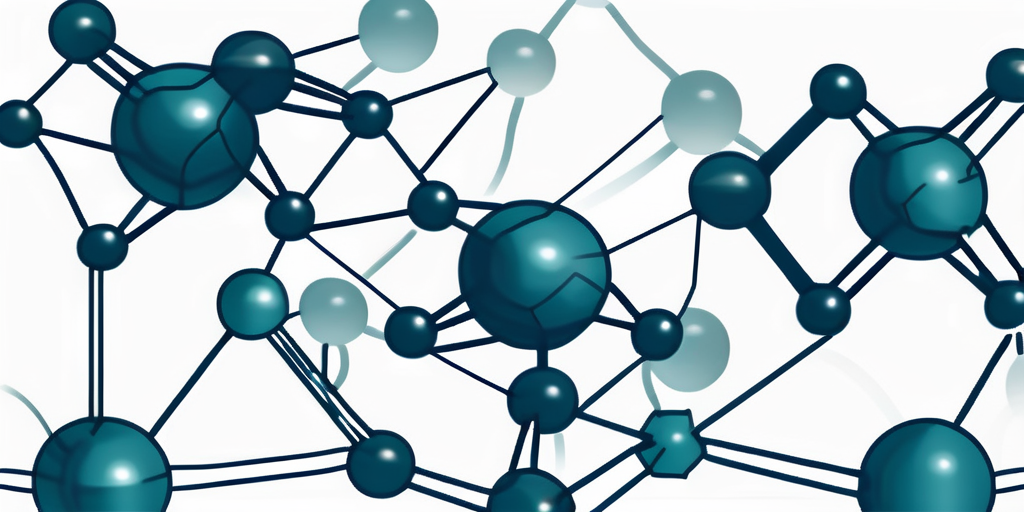
Thermoset plastics are polymers that undergo a chemical reaction when heated, leading to a three-dimensional network of bonded molecules. This process, known as curing or vulcanization, results in a material that cannot be remelted or reshaped. The curing process can be initiated by heat, radiation, or chemical additives, and once it has taken place, it is irreversible.
Thermoset plastics offer several advantages over thermoplastics. They have superior mechanical properties, excellent dimensional stability, and high resistance to heat, chemicals, and electrical currents. These properties make them ideal for use in a wide range of applications, including automotive parts, electrical insulation, and high-strength structural components.
Types of Thermoset Plastics
There are several types of thermoset plastics, each with its own unique properties and applications. Epoxy resins, for example, are known for their excellent adhesion, high heat resistance, and outstanding electrical insulation properties. They are commonly used in the production of circuit boards and other electronic components.
Phenolic resins, on the other hand, are characterized by their high mechanical strength, good heat resistance, and excellent flame retardancy. They are typically used in the manufacture of brake linings, industrial laminates, and insulation materials. Other types of thermoset plastics include polyurethane, melamine, and silicone resins, each with their own unique set of properties and uses.
Plastic Injection Molding Process
The plastic injection molding process involves several key steps. First, the plastic material is fed into a heated barrel, where it is melted into a liquid state. The molten plastic is then injected into a mold cavity, which is cooled to solidify the plastic into the desired shape. Once the plastic has fully hardened, the mold is opened and the finished part is ejected.
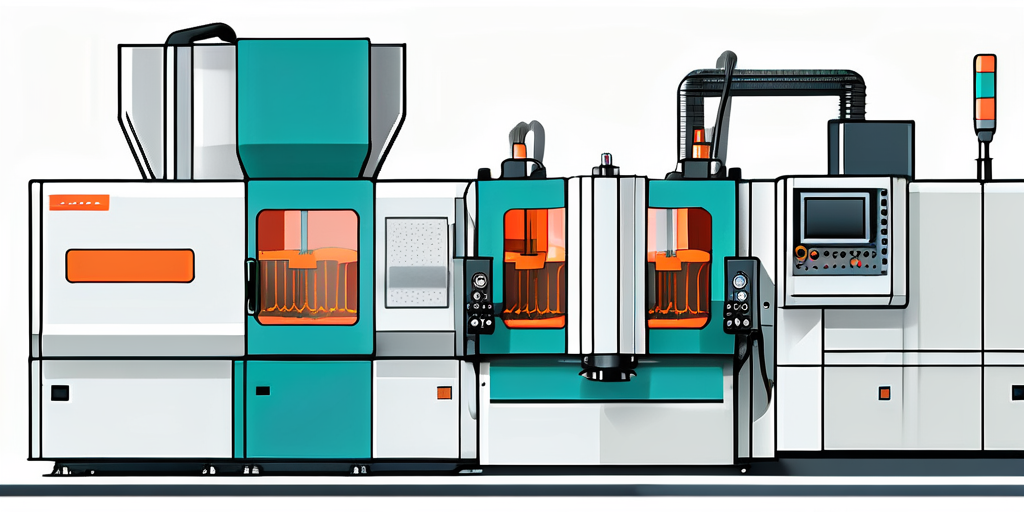
This process is highly efficient and can produce complex shapes with a high degree of precision. It is also highly repeatable, making it ideal for mass production. However, it does require a significant upfront investment in the form of tooling costs, as each new part requires a custom mold.
Advantages of Using Thermoset Plastics in Injection Molding
There are several advantages to using thermoset plastics in the injection molding process. First, thermoset plastics offer superior mechanical properties, including high strength and stiffness. This makes them ideal for producing parts that need to withstand high stresses or loads.
Second, thermoset plastics have excellent dimensional stability, meaning they maintain their shape and size even when exposed to high temperatures or humid conditions. This makes them suitable for applications where precision and consistency are critical. Finally, thermoset plastics are highly resistant to chemicals, heat, and electricity, making them ideal for use in harsh or demanding environments.
Applications of Thermoset Plastic Injection Molding
Due to their unique properties, thermoset plastics are used in a wide range of applications. In the automotive industry, for example, they are used to produce parts such as engine components, electrical systems, and body panels. They are also used in the electronics industry to produce circuit boards, connectors, and other components.
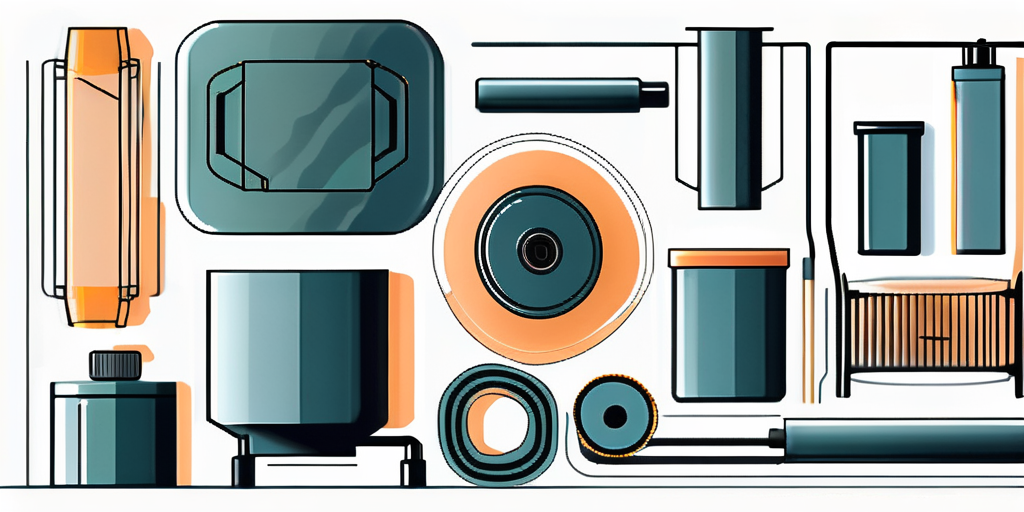
In addition, thermoset plastics are used in the construction industry to produce building materials, in the aerospace industry to produce aircraft components, and in the medical industry to produce surgical instruments and devices. The versatility of thermoset plastics, combined with the efficiency and precision of the injection molding process, makes them a powerful tool in the world of manufacturing.
Challenges and Solutions in Thermoset Injection Molding
While thermoset injection molding offers many advantages, it also presents some challenges. One of the main challenges is the irreversible nature of the curing process. Once a thermoset plastic has been cured, it cannot be remelted or reshaped. This means that any mistakes or defects in the molding process can result in wasted material and increased costs.
However, advancements in technology and process control have led to significant improvements in the accuracy and reliability of the injection molding process. Modern injection molding machines are equipped with sophisticated control systems that monitor and adjust the process in real time, reducing the risk of defects and waste. In addition, the use of computer-aided design (CAD) and computer-aided manufacturing (CAM) tools allows for precise design and tooling, further improving the quality and consistency of the finished parts.
Future of Thermoset Injection Molding
The future of thermoset injection molding looks promising. As the demand for high-performance materials continues to grow, so too does the demand for thermoset plastics. Advances in material science and processing technology are expected to further enhance the properties and capabilities of thermoset plastics, opening up new opportunities and applications.
At the same time, efforts are being made to make the process more sustainable. This includes the development of bio-based thermoset plastics, which are derived from renewable resources, and the exploration of recycling methods for thermoset waste. While these efforts are still in their early stages, they represent important steps towards a more sustainable future for the plastics industry.
Conclusion
In conclusion, thermoset plastics play a crucial role in the world of plastic injection molding. Their unique properties, combined with the efficiency and precision of the injection molding process, make them an invaluable tool in a wide range of industries. As technology and material science continue to advance, the possibilities for thermoset injection molding are only expected to grow.
Whether you are a manufacturer looking to produce high-performance parts, or a consumer interested in the materials that make up the products you use every day, understanding the role of thermoset plastics in injection molding can provide valuable insights. From automotive parts to electronic components, thermoset plastics are an integral part of our everyday lives, and their importance cannot be overstated.