

The term ‘sprue’ in the context of plastic injection molding refers to the passage through which molten plastic is introduced into a mold. It is an integral part of the injection molding process, serving as the initial point of entry for the plastic material into the mold cavity. The design and maintenance of the sprue can significantly impact the quality of the final molded product.
The sprue is typically a circular channel, though its shape can vary depending on the specific requirements of the molding process. It is connected to the runner system, which further directs the flow of the molten plastic to the various parts of the mold. Understanding the role and function of the sprue is crucial for anyone involved in the plastic injection molding industry.
Design and Function of the Sprue
The design of the sprue is critical to the efficiency and effectiveness of the plastic injection molding process. It must be designed to facilitate the smooth flow of the molten plastic, minimizing resistance and preventing premature cooling. The diameter of the sprue, its length, and its shape can all impact the flow of the plastic and the quality of the final product.
The function of the sprue is to guide the molten plastic from the injection unit of the molding machine into the mold cavity. It is the first point of contact between the plastic and the mold, and any defects or inefficiencies in the sprue can have a significant impact on the final product. Therefore, careful design and maintenance of the sprue are essential.
Design Considerations for the Sprue
When designing the sprue, several factors must be taken into account. The diameter of the sprue must be large enough to allow the molten plastic to flow freely, but not so large that it causes excessive pressure loss. The length of the sprue must be sufficient to allow the plastic to reach all parts of the mold, but not so long that it causes the plastic to cool prematurely.
The shape of the sprue is also important. A tapered sprue, where the diameter decreases from the injection unit to the mold cavity, can help to reduce pressure loss and improve the flow of the plastic. However, a tapered sprue can also increase the risk of the plastic cooling prematurely, so a balance must be struck.
Function and Maintenance of the Sprue
The sprue plays a crucial role in the plastic injection molding process, and its function must be carefully monitored and maintained. Regular inspection of the sprue for signs of wear or damage is essential. Any defects in the sprue can cause problems with the flow of the plastic, leading to defects in the final product.
Maintenance of the sprue involves regular cleaning to remove any residual plastic and prevent blockages. It may also involve periodic replacement of the sprue if it becomes worn or damaged. The use of high-quality materials for the sprue can help to extend its lifespan and improve the quality of the final product.
Types of Sprues
There are several different types of sprues used in plastic injection molding, each with its own advantages and disadvantages. The choice of sprue type depends on the specific requirements of the molding process and the characteristics of the plastic material being used.

Some of the most common types of sprues include the straight sprue, the tapered sprue, and the hot sprue. Each of these types has a different design and function, and each can impact the quality of the final product in different ways.
Straight Sprue
The straight sprue is the simplest type of sprue, consisting of a straight, cylindrical channel that connects the injection unit to the mold cavity. This type of sprue is easy to design and manufacture, and it provides a straightforward path for the molten plastic to follow.
However, the straight sprue can also cause problems with pressure loss and premature cooling of the plastic. Because the diameter of the sprue remains constant along its length, the plastic can experience resistance as it flows through the sprue, leading to a loss of pressure. This can impact the quality of the final product and increase the risk of defects.
Tapered Sprue
The tapered sprue is a more complex type of sprue, where the diameter decreases from the injection unit to the mold cavity. This design can help to reduce pressure loss and improve the flow of the plastic, leading to a higher quality final product.
However, the tapered sprue can also increase the risk of the plastic cooling prematurely, as the decreasing diameter can cause the plastic to slow down and cool before it reaches the mold cavity. Therefore, careful design and monitoring of the tapered sprue are necessary to prevent these problems.
Hot Sprue
The hot sprue is a type of sprue that is heated to maintain the temperature of the molten plastic as it flows through the sprue. This can help to prevent premature cooling of the plastic and improve the quality of the final product.
However, the hot sprue is more complex and expensive to design and manufacture than other types of sprues. It also requires careful monitoring and maintenance to ensure that the temperature is maintained at the correct level.
Impact of the Sprue on the Injection Molding Process
The sprue has a significant impact on the plastic injection molding process, affecting the flow of the molten plastic, the pressure in the mold cavity, and the quality of the final product. Any problems with the sprue can lead to defects in the final product, including short shots, sink marks, and warping.
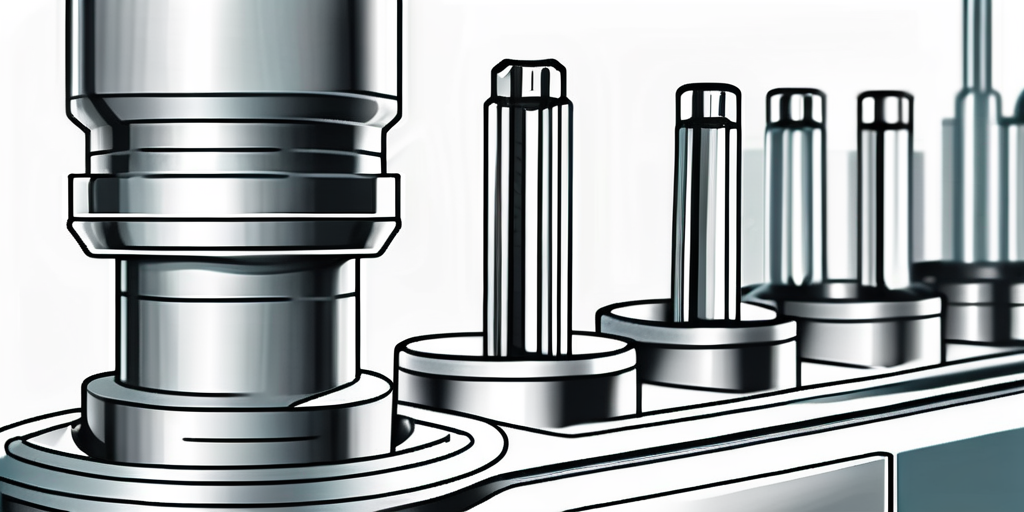
Therefore, careful design, monitoring, and maintenance of the sprue are essential for the success of the plastic injection molding process. The use of high-quality materials for the sprue, regular inspection and cleaning, and periodic replacement of the sprue can all help to improve the quality of the final product and reduce the risk of defects.
Impact on the Flow of the Plastic
The design of the sprue can significantly impact the flow of the molten plastic through the mold. A well-designed sprue will facilitate a smooth, uninterrupted flow of the plastic, minimizing resistance and preventing premature cooling. This can help to ensure that the plastic reaches all parts of the mold cavity and improves the quality of the final product.
However, a poorly designed sprue can cause problems with the flow of the plastic, leading to pressure loss, premature cooling, and defects in the final product. Therefore, careful design of the sprue is essential for the success of the plastic injection molding process.
Impact on the Pressure in the Mold Cavity
The sprue also affects the pressure in the mold cavity. The diameter and length of the sprue can impact the pressure of the molten plastic as it enters the mold cavity, which can in turn affect the quality of the final product. A well-designed sprue will maintain a consistent pressure in the mold cavity, ensuring that the plastic fills the cavity evenly and completely.
However, a poorly designed sprue can cause variations in the pressure in the mold cavity, leading to defects in the final product. These can include short shots, where the plastic does not fill the mold cavity completely, and sink marks, where the plastic shrinks as it cools, causing depressions in the surface of the final product.
Impact on the Quality of the Final Product
The quality of the final product in plastic injection molding is heavily influenced by the design and function of the sprue. A well-designed and well-maintained sprue can help to ensure a smooth, uninterrupted flow of the plastic, maintain a consistent pressure in the mold cavity, and prevent premature cooling of the plastic. This can lead to a high-quality final product with few defects.
However, a poorly designed or poorly maintained sprue can cause a variety of problems, leading to defects in the final product. These can include short shots, sink marks, warping, and other issues that can affect the appearance, strength, and functionality of the final product. Therefore, careful attention to the design and maintenance of the sprue is essential for the success of the plastic injection molding process.
Conclusion
In conclusion, the sprue is a critical component of the plastic injection molding process. Its design and function can significantly impact the flow of the molten plastic, the pressure in the mold cavity, and the quality of the final product. Therefore, understanding the role and function of the sprue, and how to design and maintain it effectively, is crucial for anyone involved in the plastic injection molding industry.

Whether you are a designer, engineer, technician, or operator in the plastic injection molding industry, a thorough understanding of the sprue and its impact on the molding process can help you to improve the quality of your products, reduce the risk of defects, and increase your efficiency and productivity. So, take the time to learn about the sprue, and apply this knowledge to your work in the plastic injection molding industry.