

The term ‘Surface Finish’ in the context of Plastic Injection Molding refers to the final texture, look, and feel of the plastic part after it has been ejected from the mold. This is a critical aspect of the molding process as it directly affects the aesthetic and functional properties of the molded part. The surface finish can range from highly polished to textured, and it is determined by various factors such as the type of plastic material used, the design of the mold, the molding process parameters, and the post-molding treatments.
Understanding the intricacies of surface finish in plastic injection molding is essential for manufacturers, designers, and engineers. It allows them to make informed decisions about the design and manufacturing process to achieve the desired surface finish. This glossary entry will delve into the various aspects of surface finish in plastic injection molding, including its types, factors affecting it, and its significance in the overall molding process.
Types of Surface Finishes in Plastic Injection Molding
In plastic injection molding, there are several types of surface finishes that can be achieved, each with its own unique characteristics. The type of surface finish is often specified in the design stage and is dictated by the requirements of the final product.
The most common types of surface finishes include polished, semi-gloss, matte, and textured. A polished finish is highly glossy and smooth, often used for parts that require a high aesthetic appeal, such as consumer electronics or automotive interiors. A semi-gloss finish has a slight sheen and is less reflective than a polished finish. A matte finish is non-reflective and has a dull, flat appearance. Textured finishes can range from light to heavy textures, and are often used to hide manufacturing defects or to enhance grip or aesthetics.
Polished Finish
A polished finish in plastic injection molding is achieved by polishing the mold surface to a high degree of smoothness. This results in a glossy, mirror-like finish on the molded part. The polishing process can be done manually or using automated polishing machines. The level of glossiness can be controlled by the degree of polishing.
Polished finishes are often used in applications where aesthetics are important, such as consumer electronics, automotive interiors, and medical devices. They are also used in applications where a smooth surface is required for functional reasons, such as reducing friction or improving cleanability.
Matte Finish
A matte finish in plastic injection molding is achieved by creating a rough surface on the mold. This can be done through various methods such as sandblasting, chemical etching, or using a mold material with a naturally rough surface. The result is a non-reflective, dull finish on the molded part.
Matte finishes are often used in applications where glare reduction is important, such as electronic device screens. They are also used in applications where a non-slip surface is required, such as tool handles or control knobs.
Factors Affecting Surface Finish in Plastic Injection Molding
Several factors can affect the surface finish in plastic injection molding. These include the type of plastic material used, the design of the mold, the molding process parameters, and the post-molding treatments.
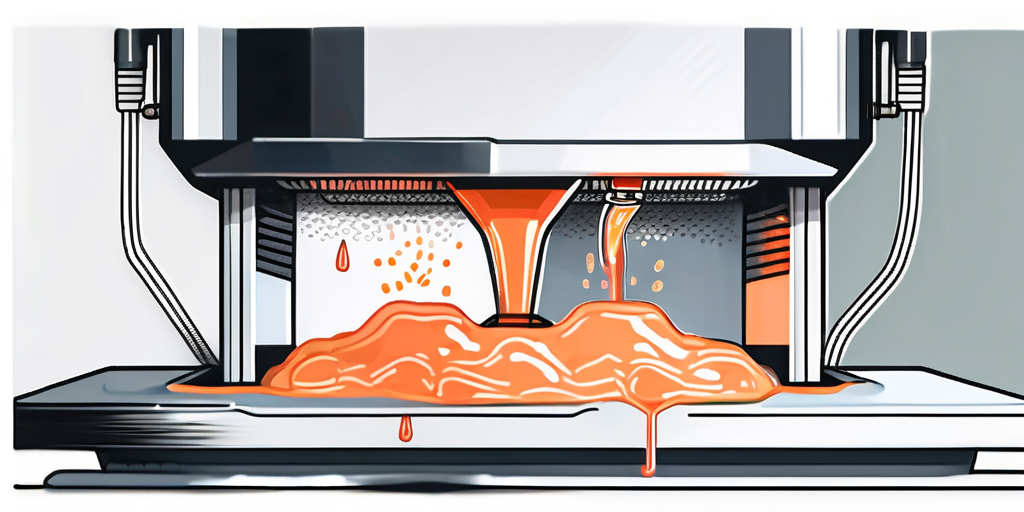
The type of plastic material used can significantly affect the surface finish. Some materials, such as ABS and polystyrene, can achieve a high gloss finish, while others, such as polypropylene and polyethylene, tend to produce a matte finish. The design of the mold, including the surface finish of the mold cavity, also plays a crucial role. A highly polished mold will result in a glossy finish, while a rough mold will result in a matte finish. The molding process parameters, such as the injection speed, pressure, and temperature, can also affect the surface finish. Finally, post-molding treatments, such as painting, coating, or plating, can alter the surface finish.
Material Selection
The type of plastic material used in the molding process plays a significant role in determining the surface finish of the final product. Different materials have different properties, and these properties can affect how the material flows into the mold, how it cools and solidifies, and how it releases from the mold. All of these factors can influence the surface finish.
For instance, materials with a high melt flow rate, such as ABS and polystyrene, tend to fill the mold more completely and evenly, resulting in a smoother surface finish. On the other hand, materials with a low melt flow rate, such as polypropylene and polyethylene, may not fill the mold as completely or evenly, resulting in a rougher surface finish. Furthermore, some materials, such as polycarbonate and acrylic, can achieve a high level of transparency, which can enhance the glossiness of the surface finish.
Mold Design
The design of the mold, particularly the surface finish of the mold cavity, is another critical factor in determining the surface finish of the molded part. The mold cavity is the hollow space in the mold where the plastic material is injected and takes the shape of the final part. The surface finish of the mold cavity directly transfers to the molded part during the molding process.
A highly polished mold cavity will result in a glossy finish on the molded part, while a rough mold cavity will result in a matte or textured finish. The degree of polish or roughness can be controlled through various methods, such as mechanical polishing, chemical etching, or laser texturing. The choice of method depends on the desired level of surface finish and the complexity of the mold design.
Significance of Surface Finish in Plastic Injection Molding
The surface finish of a molded part is not just about aesthetics. It has significant implications on the part’s performance, functionality, and lifespan. Therefore, understanding the importance of surface finish in plastic injection molding is crucial for manufacturers and designers.

A high-quality surface finish can enhance the appearance of the part, making it more appealing to consumers. It can also improve the part’s functionality by reducing friction, improving cleanability, or enhancing grip. Furthermore, a good surface finish can increase the part’s lifespan by reducing wear and tear, improving resistance to chemicals or UV radiation, or enhancing the adhesion of coatings or paints.
Functional Implications
The surface finish of a molded part can have significant functional implications. For instance, a smooth, polished surface can reduce friction, which is beneficial in applications such as gears or moving parts. A smooth surface can also improve cleanability, which is important in medical devices or food packaging.
On the other hand, a rough or textured surface can enhance grip, which is beneficial in applications such as tool handles or control knobs. A textured surface can also hide manufacturing defects or scratches, improving the overall appearance of the part.
Aesthetic Implications
The aesthetic implications of the surface finish are also significant. A high-quality surface finish can enhance the appearance of the part, making it more appealing to consumers. This is particularly important in consumer electronics, automotive interiors, and other applications where the visual appeal of the product is a key selling point.
The choice of surface finish can also affect the perception of the product. For instance, a glossy finish can give the impression of luxury or high quality, while a matte finish can give the impression of durability or ruggedness. Therefore, the choice of surface finish should align with the brand image and the intended market of the product.
Conclusion
In conclusion, the surface finish in plastic injection molding is a critical aspect that affects the aesthetic and functional properties of the molded part. It is determined by various factors such as the type of plastic material used, the design of the mold, the molding process parameters, and the post-molding treatments. Understanding these factors and their impact on the surface finish can help manufacturers and designers make informed decisions to achieve the desired surface finish.

Whether it’s a glossy finish for a luxury car interior or a textured finish for a rugged tool handle, the right surface finish can enhance the appearance, functionality, and lifespan of the molded part. Therefore, the importance of surface finish in plastic injection molding cannot be overstated.