

Plastic injection molding is a versatile and efficient manufacturing process used to produce a wide variety of plastic parts and components. This method involves injecting molten plastic into a mold, where it cools and solidifies into the desired shape. The strength of the resulting product is a critical factor in its performance and durability, and is influenced by a range of variables including the type of plastic used, the design of the mold, and the specifics of the molding process.
Understanding the strength of plastic injection molded parts requires a comprehensive grasp of the underlying principles and processes involved in this manufacturing method. This includes knowledge of the properties of different types of plastic, the factors that influence the strength of a molded part, and the ways in which the molding process can be adjusted to optimize strength. This glossary article will delve into these topics in detail, providing a thorough explanation of the strength of plastic injection molded parts.
Types of Plastic Used in Injection Molding
There are many types of plastic that can be used in injection molding, each with its own unique properties. The type of plastic used will have a significant impact on the strength of the finished product. Some plastics, like polystyrene, are relatively brittle and may crack or break under stress. Others, like polypropylene, are more flexible and can withstand bending and twisting forces better.
High-density plastics, such as polyethylene and polyvinyl chloride (PVC), are often used in injection molding due to their strength and durability. These materials are resistant to impact, wear, and chemical exposure, making them suitable for a wide range of applications. However, they also require higher molding temperatures and pressures, which can increase the complexity and cost of the molding process.
Polystyrene
Polystyrene is a common type of plastic used in injection molding. It is relatively easy to mold and has a good dimensional stability, meaning it maintains its shape well after molding. However, polystyrene is also relatively brittle and may crack or break if subjected to high stresses or impacts. This makes it less suitable for applications that require high strength or durability.
Despite its limitations, polystyrene is widely used in injection molding due to its low cost and ease of use. It is commonly used to produce disposable items like cutlery and cups, as well as packaging materials and insulation. While not the strongest plastic available, it is sufficient for many applications and offers good value for money.
Polypropylene
Polypropylene is another popular choice for injection molding. This plastic is more flexible than polystyrene, allowing it to withstand bending and twisting forces better. It also has a high resistance to chemical exposure and can withstand high temperatures, making it suitable for a wide range of applications.
However, polypropylene is also more difficult to mold than polystyrene, requiring higher temperatures and pressures. This can increase the complexity and cost of the molding process. Despite these challenges, the strength and versatility of polypropylene make it a popular choice for many injection molding applications.
Design Factors Influencing Strength
The design of the mold and the part being produced can also have a significant impact on the strength of a plastic injection molded part. Factors such as the thickness of the part, the presence of ribs or gussets, and the layout of the mold can all influence the strength of the finished product.
A thicker part will generally be stronger than a thinner one, as there is more material to resist stresses and impacts. However, thicker parts also require more plastic and longer cooling times, which can increase the cost and duration of the molding process. Therefore, it is important to balance the need for strength with the practicalities of production.
Part Thickness
The thickness of a part is a critical factor in its strength. A thicker part will generally be stronger than a thinner one, as there is more material to resist stresses and impacts. However, thicker parts also require more plastic and longer cooling times, which can increase the cost and duration of the molding process.
Therefore, it is important to balance the need for strength with the practicalities of production. Designers must consider the intended use of the part and the forces it will be subjected to in order to determine the optimal thickness. In some cases, it may be possible to increase strength by adding ribs or gussets, rather than simply making the part thicker.
Ribs and Gussets
Ribs and gussets are structural features that can be added to a part to increase its strength. Ribs are thin, raised sections of the part that run along its length or width, while gussets are triangular supports that are placed at corners or intersections. Both of these features can significantly increase the strength of a part without adding much weight or material.
However, the addition of ribs and gussets can also complicate the design and molding process. They must be carefully positioned to avoid creating weak points or areas of high stress in the part. Additionally, they can make the mold more difficult to fill and may increase the risk of defects like warping or shrinkage.
Process Factors Influencing Strength
The specifics of the injection molding process can also influence the strength of the finished part. Factors such as the temperature and pressure of the molding process, the cooling time, and the use of fillers or reinforcements can all affect the strength of a plastic injection molded part.
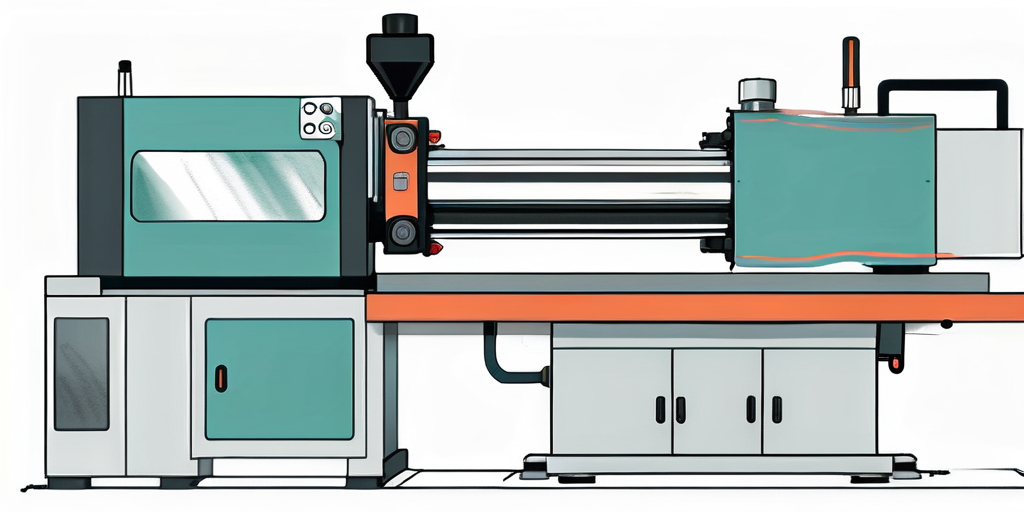
The temperature and pressure of the molding process must be carefully controlled to ensure that the plastic fully fills the mold and solidifies properly. If the temperature is too low, the plastic may not flow properly, leading to incomplete filling or weak points in the part. If the pressure is too high, it can cause stress in the part, leading to warping or cracking.
Temperature and Pressure
The temperature and pressure of the injection molding process are critical factors in determining the strength of the finished part. The plastic must be heated to a temperature that allows it to flow easily into the mold, but not so high that it degrades or burns. The pressure must be high enough to force the plastic into all parts of the mold, but not so high that it causes stress in the part or damages the mold.
Controlling the temperature and pressure requires a thorough understanding of the properties of the plastic being used, as well as the specifics of the mold and part design. It is often necessary to adjust these parameters during the molding process to achieve the desired results. This requires careful monitoring and control, but can significantly improve the strength and quality of the finished part.
Cooling Time
The cooling time is another important factor in the strength of a plastic injection molded part. The plastic must be allowed to cool and solidify in the mold before it is removed. If the part is removed too soon, it may warp or shrink, reducing its strength and dimensional accuracy.
However, longer cooling times can also increase the cost and duration of the molding process. Therefore, it is important to find the optimal cooling time that allows the part to solidify properly without unnecessarily prolonging the process. This requires careful monitoring and control, and may vary depending on the type of plastic used and the design of the part and mold.
Conclusion
The strength of a plastic injection molded part is influenced by a wide range of factors, including the type of plastic used, the design of the part and mold, and the specifics of the molding process. Understanding these factors and how they interact is crucial for producing strong, durable parts.
While this glossary article provides a comprehensive overview of these factors, it is important to remember that each injection molding project is unique. The optimal choices for plastic type, part design, and process parameters will depend on the specific requirements of the project. Therefore, it is always advisable to work with experienced professionals who can provide guidance and expertise in these areas.