

Shrinkage in the context of plastic injection molding refers to the contraction of a plastic molded part as it cools after injection. Most shrinkage occurs in the mold during cooling, but some shrinkage occurs after ejection, as the part continues to cool. After that, the part may continue to shrink very slightly for several hours or even days until the temperature and moisture content stabilize.
Shrinkage is a critical aspect of the plastic injection molding process as it directly influences the dimensions and internal structure of the molded part. The shrinkage rate of the plastic material being used must be factored into the design of the mold to ensure the final part is of the correct size and shape. Understanding the concept of shrinkage in plastic injection molding is crucial for engineers and designers who use this process for the production of plastic parts and components.
Causes of Shrinkage in Plastic Injection Molding
Shrinkage in plastic injection molding is primarily caused by the thermal contraction of the plastic material as it cools. When the molten plastic is injected into the mold, it is at a high temperature. As the plastic cools, it contracts, leading to shrinkage in the molded part.
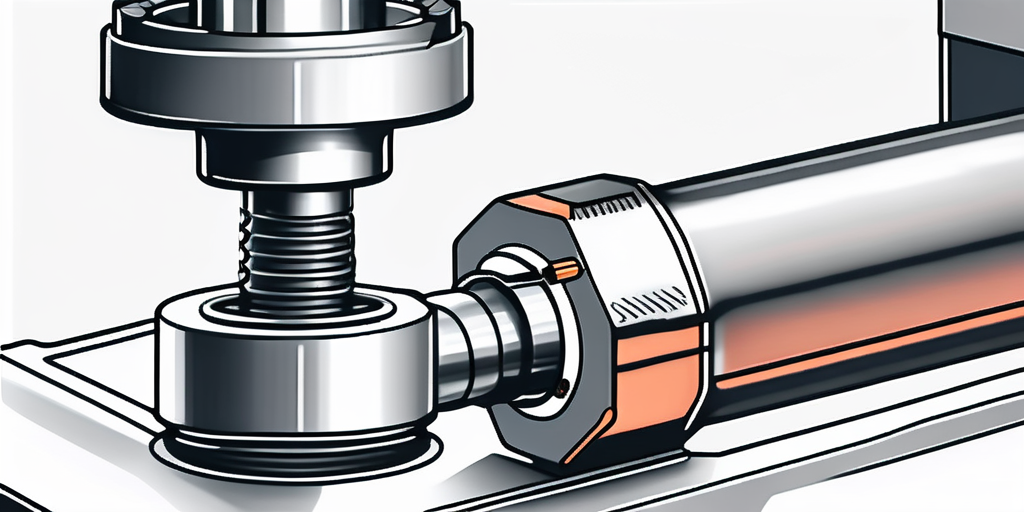
Another cause of shrinkage is the packing and pressure applied to the plastic inside the mold. The packing of the plastic in the mold can affect the amount of shrinkage that occurs. If the packing pressure is too low, more shrinkage may occur. Conversely, if the packing pressure is too high, less shrinkage may occur, but other problems may arise, such as warping or internal stress in the part.
Thermal Contraction
Thermal contraction is the primary cause of shrinkage in plastic injection molding. The plastic material is heated to a molten state before being injected into the mold. Once in the mold, the plastic begins to cool and solidify, and as it does so, it contracts. This contraction is what causes the molded part to shrink.
The rate of thermal contraction is dependent on several factors, including the type of plastic material being used, the temperature of the mold, and the cooling rate. Different types of plastic have different rates of thermal contraction, and this must be taken into account when designing the mold and planning the molding process.
Packing and Pressure
The packing and pressure applied to the plastic inside the mold can also affect the amount of shrinkage that occurs. The plastic is packed into the mold using pressure, and this pressure is maintained for a period of time (the holding time) to ensure the plastic fills the mold completely.
If the packing pressure is too low, the plastic may not fill the mold completely, leading to more shrinkage. If the packing pressure is too high, less shrinkage may occur, but other problems may arise, such as warping or internal stress in the part. The packing pressure and holding time must be carefully controlled to minimize shrinkage and avoid other defects.
Effects of Shrinkage on the Molded Part
Shrinkage can have a significant effect on the dimensions and internal structure of the molded part. If shrinkage is not properly accounted for in the design of the mold and the molding process, it can lead to parts that are out of specification, have internal stresses, or have other defects.

Shrinkage can cause a part to be smaller than intended, which can be a problem if the part has to fit with other parts in an assembly. Shrinkage can also cause internal stresses in the part, which can lead to warping, cracking, or other defects. In severe cases, shrinkage can cause a part to be unusable.
Dimensional Changes
One of the most obvious effects of shrinkage is a change in the dimensions of the molded part. As the plastic shrinks, the part becomes smaller. The amount of shrinkage can be significant, especially for large parts or parts with long, thin walls.
The change in dimensions can be a problem if the part has to fit with other parts in an assembly. If the part is too small, it may not fit properly, or it may not perform its intended function. If the part is too large, it may not fit at all. Therefore, it is crucial to account for shrinkage when designing the mold and planning the molding process.
Internal Stresses
Shrinkage can also cause internal stresses in the molded part. These stresses occur because different parts of the part cool and shrink at different rates. For example, the outer surface of the part cools and shrinks first, while the interior of the part cools and shrinks later.
These differential cooling and shrinking rates can lead to internal stresses in the part, which can cause warping, cracking, or other defects. These stresses can be minimized by using a uniform cooling rate and by packing the plastic in the mold properly.
Measuring and Controlling Shrinkage
Shrinkage in plastic injection molding can be measured and controlled to ensure the final part is of the correct size and shape. The shrinkage rate of the plastic material being used is usually provided by the material supplier and is typically expressed as a percentage.
The shrinkage rate can be used to adjust the dimensions of the mold, so that the final part is of the correct size. For example, if the shrinkage rate is 2%, the dimensions of the mold can be increased by 2% to compensate for the shrinkage.
Measuring Shrinkage
Shrinkage can be measured using a variety of methods. One common method is to measure the dimensions of the molded part after it has cooled and compare these dimensions to the dimensions of the mold. This can give a good indication of the amount of shrinkage that has occurred.
Another method is to use a shrinkage gauge, which is a device that measures the change in dimensions of the part as it cools. This can give a more accurate measurement of the shrinkage rate, especially for large parts or parts with complex shapes.
Controlling Shrinkage
Shrinkage can be controlled by adjusting the molding process parameters, such as the injection speed, packing pressure, and cooling rate. By carefully controlling these parameters, it is possible to minimize shrinkage and produce parts that are of the correct size and shape.
In addition to adjusting the process parameters, it may also be necessary to adjust the design of the mold to compensate for shrinkage. This can involve increasing the dimensions of the mold, adding or removing features, or changing the layout of the mold.
Conclusion
Shrinkage is a critical aspect of the plastic injection molding process that must be properly understood and controlled to produce high-quality plastic parts. By understanding the causes and effects of shrinkage, and by measuring and controlling shrinkage effectively, it is possible to produce plastic parts that meet the required specifications and perform their intended function effectively.
While shrinkage can present challenges in the plastic injection molding process, with the right knowledge and techniques, it can be successfully managed. This will result in a more efficient process, higher-quality parts, and ultimately, a more successful product.