

Resin is a fundamental component in the process of plastic injection molding, a manufacturing technique used to create a wide variety of plastic products. This article will delve into the intricacies of resin and its role in plastic injection molding, providing a comprehensive understanding of this complex process.
Resin, in the context of plastic injection molding, refers to the raw material – the plastic – that is melted and injected into a mold to form a product. The term ‘resin’ is used interchangeably with ‘plastic’ in this industry, and there are many different types of resin, each with unique properties that make them suitable for different applications.
Types of Resin
There are numerous types of resin used in plastic injection molding, each with its own unique properties. Some are more durable, some are more flexible, and others have higher resistance to heat or chemicals. The type of resin chosen for a particular product depends on the requirements of the product.
Common types of resin include Polyethylene (PE), Polypropylene (PP), Polystyrene (PS), and Polyvinyl Chloride (PVC). Each of these resins has its own set of characteristics that make it suitable for certain applications. For example, PE is often used for packaging due to its flexibility and durability, while PVC is commonly used in construction for its strength and resistance to chemicals.
Polyethylene (PE)
Polyethylene is the most commonly used resin in plastic injection molding. It is a versatile material that is used in a wide range of products, from plastic bags to toys to automotive parts. PE is known for its durability, flexibility, and resistance to moisture, making it an excellent choice for products that need to withstand wear and tear.
There are different types of PE, including High-Density Polyethylene (HDPE) and Low-Density Polyethylene (LDPE). HDPE is stronger and more rigid than LDPE, making it suitable for products that need to be sturdy, such as plastic bottles and containers. LDPE, on the other hand, is more flexible and is often used for products that need to be able to bend or flex, such as plastic bags.
Polypropylene (PP)
Polypropylene is another commonly used resin in plastic injection molding. It is a strong, lightweight material that is resistant to chemicals, making it a popular choice for products that will come into contact with chemicals or need to be lightweight, such as medical devices and automotive parts.
PP is also known for its high melting point, which means it can withstand higher temperatures than many other types of resin. This makes it an excellent choice for products that will be exposed to heat, such as kitchenware and car parts.
The Plastic Injection Molding Process
The plastic injection molding process involves several steps, starting with the selection of the appropriate resin. The resin is then heated until it becomes a liquid, at which point it is injected into a mold. The mold is then cooled, causing the resin to solidify and take on the shape of the mold.
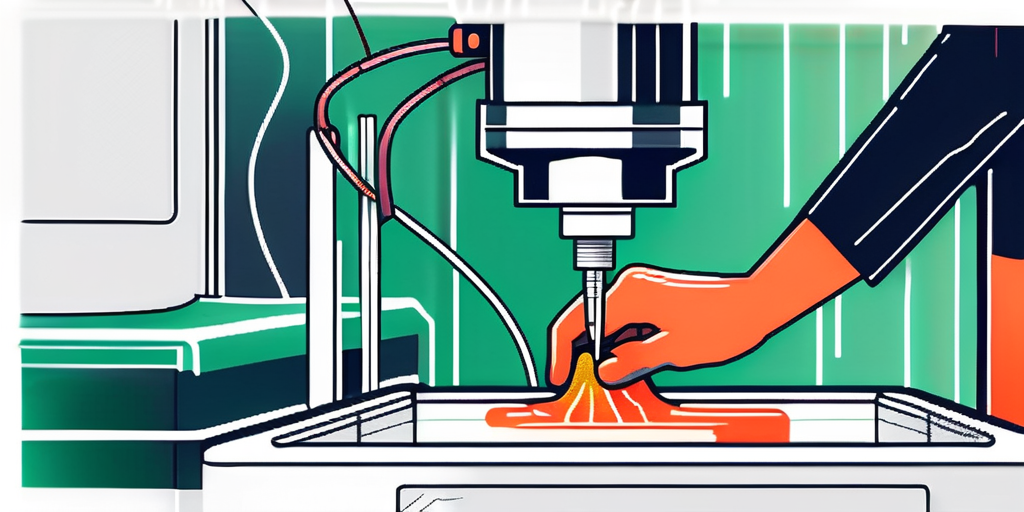
Once the resin has cooled and solidified, the mold is opened and the finished product is ejected. The mold is then closed and the process begins again. This cycle continues until the desired number of products has been produced.
Selection of Resin
The first step in the plastic injection molding process is the selection of the appropriate resin. This is a crucial step, as the type of resin chosen will determine the properties of the finished product. Factors to consider when choosing a resin include the product’s intended use, the required durability, flexibility, and resistance to heat or chemicals, and the desired appearance of the product.
Once the appropriate resin has been selected, it is fed into the injection molding machine. The resin typically comes in the form of small pellets, which are easy to handle and feed into the machine.
Heating and Injection
The next step in the process is heating the resin. The resin pellets are fed into a heating cylinder, where they are heated until they become a liquid. The temperature at which the resin melts varies depending on the type of resin, but it is typically between 200 and 300 degrees Celsius.
Once the resin has melted, it is injected into the mold. This is done using a high-pressure injection unit, which forces the molten resin into the mold. The amount of resin injected into the mold is carefully controlled to ensure that the mold is completely filled.
Cooling and Ejection
After the resin has been injected into the mold, the mold is cooled. This causes the resin to solidify and take on the shape of the mold. The cooling process is carefully controlled to ensure that the resin solidifies evenly and that the finished product has the correct dimensions.
Once the resin has solidified, the mold is opened and the finished product is ejected. This is done using an ejection system, which pushes the product out of the mold. The product is then inspected to ensure that it meets the required specifications, and any excess resin is trimmed off.
Applications of Plastic Injection Molding
Plastic injection molding is used to manufacture a wide variety of products, from small components to large items. The versatility of this process, combined with the wide range of resins available, makes it suitable for a broad spectrum of applications.
Common applications of plastic injection molding include packaging, automotive parts, medical devices, toys, and construction materials. The type of resin chosen for each application depends on the requirements of the product. For example, a product that needs to be durable and resistant to chemicals, such as a medical device, might be made from a resin like Polypropylene.
Packaging
One of the most common applications of plastic injection molding is in the packaging industry. Resins such as Polyethylene and Polypropylene are commonly used to produce a wide range of packaging products, from plastic bags to food containers. These resins are chosen for their durability, flexibility, and resistance to moisture, making them ideal for packaging applications.
Plastic injection molding allows for the production of packaging products in a wide range of shapes and sizes, making it a versatile and cost-effective solution for the packaging industry.
Automotive Parts
Plastic injection molding is also widely used in the automotive industry to produce a variety of parts, from interior components to exterior body parts. Resins such as Polypropylene and ABS (Acrylonitrile Butadiene Styrene) are commonly used due to their strength, durability, and resistance to heat and chemicals.
The ability to produce complex shapes and the high production speed of plastic injection molding make it an ideal manufacturing process for the automotive industry.
Advantages and Disadvantages of Plastic Injection Molding
Like any manufacturing process, plastic injection molding has its advantages and disadvantages. Understanding these can help in making informed decisions about whether this process is the right choice for a particular product.
Some of the main advantages of plastic injection molding include its high production speed, its ability to produce complex shapes, and its cost-effectiveness for large production runs. However, it also has some disadvantages, such as high initial setup costs and limitations on the types of materials that can be used.
Advantages
One of the main advantages of plastic injection molding is its high production speed. Once the mold has been created and the machine has been set up, products can be produced at a very fast rate. This makes it a cost-effective solution for large production runs.
Another advantage is the ability to produce complex shapes. The molten resin is injected into the mold under high pressure, which allows it to fill even the most intricate parts of the mold. This makes plastic injection molding an excellent choice for products with complex geometries.
Disadvantages
One of the main disadvantages of plastic injection molding is the high initial setup costs. Creating the mold can be an expensive process, especially for complex products. This means that plastic injection molding may not be cost-effective for small production runs.
Another disadvantage is the limitations on the types of materials that can be used. While there are many different types of resin available, not all materials are suitable for plastic injection molding. For example, some materials may not withstand the high temperatures required to melt the resin, while others may not be suitable for the high-pressure injection process.
Conclusion
Resin plays a crucial role in the process of plastic injection molding, serving as the raw material that is transformed into a wide range of plastic products. The type of resin chosen for a particular product can greatly influence the properties of the finished product, making the selection of the appropriate resin a critical step in the process.
Plastic injection molding is a versatile and efficient manufacturing process that is used in a wide range of industries. While it has its advantages and disadvantages, its ability to produce complex shapes at a high production speed makes it a popular choice for many applications.