

Overmolding is a complex process in the field of plastic injection molding, where a single part is created using two or more different materials in combination. The first material, known as the substrate, is partially or fully covered by subsequent materials during the molding process. This technique is used to create a single part with multiple materials, each providing its own unique properties to the final product.
This process is widely used in various industries such as automotive, medical, electronics, and consumer goods. Overmolding can enhance the product’s performance and functionality by combining the strength of a metal or plastic component with the flexibility of a rubber or soft plastic material. It also allows for the production of parts with complex geometries and intricate details.
Process of Overmolding
The overmolding process begins with the injection of the substrate material into a mold. Once this initial component has cooled and solidified, it is left in the mold and a second material is injected to form the final part. The second material, often a soft plastic or rubber, bonds to the substrate during the molding process, creating a strong, single piece.
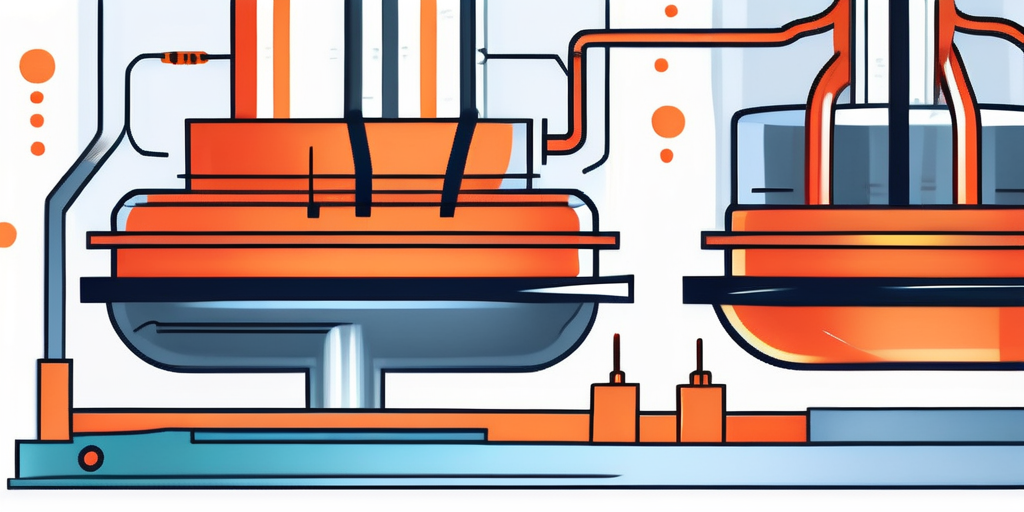
It’s important to note that the materials used in overmolding must be compatible with each other. They must be able to bond chemically or mechanically during the molding process. If the materials are not compatible, they may delaminate or separate after the molding process, resulting in a defective product.
Substrate Injection
The first step in the overmolding process is the injection of the substrate material. This is typically a hard plastic or metal that forms the base of the final part. The substrate material is heated until it becomes a liquid and then injected into the mold under high pressure. Once in the mold, the material cools and solidifies, taking on the shape of the mold cavity.
The substrate material must be chosen carefully to ensure it is compatible with the overmold material. It must also be able to withstand the heat and pressure of the overmolding process without deforming or melting.
Overmold Injection
Once the substrate has cooled and solidified, the overmold material is injected into the mold. This material is typically a soft plastic or rubber that will bond to the substrate to form the final part. The overmold material is also heated until it becomes a liquid and then injected into the mold, where it bonds to the substrate.
The overmold material must be compatible with the substrate material and able to bond to it during the molding process. It must also be able to withstand the heat and pressure of the molding process without deforming or melting.
Materials Used in Overmolding
There are many different materials that can be used in the overmolding process, each with its own unique properties and benefits. The choice of materials will depend on the requirements of the final part, including its intended use, the environment it will be exposed to, and the performance characteristics required.
Common materials used for the substrate in overmolding include hard plastics such as ABS, polycarbonate, and nylon, as well as metals like stainless steel and aluminum. For the overmold, soft plastics or rubbers such as TPE (thermoplastic elastomer), silicone, and polyurethane are often used.
Hard Plastics
Hard plastics are often used as the substrate material in overmolding due to their strength and durability. These materials can withstand the heat and pressure of the overmolding process and provide a solid base for the final part. ABS, polycarbonate, and nylon are all commonly used due to their high strength-to-weight ratios and excellent dimensional stability.
These materials also have good chemical resistance, making them suitable for use in a wide range of environments. They are also relatively easy to mold, making them a popular choice for a wide range of applications.
Soft Plastics and Rubbers
Soft plastics and rubbers are often used for the overmold material due to their flexibility and ability to bond to the substrate. These materials can provide a soft, comfortable grip, improve shock absorption, and provide additional functionality such as sealing or insulation.
TPE, silicone, and polyurethane are all commonly used due to their excellent flexibility and durability. These materials can also withstand the heat and pressure of the overmolding process and bond well to a wide range of substrate materials.
Benefits of Overmolding
Overmolding offers a number of benefits over traditional manufacturing methods. By combining multiple materials into a single part, overmolding can improve the performance and functionality of the final product. It can also reduce manufacturing costs by eliminating the need for secondary operations such as assembly or bonding.
Overmolding can also enhance the aesthetic appeal of a product by allowing for a wider range of design options. For example, different colors or textures can be incorporated into the design, and logos or other branding elements can be molded directly into the part.
Improved Performance and Functionality
One of the main benefits of overmolding is the ability to improve the performance and functionality of a product. By combining different materials, overmolding can provide a range of properties that would not be possible with a single material. For example, a hard plastic substrate can provide strength and rigidity, while a soft rubber overmold can provide a comfortable grip and improved shock absorption.
Overmolding can also provide additional functionality such as sealing, insulation, or noise reduction. For example, a rubber overmold can provide a watertight seal for electronic components, or provide insulation for a metal handle.
Reduced Manufacturing Costs
Overmolding can also reduce manufacturing costs by eliminating the need for secondary operations. In traditional manufacturing, separate parts would need to be molded and then assembled or bonded together. With overmolding, these parts can be combined into a single part, reducing labor costs and increasing production efficiency.
Overmolding can also reduce material costs by using less expensive materials for the substrate. For example, a metal part could be overmolded with a plastic material, reducing the amount of metal required and lowering the overall cost of the part.
Applications of Overmolding
Overmolding is used in a wide range of industries and applications. It is particularly popular in the automotive, medical, electronics, and consumer goods industries, where it is used to create a wide range of parts and products.
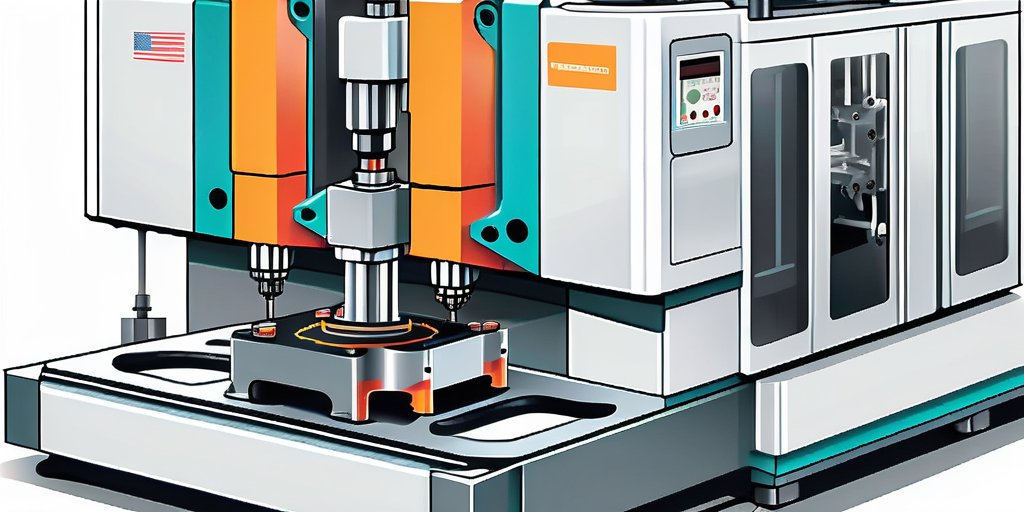
Some common applications of overmolding include tool handles, seals and gaskets, electrical connectors, and medical devices. In each of these applications, overmolding provides a range of benefits including improved performance, reduced manufacturing costs, and enhanced aesthetic appeal.
Automotive Industry
In the automotive industry, overmolding is used to create a wide range of parts including seals, gaskets, and connectors. These parts often require a combination of materials to provide the necessary performance characteristics. For example, a seal may require a hard plastic substrate for strength and rigidity, with a soft rubber overmold to provide a watertight seal.
Overmolding is also used to create aesthetic elements such as knobs, buttons, and handles. These parts can be designed with a wide range of colors and textures, enhancing the overall aesthetic appeal of the vehicle.
Medical Industry
In the medical industry, overmolding is used to create a wide range of devices and components. These include surgical instruments, drug delivery devices, and diagnostic equipment. Overmolding can provide a comfortable grip for surgical instruments, improve the performance of drug delivery devices, and provide a watertight seal for electronic components.
Overmolding can also enhance the aesthetic appeal of medical devices, allowing for a wider range of design options and improving patient comfort and satisfaction.
Challenges in Overmolding
While overmolding offers many benefits, it also presents a number of challenges. These include material compatibility, mold design, and process control. Each of these challenges must be addressed to ensure a successful overmolding process.
Material compatibility is perhaps the most critical challenge in overmolding. The substrate and overmold materials must be able to bond together during the molding process. If the materials are not compatible, they may delaminate or separate after the molding process, resulting in a defective product.
Material Compatibility
Material compatibility is a critical factor in the success of an overmolding process. The substrate and overmold materials must be able to bond together during the molding process. This can be achieved through chemical bonding, where the materials bond on a molecular level, or mechanical bonding, where the overmold material bonds to the substrate through physical interlocking.
Material compatibility can be influenced by a number of factors including the type of materials used, the molding conditions, and the design of the part. It is important to conduct thorough material compatibility testing before proceeding with an overmolding process.
Mold Design
Mold design is another critical factor in the success of an overmolding process. The mold must be designed to accommodate both the substrate and overmold materials, and to ensure a strong bond between the two. This can be challenging due to the different properties of the materials, such as their melting points, flow rates, and cooling rates.
The mold must also be designed to accommodate the geometry of the part, including any complex features or details. This requires a thorough understanding of the materials and the molding process, as well as advanced mold design skills.
Process Control
Process control is also critical in overmolding. The molding process must be carefully controlled to ensure a strong bond between the substrate and overmold materials. This includes controlling the temperature, pressure, and cooling rate of the molding process.
Process control can be challenging due to the different properties of the materials and the complexity of the molding process. However, with careful process design and control, it is possible to achieve a successful overmolding process.
Conclusion
Overmolding is a complex process in the field of plastic injection molding that offers many benefits. By combining multiple materials into a single part, overmolding can improve the performance and functionality of a product, reduce manufacturing costs, and enhance aesthetic appeal.

However, overmolding also presents a number of challenges, including material compatibility, mold design, and process control. These challenges must be addressed to ensure a successful overmolding process and a high-quality final product.