

The term ‘Melt’ in the context of plastic injection molding refers to the process of converting solid plastic pellets into a viscous fluid that can be injected into a mold to create a plastic part. This process is fundamental to the plastic injection molding industry, and understanding it in detail is crucial for anyone involved in the production of plastic parts.
Plastic injection molding is a manufacturing process used to produce parts in large volumes. It involves melting plastic granules and injecting them into a mold under high pressure. Once the plastic cools and solidifies, the mold is opened and the part is ejected. The ‘melt’ stage of this process is where the plastic is prepared for injection.
Understanding the Melt Process
The melt process begins with the feeding of plastic granules into the injection molding machine’s hopper. These granules are then transported into the heating barrel of the machine, where they are subjected to heat and mechanical energy from a rotating screw. This combination of heat and mechanical energy melts the plastic granules into a molten state.
It’s important to note that the melt process is not simply a matter of melting solid plastic into a liquid. The process must be carefully controlled to ensure that the plastic reaches the correct viscosity and temperature for injection. Too high a temperature can degrade the plastic, while too low a temperature can result in incomplete melting and poor part quality.
Temperature Control in the Melt Process
Temperature control in the melt process is crucial. The temperature must be high enough to melt the plastic granules, but not so high as to degrade the plastic. Different types of plastic have different melting points, so the temperature settings on the injection molding machine must be adjusted accordingly.
The temperature is controlled by heaters that are located along the length of the heating barrel. These heaters are typically controlled by a temperature controller that monitors the temperature of the barrel and adjusts the power to the heaters as needed to maintain the set temperature.
Role of the Screw in the Melt Process
The screw plays a vital role in the melt process. As it rotates, it transports the plastic granules from the hopper to the front of the barrel. The mechanical energy from the rotating screw also contributes to the melting of the plastic.
The screw is designed with different zones for feeding, compression, and metering. In the feeding zone, the plastic granules are conveyed into the barrel. In the compression zone, the volume of the screw channel decreases, compressing the plastic and contributing to its melting. In the metering zone, the molten plastic is homogenized and prepared for injection.
Factors Affecting the Melt Process
Several factors can affect the melt process in plastic injection molding. These include the type of plastic being used, the design of the mold, the settings on the injection molding machine, and the environmental conditions in the manufacturing facility.
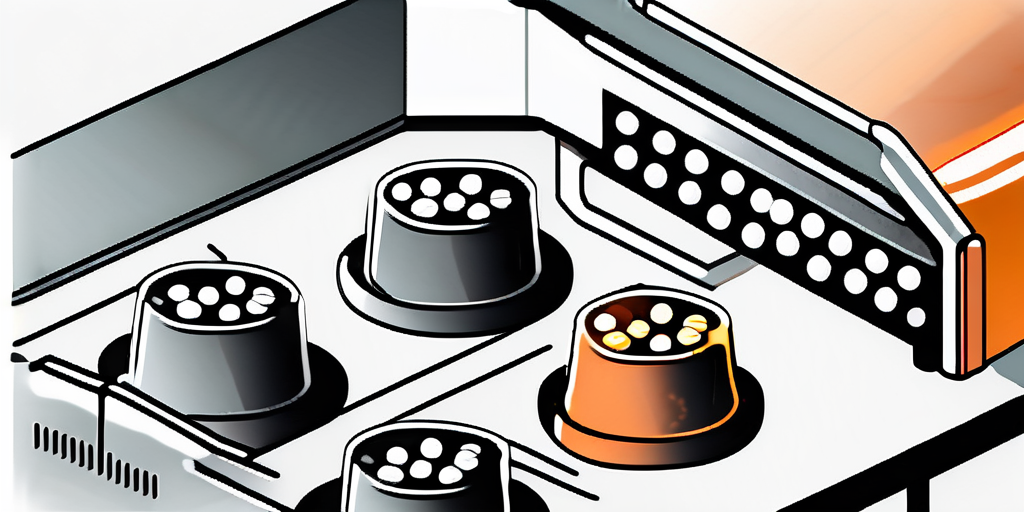
Each type of plastic has its own unique properties, including its melting point, viscosity, and thermal stability. These properties must be taken into account when setting up the melt process. For example, a plastic with a high melting point will require a higher barrel temperature than a plastic with a low melting point.
Type of Plastic
As mentioned, the type of plastic being used can greatly affect the melt process. Thermoplastics, for example, are a type of plastic that can be melted and reshaped multiple times without losing their properties. They have a wide range of melting points and viscosities, and each requires a specific set of processing conditions.
Thermosetting plastics, on the other hand, can only be melted and shaped once. Once they have been set, they cannot be melted again. This means that the melt process for thermosetting plastics must be carefully controlled to ensure that the plastic is fully melted and properly shaped before it sets.
Mold Design
The design of the mold can also have a significant impact on the melt process. The mold must be designed to allow for the flow of molten plastic, with channels and gates that guide the plastic into the cavities of the mold. If the mold is not properly designed, it can result in defects in the final part, such as warping or shrinkage.
The mold must also be designed to allow for cooling. Once the molten plastic has been injected into the mold, it must be cooled quickly and evenly to solidify it and maintain the shape of the part. If the mold does not allow for proper cooling, it can result in defects such as warping or sink marks.
Challenges in the Melt Process
The melt process in plastic injection molding is not without its challenges. One of the main challenges is maintaining consistent quality in the melt. This requires precise control over the temperature, pressure, and speed of the melt process.
Another challenge is dealing with different types of plastic. Each type of plastic has its own unique properties, and these properties can vary from batch to batch. This means that the melt process must be adjusted for each batch of plastic to ensure consistent quality in the final parts.
Quality Control in the Melt Process
Quality control in the melt process involves monitoring and controlling the temperature, pressure, and speed of the melt. This can be done using sensors and control systems that are integrated into the injection molding machine.
For example, temperature sensors can be used to monitor the temperature of the barrel and the molten plastic. If the temperature deviates from the set point, the control system can adjust the power to the heaters to bring the temperature back to the desired level. Similarly, pressure sensors can be used to monitor the pressure of the molten plastic, and the control system can adjust the speed of the screw to maintain the desired pressure.
Dealing with Different Types of Plastic
As mentioned, dealing with different types of plastic can be a challenge in the melt process. Each type of plastic has its own unique properties, and these properties can vary from batch to batch. This means that the melt process must be adjusted for each batch of plastic to ensure consistent quality in the final parts.
For example, if a batch of plastic has a higher melting point than the previous batch, the barrel temperature may need to be increased. Similarly, if a batch of plastic has a higher viscosity than the previous batch, the screw speed may need to be decreased to maintain the desired pressure. This requires a deep understanding of the properties of different types of plastic and the ability to adjust the melt process accordingly.
Advancements in the Melt Process
Over the years, there have been many advancements in the melt process in plastic injection molding. These advancements have improved the efficiency and quality of the process, and have made it possible to mold more complex and precise parts.
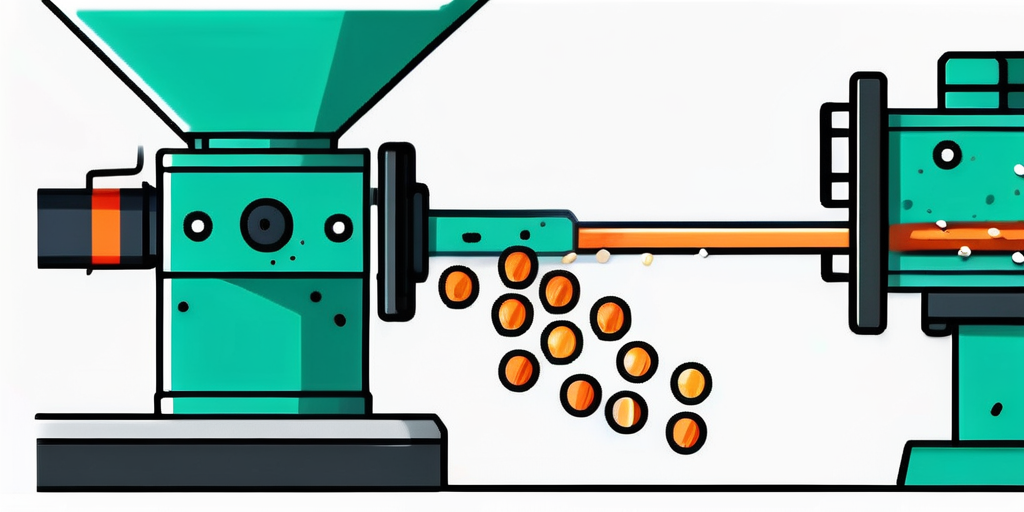
One of the main advancements has been the development of more sophisticated control systems. These systems use sensors and algorithms to monitor and control the temperature, pressure, and speed of the melt process in real time. This has made it possible to maintain a more consistent quality in the melt, and to adjust the process quickly and accurately in response to changes in the plastic or the environment.
Improved Control Systems
Improved control systems have made it possible to monitor and control the melt process in real time. These systems use sensors to measure the temperature, pressure, and speed of the melt, and algorithms to adjust the settings on the injection molding machine in response to these measurements.
For example, if the temperature sensor detects that the temperature of the barrel is too high, the control system can reduce the power to the heaters to bring the temperature down. Similarly, if the pressure sensor detects that the pressure of the molten plastic is too low, the control system can increase the speed of the screw to increase the pressure.
Advancements in Screw Design
There have also been advancements in screw design. Modern screws are designed with more precise and efficient feeding, compression, and metering zones. This has improved the efficiency of the melt process and the quality of the final parts.
For example, some modern screws are designed with a barrier flight in the metering zone. This barrier flight separates the molten plastic from the unmelted plastic, ensuring a more consistent and homogeneous melt. Other advancements in screw design include the use of wear-resistant materials and coatings, which increase the lifespan of the screw and reduce the risk of degradation in the melt.
Conclusion
In conclusion, the melt process in plastic injection molding is a complex and critical process that requires precise control and deep understanding. It involves the melting of plastic granules into a viscous fluid that can be injected into a mold to create a plastic part. The process must be carefully controlled to ensure that the plastic reaches the correct viscosity and temperature for injection.
Several factors can affect the melt process, including the type of plastic being used, the design of the mold, the settings on the injection molding machine, and the environmental conditions in the manufacturing facility. Despite these challenges, advancements in control systems and screw design have improved the efficiency and quality of the melt process, making it possible to produce more complex and precise plastic parts.