

Insert molding is a complex and intricate process within the broader field of plastic injection molding. This technique involves the injection of plastic around an insert, typically made of metal or plastic, that is placed into the mold before the molding process begins. The result is a single piece that incorporates the insert as an integral part of the final product. This method is widely used in various industries due to its ability to produce complex and high-quality parts in a cost-effective and efficient manner.
Understanding the intricacies of insert molding requires a deep dive into its various aspects, including its process, applications, advantages, and challenges. This comprehensive glossary article aims to provide a detailed explanation of these aspects, breaking down each element for a thorough understanding of this critical process in plastic injection molding.
Process of Insert Molding
The process of insert molding involves several key steps, each of which plays a crucial role in determining the quality and functionality of the final product. It begins with the placement of the insert into the mold, which is then closed and clamped. The plastic material is then heated until it reaches a molten state, after which it is injected into the mold. The molten plastic fills the mold cavity, encapsulating the insert. Once the plastic cools and solidifies, the mold is opened, and the part is ejected.
Each step in the process requires precision and careful control to ensure that the final product meets the desired specifications. The type of plastic used, the design of the mold, the temperature at which the plastic is heated, and the pressure at which it is injected all influence the quality of the final product. Therefore, understanding these factors and how to manipulate them is crucial for successful insert molding.
Insert Placement
The first step in the insert molding process involves the placement of the insert into the mold. This step is critical as the position of the insert determines the shape and functionality of the final product. The insert can be placed manually or using automated equipment, depending on the complexity of the part and the production volume. The insert must be positioned accurately to ensure that it is properly encapsulated by the plastic and that it does not shift during the molding process.
Once the insert is placed, the mold is closed and clamped to secure the insert in position and prepare for the injection of the plastic. The clamping force must be sufficient to withstand the pressure of the injected plastic and prevent the mold halves from separating. This ensures that the plastic flows smoothly around the insert and fills the mold cavity completely.
Plastic Injection
The next step in the insert molding process is the injection of the plastic. The plastic material, typically in the form of pellets, is fed into the injection molding machine where it is heated until it reaches a molten state. The temperature at which the plastic is heated depends on the type of plastic used and must be carefully controlled to ensure that the plastic flows smoothly and fills the mold cavity completely.
Once the plastic is molten, it is injected into the mold under high pressure. The pressure at which the plastic is injected is another critical factor that influences the quality of the final product. Too low pressure may result in incomplete filling of the mold cavity, while too high pressure may cause defects such as warping or flash. Therefore, the injection pressure must be carefully controlled to ensure that the plastic encapsulates the insert properly and fills the mold cavity completely.
Applications of Insert Molding
Insert molding is used in a wide range of industries due to its ability to produce complex and high-quality parts. Some of the key applications of insert molding include electrical components, medical devices, automotive parts, and consumer products. In each of these applications, insert molding offers significant advantages over other manufacturing methods, including improved part strength, reduced assembly time, and lower production costs.
For example, in the electronics industry, insert molding is used to produce components such as connectors, switches, and terminals. These parts often require the integration of metal inserts for electrical conductivity, which can be efficiently achieved through insert molding. Similarly, in the medical industry, insert molding is used to produce devices such as surgical instruments, drug delivery devices, and implantable devices. These parts often require the integration of metal or plastic inserts for functionality, which can be efficiently achieved through insert molding.
Electrical Components
Insert molding is widely used in the electronics industry due to its ability to produce complex and high-quality components. This method is particularly useful for producing parts that require the integration of metal inserts for electrical conductivity. Connectors, switches, and terminals are some of the key electrical components produced using insert molding. These parts often have complex geometries and require high precision, which can be efficiently achieved through insert molding.
By encapsulating the metal inserts with plastic, insert molding not only ensures electrical conductivity but also provides insulation and protection against environmental factors. This results in components that are durable, reliable, and capable of withstanding harsh operating conditions. Therefore, insert molding plays a critical role in the production of electrical components, contributing to the performance and longevity of electronic devices.
Medical Devices
Insert molding is also extensively used in the medical industry due to its ability to produce complex and high-quality devices. Surgical instruments, drug delivery devices, and implantable devices are some of the key medical devices produced using insert molding. These devices often require the integration of metal or plastic inserts for functionality, which can be efficiently achieved through insert molding.
For example, surgical instruments often require the integration of metal inserts for cutting, clamping, or suturing. By encapsulating these inserts with plastic, insert molding not only ensures functionality but also provides a comfortable and ergonomic grip for the surgeon. Similarly, drug delivery devices often require the integration of plastic inserts for dispensing medication. By encapsulating these inserts with plastic, insert molding not only ensures accurate dosage but also provides a user-friendly interface for the patient. Therefore, insert molding plays a critical role in the production of medical devices, contributing to the safety and effectiveness of medical procedures.
Advantages of Insert Molding
Insert molding offers several advantages over other manufacturing methods, making it a preferred choice for many industries. Some of the key advantages of insert molding include improved part strength, reduced assembly time, and lower production costs. By integrating the insert into the part during the molding process, insert molding eliminates the need for post-molding assembly, resulting in significant time and cost savings. Moreover, the encapsulation of the insert with plastic provides additional strength and durability, making the part more resistant to wear and tear.

Another significant advantage of insert molding is its ability to produce complex and high-quality parts. This method allows for the production of parts with intricate geometries and tight tolerances, which may not be achievable with other manufacturing methods. Furthermore, insert molding allows for the use of different types of inserts, including metal, plastic, and even electronic components, providing greater design flexibility and functionality. Therefore, insert molding is a versatile and efficient manufacturing method that offers significant benefits in terms of part quality, production speed, and cost-effectiveness.
Improved Part Strength
One of the key advantages of insert molding is the improved strength and durability of the final product. By integrating the insert into the part during the molding process, insert molding provides additional strength and support, making the part more resistant to wear and tear. The encapsulation of the insert with plastic also provides protection against environmental factors, further enhancing the durability of the part.
For example, in the production of electrical components, the encapsulation of metal inserts with plastic not only ensures electrical conductivity but also provides insulation and protection against moisture, heat, and other environmental factors. This results in components that are durable, reliable, and capable of withstanding harsh operating conditions. Therefore, the improved part strength is a significant advantage of insert molding that contributes to the performance and longevity of the final product.
Reduced Assembly Time
Another significant advantage of insert molding is the reduction in assembly time. By integrating the insert into the part during the molding process, insert molding eliminates the need for post-molding assembly. This results in significant time savings, especially in high-volume production. Moreover, by eliminating the need for separate assembly processes, insert molding also reduces the risk of assembly errors, further improving the quality of the final product.
For example, in the production of medical devices, the integration of metal or plastic inserts during the molding process eliminates the need for subsequent assembly processes, such as soldering or bonding. This not only reduces the production time but also ensures a more secure and reliable connection between the insert and the plastic part. Therefore, the reduction in assembly time is a significant advantage of insert molding that contributes to the efficiency and cost-effectiveness of the production process.
Challenges of Insert Molding
Despite its many advantages, insert molding also presents several challenges that must be carefully managed to ensure the quality and functionality of the final product. Some of the key challenges of insert molding include insert placement, mold design, and process control. Each of these challenges requires careful consideration and precise execution to ensure successful insert molding.
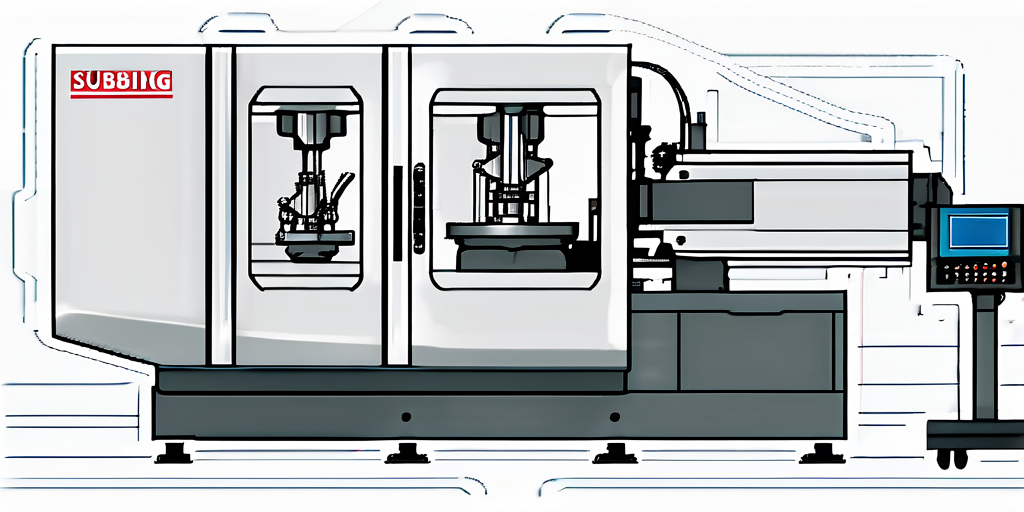
For example, accurate insert placement is critical to ensure that the insert is properly encapsulated by the plastic and that it does not shift during the molding process. Similarly, the design of the mold must account for the shape and size of the insert, as well as the flow and cooling of the plastic. Moreover, the process parameters, such as the temperature and pressure of the plastic injection, must be carefully controlled to prevent defects and ensure the quality of the final product. Therefore, understanding these challenges and how to overcome them is crucial for successful insert molding.
Insert Placement
One of the key challenges of insert molding is the accurate placement of the insert. The position of the insert determines the shape and functionality of the final product, making it a critical aspect of the insert molding process. The insert must be positioned accurately to ensure that it is properly encapsulated by the plastic and that it does not shift during the molding process. This requires precision and careful control, especially in high-volume production.
Manual insert placement can be time-consuming and prone to errors, especially for complex parts or small inserts. Automated insert placement, on the other hand, can increase efficiency and accuracy, but it requires sophisticated equipment and programming. Therefore, managing the challenge of insert placement is crucial for successful insert molding, and it often involves a balance between manual and automated processes, depending on the complexity of the part and the production volume.
Mold Design
Another significant challenge of insert molding is the design of the mold. The mold must account for the shape and size of the insert, as well as the flow and cooling of the plastic. This requires a deep understanding of the properties of the plastic material and the dynamics of the injection molding process. Moreover, the mold must be designed to facilitate the ejection of the part without damaging the insert or the plastic.
The design of the mold is particularly challenging for parts with complex geometries or multiple inserts. In such cases, the mold must be designed to ensure that the plastic flows smoothly around the inserts and fills the mold cavity completely. This often involves the use of advanced mold design software and simulation tools to predict the flow and cooling of the plastic and optimize the mold design. Therefore, managing the challenge of mold design is crucial for successful insert molding, and it requires a combination of technical knowledge, experience, and advanced tools.
Conclusion
Insert molding is a complex and intricate process within the broader field of plastic injection molding. It involves the injection of plastic around an insert, resulting in a single piece that incorporates the insert as an integral part of the final product. This method offers significant advantages, including improved part strength, reduced assembly time, and lower production costs. However, it also presents several challenges, including insert placement, mold design, and process control, which must be carefully managed to ensure the quality and functionality of the final product.

Understanding the intricacies of insert molding requires a deep dive into its various aspects, including its process, applications, advantages, and challenges. This comprehensive glossary article has provided a detailed explanation of these aspects, breaking down each element for a thorough understanding of this critical process in plastic injection molding. With this knowledge, one can appreciate the complexity and sophistication of insert molding and its significant role in various industries, from electronics and medical devices to automotive parts and consumer products.