

Plastic injection molding is a manufacturing process that involves the injection of molten plastic into a mold to create a desired shape. One of the key considerations in this process is the heat resistance of the plastic material being used. This article delves into the concept of heat resistance in the context of plastic injection molding, exploring its importance, how it is measured, and how it impacts the overall process and final product.
Understanding heat resistance in plastic injection molding is crucial for manufacturers and engineers alike. It can influence the choice of plastic material, the design of the mold, the settings of the injection molding machine, and the quality control measures put in place. This comprehensive glossary article will provide a detailed explanation of all these aspects.
Understanding Heat Resistance
Heat resistance refers to the ability of a material to maintain its physical and chemical properties when exposed to high temperatures. In the context of plastic injection molding, it is a measure of how well a plastic material can withstand the heat of the molding process without deforming, melting, or burning.
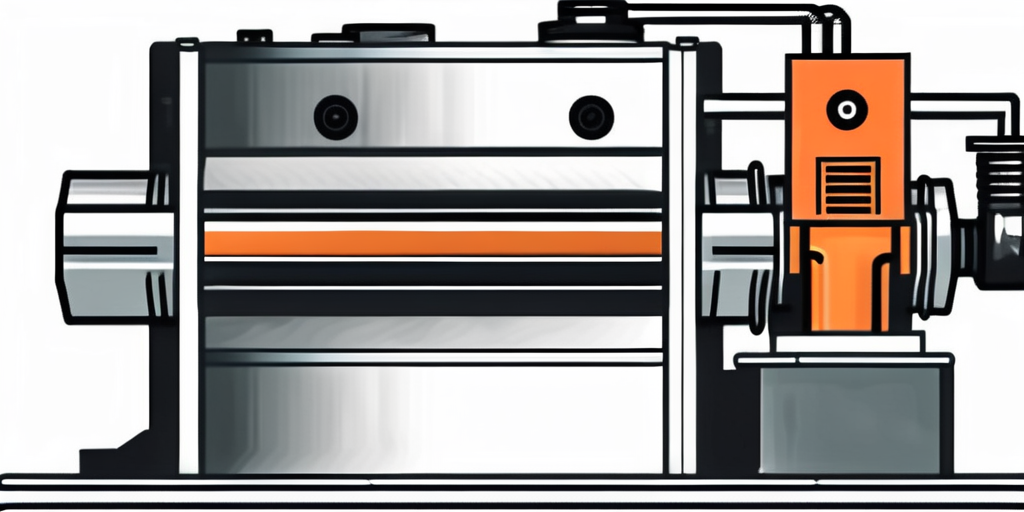
Heat resistance is not a fixed property of a material. It can vary depending on several factors, including the type of plastic, the additives used, and the specific conditions of the molding process. Therefore, it’s crucial to understand how these factors interact and how they can be controlled to ensure optimal heat resistance.
Types of Plastic and Their Heat Resistance
There are many types of plastic materials, each with its own unique set of properties, including heat resistance. For instance, thermosetting plastics, such as epoxy and phenolic resins, have high heat resistance due to their cross-linked molecular structure. On the other hand, thermoplastics, such as polyethylene and polypropylene, have lower heat resistance but offer more flexibility in terms of molding and reshaping.
It’s important to note that the heat resistance of a plastic material is not the only factor to consider when choosing a material for injection molding. Other properties, such as strength, flexibility, and cost, also play a significant role. Therefore, the choice of plastic material should be based on a balance of these properties, taking into account the specific requirements of the product being manufactured.
Role of Additives in Heat Resistance
Additives are substances added to plastic materials to enhance or modify their properties. In the context of heat resistance, additives can play a crucial role. For instance, heat stabilizers are used to prevent or reduce the degradation of plastic materials at high temperatures. These can be particularly useful in injection molding processes where the plastic material is exposed to high heat for extended periods.
Other types of additives can also influence heat resistance. For example, fillers can increase the thermal conductivity of the plastic material, allowing it to dissipate heat more effectively and thus resist deformation at high temperatures. However, the use of additives must be carefully controlled, as they can also affect other properties of the plastic material, such as its strength and flexibility.
Measuring Heat Resistance
Heat resistance in plastic materials is typically measured using a variety of tests. These tests are designed to simulate the conditions that the material will be exposed to during the injection molding process and assess how well it can withstand these conditions without degrading.
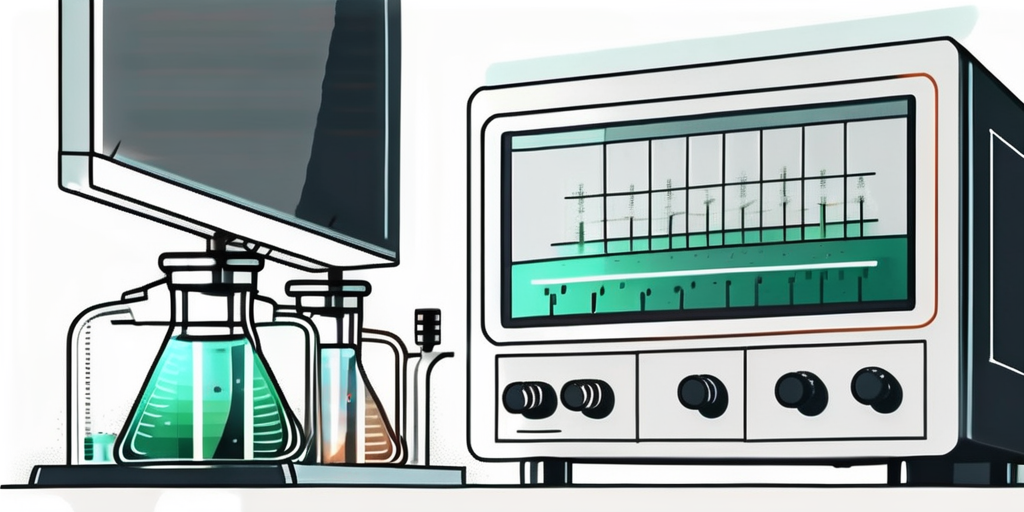
One common method of measuring heat resistance is the heat deflection temperature (HDT) test. This test measures the temperature at which a plastic material deforms under a specified load. Another method is the Vicat softening temperature test, which measures the temperature at which a plastic material softens under a specific load. Both of these tests provide valuable information about the heat resistance of a plastic material and can help guide the choice of material for injection molding.
Importance of Testing Heat Resistance
Testing the heat resistance of a plastic material before using it in injection molding is crucial for several reasons. First, it provides a benchmark for the material’s performance under high heat conditions. This can help manufacturers and engineers predict how the material will behave during the molding process and adjust the process parameters accordingly.
Second, testing heat resistance can help identify potential issues with the material that could affect the quality of the final product. For instance, if a material has low heat resistance, it may deform or burn during the molding process, leading to defects in the final product. By identifying these issues early on, manufacturers can take steps to mitigate them and ensure the quality of their products.
Interpreting Heat Resistance Test Results
Interpreting the results of heat resistance tests requires a good understanding of the material’s properties and the specific conditions of the injection molding process. For instance, a high HDT or Vicat softening temperature indicates high heat resistance, but it does not necessarily mean that the material is suitable for all injection molding applications. Other factors, such as the material’s strength, flexibility, and cost, must also be considered.
Furthermore, the results of heat resistance tests should be interpreted in the context of the specific requirements of the product being manufactured. For example, if the product needs to withstand high temperatures in its end-use environment, a material with high heat resistance would be desirable. On the other hand, if the product does not need to withstand high temperatures, a material with lower heat resistance may be sufficient and more cost-effective.
Heat Resistance and the Injection Molding Process
The heat resistance of a plastic material can significantly impact the injection molding process. It can influence the settings of the injection molding machine, the design of the mold, and the quality control measures put in place.
For instance, if a material has high heat resistance, the injection molding machine may need to be set at a higher temperature to ensure that the material fully melts and fills the mold. This could increase the energy consumption of the machine and potentially affect the cycle time of the process. On the other hand, if a material has low heat resistance, the machine may need to be set at a lower temperature to prevent the material from degrading. This could limit the range of materials that can be used in the machine and potentially affect the quality of the final product.
Impact on Mold Design
The heat resistance of a plastic material can also impact the design of the mold used in the injection molding process. For instance, if a material has high heat resistance, the mold may need to be designed with thicker walls or more complex cooling systems to ensure that the material cools and solidifies properly. This could increase the complexity and cost of the mold.
On the other hand, if a material has low heat resistance, the mold may need to be designed with thinner walls or simpler cooling systems to prevent the material from overheating and degrading. This could limit the range of designs that can be achieved with the mold and potentially affect the aesthetics and functionality of the final product.
Quality Control Considerations
Quality control in plastic injection molding involves monitoring and controlling the process to ensure that the final product meets the desired specifications. The heat resistance of the plastic material is one of the key factors that need to be controlled.
If a material has high heat resistance, it may be more difficult to ensure that it fully melts and fills the mold, leading to potential defects in the final product. Therefore, quality control measures may need to include regular checks of the machine’s temperature settings and the material’s melting behavior. On the other hand, if a material has low heat resistance, it may be more prone to degradation during the molding process. Therefore, quality control measures may need to include regular checks of the material’s condition and the machine’s temperature settings.
Improving Heat Resistance
There are several ways to improve the heat resistance of a plastic material for injection molding. These include modifying the material’s composition, using additives, and optimizing the molding process.
Modifying the material’s composition involves changing the type of plastic or the ratio of the components in the material. For instance, using a thermosetting plastic instead of a thermoplastic can increase heat resistance. However, this may also affect other properties of the material, such as its strength and flexibility, so it should be done with caution.
Use of Additives
As mentioned earlier, additives can be used to enhance the heat resistance of a plastic material. Heat stabilizers can prevent or reduce degradation at high temperatures, while fillers can increase the material’s thermal conductivity, allowing it to dissipate heat more effectively. However, the use of additives must be carefully controlled, as they can also affect other properties of the material.
It’s also worth noting that not all additives are suitable for all types of plastic materials. Therefore, the choice of additive should be based on the specific type of plastic and the requirements of the injection molding process and final product.
Optimizing the Molding Process
Optimizing the injection molding process can also improve the heat resistance of the plastic material. This involves adjusting the settings of the injection molding machine, such as the temperature, pressure, and injection speed, to ensure that the material fully melts and fills the mold without degrading.
Other process parameters, such as the cooling time and the mold design, can also be optimized to improve heat resistance. For instance, increasing the cooling time can allow the material to solidify more slowly, reducing the risk of deformation at high temperatures. Similarly, designing the mold with thicker walls or more complex cooling systems can help ensure that the material cools and solidifies properly.
Conclusion
Heat resistance is a crucial factor in plastic injection molding. It influences the choice of plastic material, the design of the mold, the settings of the injection molding machine, and the quality control measures put in place. Understanding and controlling heat resistance can help manufacturers and engineers optimize the injection molding process and ensure the quality of their products.

While this glossary article has provided a comprehensive overview of heat resistance in plastic injection molding, it’s important to note that this is a complex topic with many variables. Therefore, further study and experimentation may be needed to fully understand and control heat resistance in specific injection molding applications.