

Flowability is a crucial concept in the field of plastic injection molding. It refers to the ease with which a molten plastic material can flow into and fill the mold during the injection molding process. The flowability of a plastic material significantly influences the quality of the final product, as it affects the filling of the mold, the replication of the mold’s details, and the occurrence of defects such as short shots and weld lines.
Understanding flowability is essential for anyone involved in the design, production, or quality control of plastic injection molded parts. This article will delve into the concept of flowability, its importance in plastic injection molding, the factors that influence it, and how it can be measured and controlled.
Understanding Flowability in Plastic Injection Molding
Flowability is a measure of how easily a plastic material can flow when it is in a molten state. In the context of plastic injection molding, flowability is a critical property as it determines how well the molten plastic can fill the mold and replicate its intricate details. Poor flowability can result in incomplete filling of the mold, leading to defects such as short shots, where the plastic does not fill the entire mold, and weld lines, where two flow fronts meet and fail to merge properly.
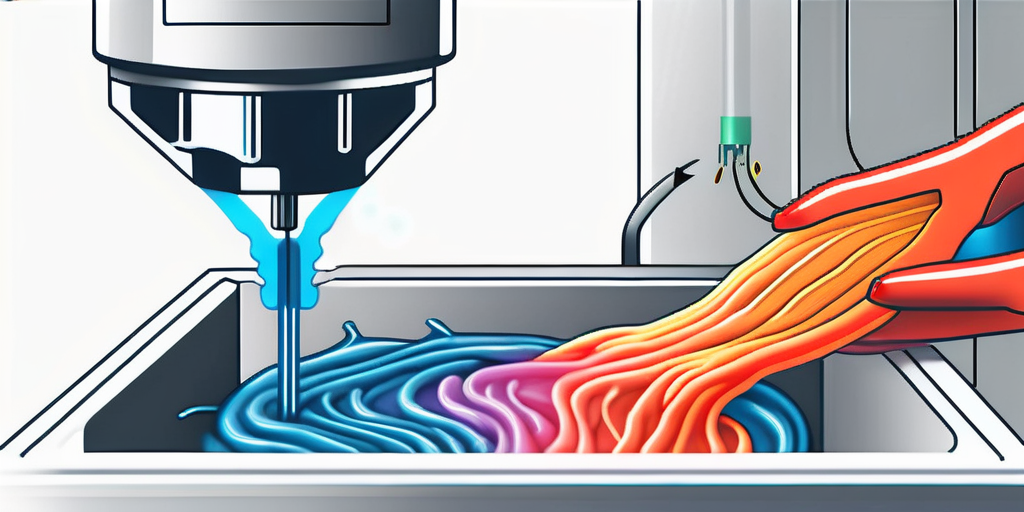
Flowability is not a fixed property of a plastic material but can vary depending on several factors, including the material’s temperature, pressure, and shear rate. For instance, increasing the temperature or pressure can improve the flowability of a plastic material by reducing its viscosity. Similarly, a high shear rate can also enhance flowability by inducing shear thinning, a phenomenon where the viscosity of a material decreases under shear stress.
Importance of Flowability in Plastic Injection Molding
Flowability plays a pivotal role in the quality of plastic injection molded parts. A plastic material with good flowability can fill the mold more easily and accurately, resulting in parts with better dimensional accuracy and surface finish. It also enables the production of parts with complex geometries and fine details, as the molten plastic can flow into and fill the intricate features of the mold.
On the other hand, poor flowability can lead to various defects in the molded parts. For example, if the plastic material does not have sufficient flowability to fill the entire mold, it can result in short shots. Similarly, if the plastic material has poor flowability, it can lead to weld lines, where two flow fronts meet but do not merge properly, resulting in a visible line on the surface of the part. Therefore, controlling the flowability of the plastic material is crucial for ensuring the quality of the molded parts.
Factors Influencing Flowability
Several factors can influence the flowability of a plastic material in injection molding. These include the material’s temperature, pressure, and shear rate, as well as the design of the mold and the injection speed. For instance, increasing the temperature or pressure can enhance the flowability of the plastic material by reducing its viscosity. Similarly, a high shear rate can improve flowability by inducing shear thinning.
The design of the mold and the injection speed can also affect the flowability of the plastic material. A mold with a complex design or small features can impede the flow of the molten plastic, reducing its flowability. Similarly, a high injection speed can increase the shear rate, enhancing the flowability of the plastic material. Therefore, these factors need to be carefully considered and controlled during the injection molding process to ensure optimal flowability.
Measuring Flowability in Plastic Injection Molding
Flowability in plastic injection molding can be measured using several methods. One common method is the melt flow index (MFI) test, which measures the flowability of a plastic material under specific conditions of temperature and pressure. The MFI is expressed in grams per 10 minutes, with a higher MFI indicating better flowability.
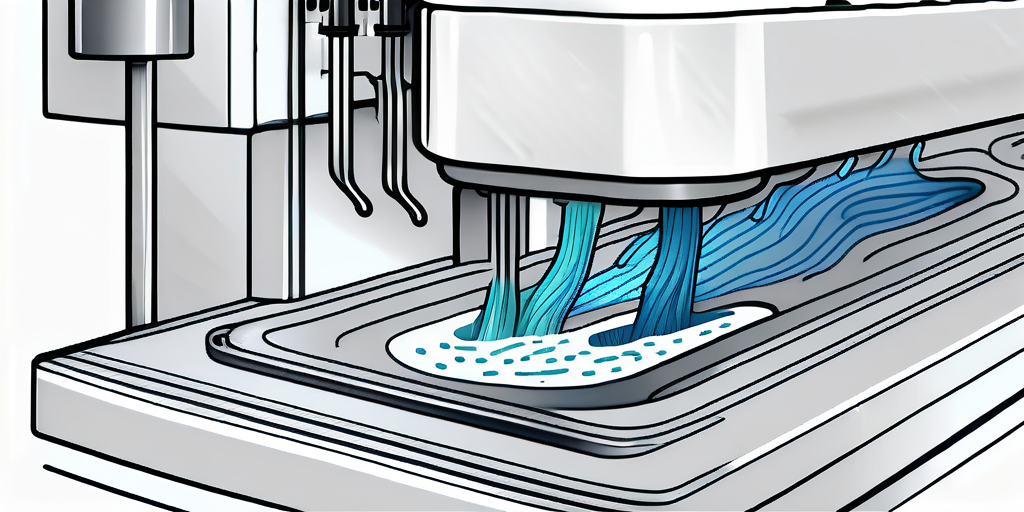
Another method for measuring flowability is the spiral flow test, which measures the length of a plastic material that can flow in a spiral mold under specific conditions. The spiral flow length is a direct measure of the material’s flowability, with a longer spiral flow length indicating better flowability. Other methods for measuring flowability include the capillary rheometer test and the parallel plate rheometer test, which measure the viscosity of the plastic material under different conditions of temperature, pressure, and shear rate.
The Melt Flow Index Test
The melt flow index (MFI) test is a standard method for measuring the flowability of a plastic material in injection molding. The test involves heating a sample of the plastic material to a specified temperature, applying a specified load, and measuring the amount of material that flows through a capillary in a given time. The MFI is expressed in grams per 10 minutes, with a higher MFI indicating better flowability.
The MFI test provides a simple and quick measure of flowability, but it has some limitations. For instance, it does not account for the effects of pressure and shear rate on flowability, and it may not accurately reflect the flow behavior of the plastic material under the actual conditions of injection molding. Therefore, the MFI test is often used in conjunction with other tests to provide a more comprehensive assessment of flowability.
The Spiral Flow Test
The spiral flow test is another common method for measuring the flowability of a plastic material in injection molding. The test involves injecting the molten plastic into a spiral mold under specific conditions and measuring the length of the plastic that can flow in the mold. The spiral flow length is a direct measure of the material’s flowability, with a longer spiral flow length indicating better flowability.
The spiral flow test provides a more realistic measure of flowability than the MFI test, as it reflects the flow behavior of the plastic material under the actual conditions of injection molding. However, the test requires a special mold and equipment, and it can be more time-consuming and costly than the MFI test. Therefore, the spiral flow test is typically used for more critical applications where a high level of accuracy and precision is required.
Controlling Flowability in Plastic Injection Molding
Controlling the flowability of a plastic material in injection molding is crucial for ensuring the quality of the molded parts. This can be achieved by adjusting the processing conditions, such as the temperature, pressure, and injection speed, as well as the design of the mold. For instance, increasing the temperature or pressure can enhance the flowability of the plastic material by reducing its viscosity. Similarly, a high injection speed can increase the shear rate, improving the flowability.
The design of the mold can also affect the flowability of the plastic material. A mold with a complex design or small features can impede the flow of the molten plastic, reducing its flowability. Therefore, the mold design needs to be carefully optimized to ensure optimal flowability. In addition, the use of flow aids, such as plasticizers and lubricants, can also help to improve the flowability of the plastic material.
Adjusting Processing Conditions
Adjusting the processing conditions is one of the most effective ways to control the flowability of a plastic material in injection molding. This involves manipulating the temperature, pressure, and injection speed to optimize the flowability. For instance, increasing the temperature can reduce the viscosity of the plastic material, enhancing its flowability. Similarly, increasing the pressure can help to force the molten plastic into the mold, improving the flowability.
The injection speed can also have a significant impact on the flowability. A high injection speed can increase the shear rate, which can enhance the flowability by inducing shear thinning. However, a too high injection speed can also cause excessive shear stress, which can lead to degradation of the plastic material and reduce its flowability. Therefore, the injection speed needs to be carefully controlled to achieve optimal flowability.
Optimizing Mold Design
The design of the mold can significantly influence the flowability of a plastic material in injection molding. A mold with a complex design or small features can impede the flow of the molten plastic, reducing its flowability. Therefore, the mold design needs to be carefully optimized to ensure optimal flowability. This involves considering factors such as the size and shape of the mold cavities, the thickness of the walls, and the location and size of the gates and runners.
For instance, a mold with large cavities and thick walls can facilitate the flow of the molten plastic, enhancing its flowability. Similarly, the location and size of the gates and runners can affect the flow path of the molten plastic, influencing its flowability. Therefore, these factors need to be carefully considered and optimized during the mold design process to ensure optimal flowability.
Conclusion
Flowability is a critical concept in plastic injection molding, influencing the quality of the molded parts. It refers to the ease with which a molten plastic material can flow into and fill the mold, and it can be influenced by several factors, including the material’s temperature, pressure, and shear rate, as well as the design of the mold and the injection speed.

Understanding and controlling flowability is essential for anyone involved in the design, production, or quality control of plastic injection molded parts. This involves measuring the flowability using methods such as the MFI test and the spiral flow test, and controlling the flowability by adjusting the processing conditions and optimizing the mold design. By doing so, it is possible to produce high-quality plastic injection molded parts with optimal dimensional accuracy, surface finish, and detail replication.