

The draft angle, a critical concept in the field of plastic injection molding, refers to the degree of taper or slope given to the cores or cavities of the mold to facilitate the ejection of the molded part. This article delves into the intricacies of the draft angle, its importance, calculation, and application in the plastic injection molding process.
Understanding the draft angle is essential for anyone involved in the design, manufacturing, or quality control of plastic parts. It plays a significant role in ensuring the smooth production of high-quality, consistent parts and preventing defects, damage, or production delays. This comprehensive guide will provide an in-depth understanding of the draft angle and its role in plastic injection molding.
Concept of Draft Angle
The draft angle is a fundamental concept in mold design. It is the slight taper given to the vertical walls of the mold, which helps in the easy removal of the plastic part after it has been molded. Without a proper draft angle, the part may stick to the mold, leading to damage or deformation during ejection.
The draft angle is usually measured in degrees from the vertical. A larger draft angle means a more significant taper, which can facilitate easier part ejection but may also affect the part’s dimensions and appearance. Therefore, determining the right draft angle is a delicate balance between ease of ejection and part specifications.
Importance of Draft Angle
The draft angle is crucial for several reasons. Firstly, it prevents the molded part from sticking to the mold, which can cause damage or deformation. A stuck part can also disrupt the production process, leading to delays and increased costs.
Secondly, the draft angle helps maintain the quality and consistency of the molded parts. A consistent draft angle ensures that all parts are ejected smoothly and have the same dimensions and appearance. This is particularly important in mass production, where consistency is key to efficiency and customer satisfaction.
Factors Influencing Draft Angle
Several factors influence the choice of draft angle in plastic injection molding. These include the material used, the part’s geometry, the mold design, and the molding process parameters. Different materials have different shrinkage rates, which can affect the ease of part ejection and thus the required draft angle.
The part’s geometry also plays a role. Complex shapes or deep cavities may require a larger draft angle to ensure smooth ejection. Similarly, the mold design and process parameters, such as the ejection mechanism and molding pressure, can also influence the draft angle.
Calculating the Draft Angle
The draft angle is typically calculated as a function of the part’s height and the desired ease of ejection. The taller the part, the larger the draft angle needed to ensure smooth ejection. However, as mentioned earlier, a larger draft angle can affect the part’s dimensions and appearance, so it’s important to find the right balance.
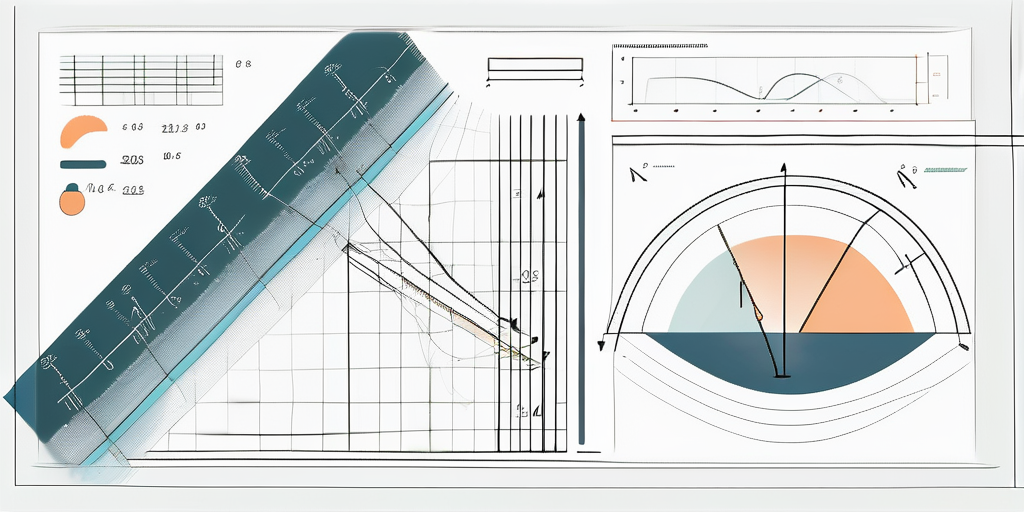
There are various formulas and guidelines available for calculating the draft angle, but it ultimately depends on the specific requirements of the part and the molding process. It’s also important to consider the material’s shrinkage rate, as this can affect the final dimensions of the part after it has cooled and ejected from the mold.
Standard Draft Angles
While the exact draft angle can vary depending on the specific circumstances, there are some standard draft angles commonly used in the industry. For example, a draft angle of 1-2 degrees is often used for large, simple parts, while a draft angle of 3-5 degrees may be used for smaller, more complex parts.
These standard draft angles serve as a starting point, but they may need to be adjusted based on the material, part geometry, mold design, and process parameters. It’s always a good idea to consult with a mold design expert or use mold design software to determine the optimal draft angle.
Adjusting the Draft Angle
Adjusting the draft angle can be a complex process, as it involves changing the mold design and potentially the molding process parameters. It’s important to make these adjustments carefully to avoid causing other issues, such as warping or dimensional inaccuracies.
When adjusting the draft angle, it’s also important to consider the impact on the part’s function and appearance. A larger draft angle may make ejection easier, but it can also change the part’s shape or create visible lines on the surface. Therefore, any adjustments should be made with a thorough understanding of their potential effects.
Application of Draft Angle in Plastic Injection Molding
The draft angle is applied in the design and manufacturing of the mold used in plastic injection molding. It’s incorporated into the mold’s cores and cavities to ensure that the molded part can be easily ejected without damage or deformation.

The draft angle is also considered when designing the part itself. Designers need to take into account the draft angle when determining the part’s dimensions and geometry to ensure that it can be molded and ejected smoothly. This often involves using CAD software or other design tools that can simulate the molding process and calculate the optimal draft angle.
Role in Mold Design
The draft angle plays a critical role in mold design. It’s one of the key factors that mold designers consider when creating the cores and cavities of the mold. A well-designed mold with the appropriate draft angles can significantly improve the efficiency and quality of the molding process.
Mold designers also need to consider the draft angle when designing the ejection mechanism. The ejector pins, which push the part out of the mold, need to be positioned and angled correctly to work with the draft angles and ensure smooth ejection. This requires a deep understanding of the molding process and the specific requirements of the part.
Role in Part Design
The draft angle also plays a role in part design. Designers need to consider the draft angle when determining the part’s dimensions and geometry. This can be a complex task, as it involves balancing the need for easy ejection with the part’s functional and aesthetic requirements.
Designers often use CAD software or other design tools to simulate the molding process and calculate the optimal draft angle. These tools can also help identify potential issues, such as areas where the part may stick to the mold, and suggest solutions, such as adjusting the draft angle or modifying the part’s design.
Common Challenges and Solutions
Despite its importance, applying the draft angle in plastic injection molding can present several challenges. These include determining the optimal draft angle, adjusting the mold design, and balancing the need for easy ejection with the part’s specifications.
However, these challenges can be overcome with careful planning, expert knowledge, and the use of advanced design tools. By understanding the role of the draft angle and how to apply it effectively, manufacturers can improve the efficiency and quality of their molding process and produce high-quality, consistent parts.
Challenge: Determining the Optimal Draft Angle
Determining the optimal draft angle can be a complex task, as it involves considering various factors, such as the material, part geometry, mold design, and process parameters. It also requires a deep understanding of the molding process and the specific requirements of the part.
One solution to this challenge is to use mold design software or other design tools that can simulate the molding process and calculate the optimal draft angle. These tools can also help identify potential issues and suggest solutions, making the task of determining the draft angle easier and more accurate.
Challenge: Adjusting the Mold Design
Adjusting the mold design to incorporate the draft angle can also be challenging. It involves changing the cores and cavities of the mold, which can be a complex and time-consuming process. It also requires a deep understanding of the molding process and the specific requirements of the part.
One solution to this challenge is to work with a mold design expert or use mold design software. These resources can provide guidance and tools to make the process of adjusting the mold design easier and more accurate. They can also help ensure that the draft angle is incorporated correctly and effectively into the mold design.
Challenge: Balancing Ejection Ease with Part Specifications
One of the biggest challenges with the draft angle is balancing the need for easy ejection with the part’s specifications. A larger draft angle can make ejection easier, but it can also change the part’s dimensions and appearance. This can be a difficult balance to strike, especially for complex parts or high-precision applications.
One solution to this challenge is to use design tools that can simulate the molding process and calculate the impact of different draft angles on the part’s dimensions and appearance. These tools can help designers find the optimal balance between ejection ease and part specifications, ensuring that the final part meets all its functional and aesthetic requirements.
Conclusion
The draft angle is a critical concept in plastic injection molding, playing a crucial role in the design and manufacturing of the mold and the molded part. By understanding the draft angle and how to apply it effectively, manufacturers can improve the efficiency and quality of their molding process and produce high-quality, consistent parts.
Despite the challenges associated with applying the draft angle, they can be overcome with careful planning, expert knowledge, and the use of advanced design tools. As the field of plastic injection molding continues to evolve, the understanding and application of the draft angle will continue to be a key factor in the success of the molding process.