

Cycle time is a critical term in the field of plastic injection molding. It refers to the total time required to complete one cycle of an injection molding machine. The cycle time can be divided into different stages, each of which contributes to the overall time taken for the production of a single plastic part. Understanding cycle time is essential for optimizing the efficiency and productivity of a plastic injection molding operation.
The cycle time of a plastic injection molding process is influenced by various factors, including the type of plastic material used, the design of the mold, the machine settings, and the cooling time. By managing these factors effectively, manufacturers can reduce cycle time, increase output, and improve the overall efficiency of their operations.
Components of Cycle Time
The cycle time in plastic injection molding is composed of several distinct stages. Each stage has its own time requirements and contributes to the total cycle time. The main components of cycle time are the injection time, the cooling time, and the ejection time.
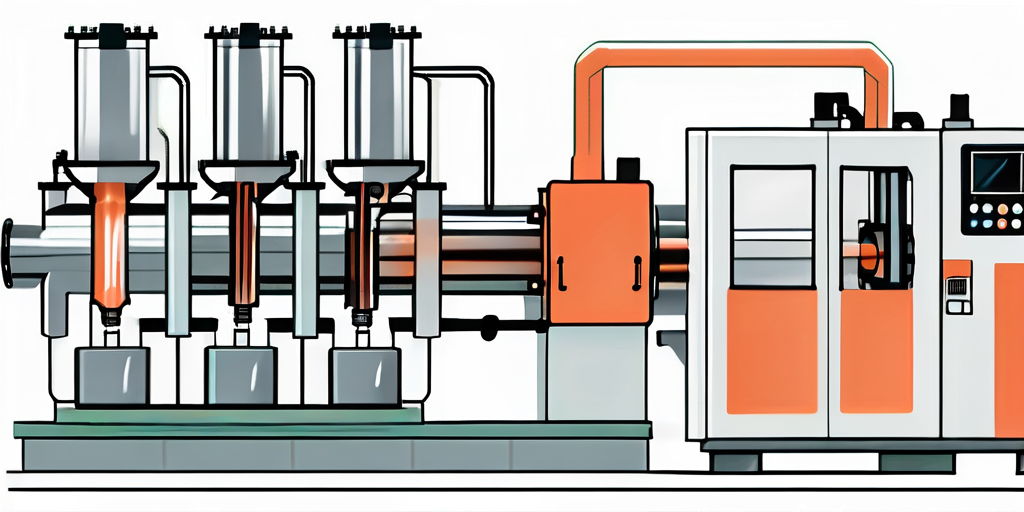
Injection time refers to the time taken to inject the molten plastic into the mold. This time depends on the volume of the plastic part and the injection speed. Cooling time is the time taken for the plastic part to cool and solidify inside the mold. This is typically the longest part of the cycle time. Ejection time is the time taken to remove the cooled plastic part from the mold.
Injection Time
The injection time is determined by the volume of the plastic part and the injection speed. The injection speed must be carefully controlled to ensure that the molten plastic fills the mold evenly and completely. If the injection speed is too fast, it can cause the plastic to warp or create voids in the part. If the injection speed is too slow, it can lead to incomplete filling of the mold.
The injection time can be reduced by increasing the injection speed, but this must be done carefully to avoid the aforementioned problems. The injection time can also be reduced by optimizing the design of the mold to allow for more efficient filling.
Cooling Time
The cooling time is the longest component of the cycle time in plastic injection molding. It is the time taken for the molten plastic to cool and solidify inside the mold. The cooling time is determined by the thickness of the plastic part, the type of plastic material used, and the cooling system of the mold.
The cooling time can be reduced by using a plastic material with a lower melting point, or by improving the cooling system of the mold. However, reducing the cooling time too much can lead to problems such as warping or shrinkage of the plastic part.
Ejection Time
The ejection time is the time taken to remove the cooled plastic part from the mold. This time is usually very short compared to the injection and cooling times. However, it can still have a significant impact on the total cycle time if the ejection process is not efficient.
The ejection time can be reduced by optimizing the design of the mold to allow for easier removal of the plastic part. The ejection process can also be automated to increase efficiency.
Factors Influencing Cycle Time
There are several factors that can influence the cycle time in plastic injection molding. These include the type of plastic material used, the design of the mold, the machine settings, and the cooling system.
The type of plastic material used can have a significant impact on the cycle time. Different types of plastic have different melting points, which can affect the injection and cooling times. The design of the mold can also influence the cycle time. A well-designed mold can allow for more efficient injection and ejection of the plastic part, reducing the cycle time.
Type of Plastic Material
The type of plastic material used in the injection molding process can significantly influence the cycle time. Different types of plastic have different melting points and cooling rates. Plastics with a lower melting point and faster cooling rate can reduce the injection and cooling times, respectively.
However, the choice of plastic material must also take into account other factors such as the desired properties of the final product, the cost of the material, and the environmental impact of its production and disposal.
Mold Design
The design of the mold can also have a significant impact on the cycle time. A well-designed mold can allow for more efficient injection and ejection of the plastic part, reducing the cycle time. The design of the mold must also ensure that the plastic part can be cooled evenly and quickly to prevent warping or shrinkage.
The mold design can be optimized by using computer-aided design (CAD) and computer-aided manufacturing (CAM) software. These tools can help to create a mold design that maximizes efficiency and minimizes cycle time.
Machine Settings
The settings of the injection molding machine can also influence the cycle time. These settings include the injection speed, the pressure, the temperature, and the cooling system. By optimizing these settings, manufacturers can reduce the cycle time and increase the efficiency of their operations.
The optimal settings for an injection molding machine depend on various factors, including the type of plastic material used, the design of the mold, and the desired properties of the final product. These factors must be carefully considered when setting up the machine to ensure that the cycle time is minimized without compromising the quality of the plastic part.
Cooling System
The cooling system of the mold is another important factor that can influence the cycle time. A well-designed cooling system can reduce the cooling time by ensuring that the plastic part is cooled evenly and quickly. This can prevent problems such as warping or shrinkage of the plastic part.
The cooling system can be optimized by using advanced cooling technologies, such as conformal cooling channels, which can provide more efficient and uniform cooling. The cooling system must also be properly maintained to ensure its effectiveness and longevity.
Optimizing Cycle Time
Optimizing the cycle time in plastic injection molding is a complex task that requires a thorough understanding of the process and its various components. By managing the factors that influence cycle time effectively, manufacturers can reduce cycle time, increase output, and improve the overall efficiency of their operations.
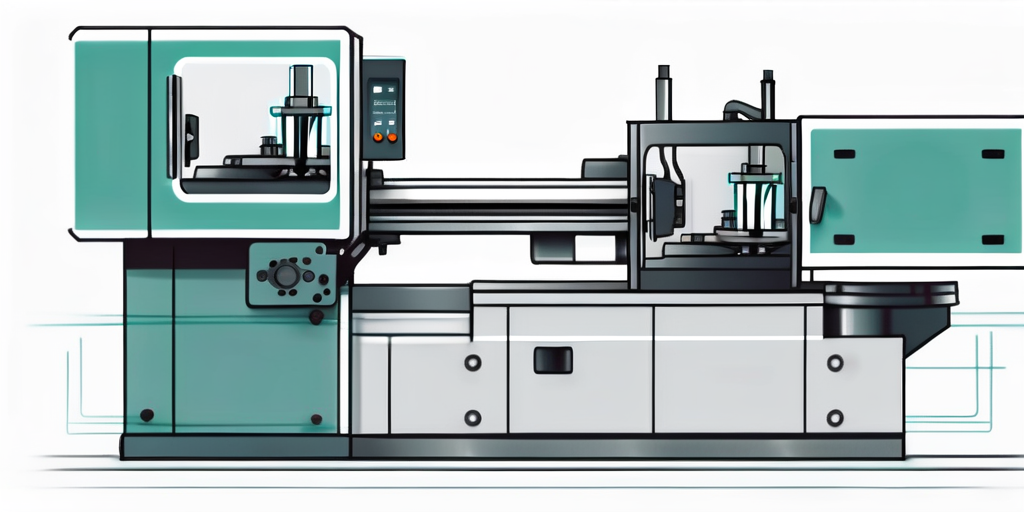
Some strategies for optimizing cycle time include using a plastic material with a lower melting point and faster cooling rate, optimizing the design of the mold, optimizing the settings of the injection molding machine, and improving the cooling system of the mold.
Material Selection
Selecting the right plastic material can significantly reduce the cycle time. Plastics with a lower melting point and faster cooling rate can reduce the injection and cooling times, respectively. However, the choice of plastic material must also take into account other factors such as the desired properties of the final product, the cost of the material, and the environmental impact of its production and disposal.
Manufacturers can work with material suppliers to select the most suitable plastic material for their specific application. They can also conduct tests to determine the optimal processing conditions for the selected material.
Mold Design Optimization
Optimizing the design of the mold can also help to reduce the cycle time. A well-designed mold can allow for more efficient injection and ejection of the plastic part, reducing the cycle time. The design of the mold must also ensure that the plastic part can be cooled evenly and quickly to prevent warping or shrinkage.
Manufacturers can use computer-aided design (CAD) and computer-aided manufacturing (CAM) software to create a mold design that maximizes efficiency and minimizes cycle time. They can also work with mold designers and engineers to optimize the mold design based on their specific requirements and constraints.
Machine Settings Optimization
Optimizing the settings of the injection molding machine can also help to reduce the cycle time. These settings include the injection speed, the pressure, the temperature, and the cooling system. By optimizing these settings, manufacturers can reduce the cycle time and increase the efficiency of their operations.
Manufacturers can work with machine suppliers and technicians to determine the optimal settings for their specific application. They can also conduct tests to validate the settings and make necessary adjustments based on the results.
Cooling System Improvement
Improving the cooling system of the mold can significantly reduce the cooling time, which is typically the longest component of the cycle time. A well-designed cooling system can ensure that the plastic part is cooled evenly and quickly, preventing problems such as warping or shrinkage.
Manufacturers can use advanced cooling technologies, such as conformal cooling channels, to provide more efficient and uniform cooling. They can also ensure regular maintenance of the cooling system to maintain its effectiveness and longevity.
Conclusion
In conclusion, cycle time is a critical factor in the efficiency and productivity of a plastic injection molding operation. By understanding the components of cycle time and the factors that influence it, manufacturers can optimize their processes to reduce cycle time, increase output, and improve overall efficiency.
Optimizing cycle time requires a comprehensive approach that considers all aspects of the injection molding process, from material selection and mold design to machine settings and cooling system. By managing these factors effectively, manufacturers can achieve significant improvements in their operations and deliver high-quality plastic parts in a timely and cost-effective manner.