

Co-Injection Molding is a sophisticated technique in the field of plastic injection molding that involves the simultaneous injection of two different materials into a single mold. This process allows for the creation of plastic parts with unique properties, such as enhanced strength, improved thermal resistance, or reduced weight. The complexity of co-injection molding requires a deep understanding of the materials involved, the machinery used, and the process parameters that must be carefully controlled to achieve the desired results.
Despite its complexity, co-injection molding offers numerous advantages over traditional single-material injection molding. The ability to combine different materials in a single part can lead to significant cost savings, as less expensive materials can be used in non-critical areas of the part. Additionally, co-injection molding can enhance the performance and aesthetics of plastic parts, making it a popular choice for a wide range of industries, from automotive to consumer goods.
Understanding the Co-Injection Molding Process
The co-injection molding process begins with the selection of two compatible plastic materials. These materials are typically chosen based on their physical properties, cost, and compatibility with the intended application. The materials are then heated to their respective melting points and injected into the mold simultaneously. The material that forms the outer layer of the part is known as the ‘skin’ material, while the material that forms the inner core is known as the ‘core’ material.
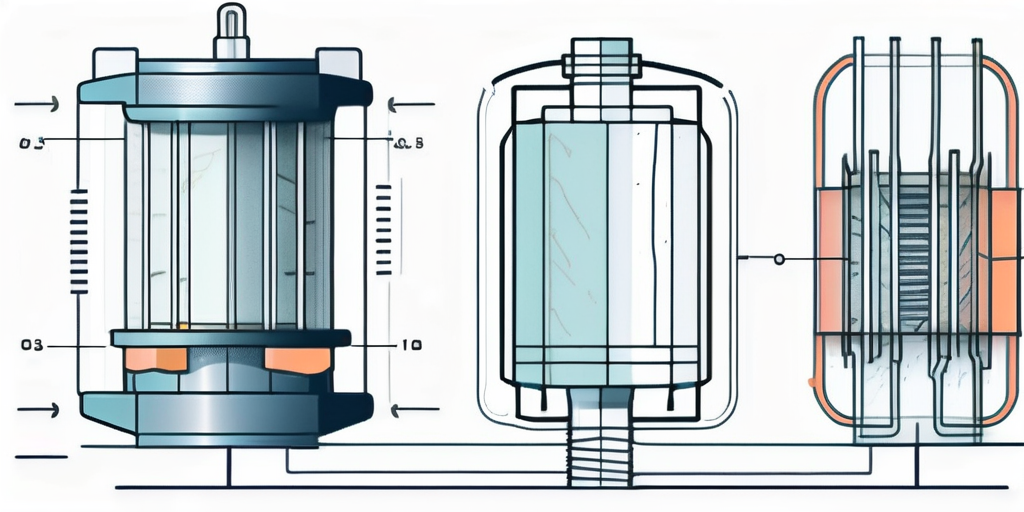
The timing and pressure of the injection process are critical to the success of co-injection molding. If the core material is injected too early, it may mix with the skin material, resulting in a part with inconsistent properties. If it is injected too late, the skin material may have already solidified, preventing the core material from filling the mold properly. Therefore, precise control over the injection process is essential in co-injection molding.
Material Selection in Co-Injection Molding
The selection of materials for co-injection molding is a complex task that requires a deep understanding of the properties of different plastics. The skin material must be compatible with the core material, as any incompatibility can lead to problems such as delamination or poor adhesion between the two layers. Additionally, the skin material must have a higher melting point than the core material to prevent it from melting during the injection of the core material.
Commonly used materials in co-injection molding include polypropylene (PP), polyethylene (PE), and polystyrene (PS) for the skin layer, and acrylonitrile butadiene styrene (ABS), polyvinyl chloride (PVC), and polycarbonate (PC) for the core layer. The selection of materials is often a trade-off between cost, performance, and aesthetics, with the final choice depending on the specific requirements of the part to be produced.
Equipment Used in Co-Injection Molding
Co-injection molding requires specialized equipment that can handle the simultaneous injection of two different materials. This typically involves a two-barrel injection unit, with one barrel for the skin material and one for the core material. The barrels are heated to the respective melting points of the materials, and a valve system controls the timing and pressure of the injection process.
In addition to the injection unit, a co-injection molding machine also includes a clamping unit that holds the mold in place during the injection process. The clamping force must be sufficient to withstand the pressure of the injected materials, and it must be evenly distributed to prevent distortion of the part. The mold itself is often made of steel or aluminum and is designed to withstand the high temperatures and pressures involved in the co-injection molding process.
Advantages and Disadvantages of Co-Injection Molding
Co-injection molding offers several advantages over traditional single-material injection molding. One of the main benefits is the ability to produce parts with unique properties by combining different materials. For example, a part could have a rigid core for strength and a soft skin for comfort, or a transparent skin for aesthetics and a colored core for branding. This versatility makes co-injection molding a popular choice for a wide range of applications.
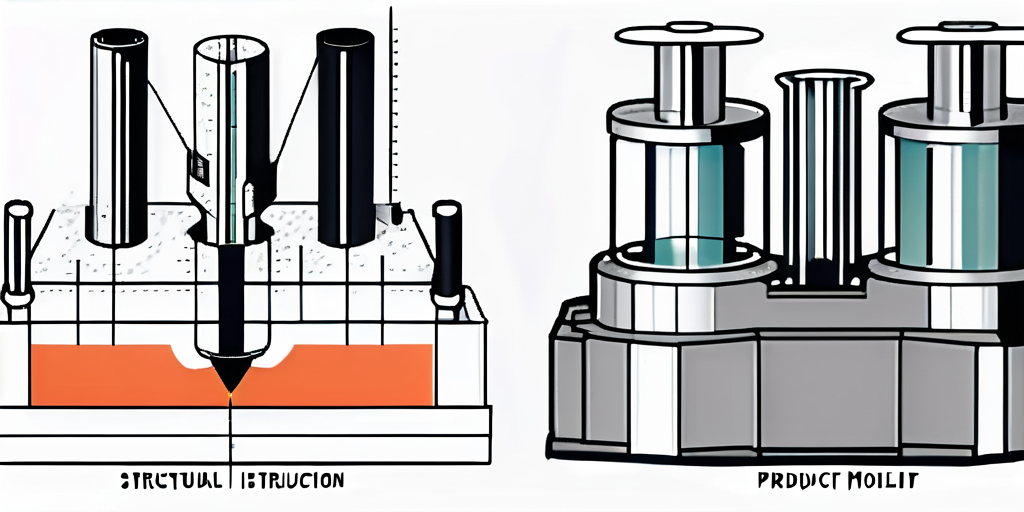
Another advantage of co-injection molding is the potential for cost savings. By using a less expensive material for the core of the part, manufacturers can reduce material costs without compromising the performance or aesthetics of the part. Additionally, co-injection molding can reduce waste by allowing the use of recycled materials in the core of the part.
Limitations of Co-Injection Molding
Despite its many advantages, co-injection molding also has some limitations. The process is more complex and requires more sophisticated equipment than traditional injection molding, which can increase the initial investment. Additionally, the selection of materials is more challenging, as the skin and core materials must be compatible and have suitable melting points.
Another limitation of co-injection molding is the difficulty of controlling the distribution of the core material within the part. If the core material is not evenly distributed, it can lead to inconsistent properties in the final part. Therefore, precise control over the injection process is essential in co-injection molding.
Overcoming Challenges in Co-Injection Molding
Despite the challenges associated with co-injection molding, many of these can be overcome with careful planning and control over the process. For example, the selection of compatible materials can be facilitated by consulting material compatibility charts or working with material suppliers. Additionally, the distribution of the core material can be controlled by adjusting the timing and pressure of the injection process.
Furthermore, advances in technology are helping to make co-injection molding more accessible and cost-effective. For example, computer-aided design (CAD) and computer-aided manufacturing (CAM) software can help in the design of the mold and the optimization of the process parameters. Additionally, automation and robotics can increase the efficiency and precision of the co-injection molding process, reducing costs and improving the quality of the final parts.
Applications of Co-Injection Molding
Co-injection molding is used in a wide range of industries to produce parts with unique properties. In the automotive industry, for example, co-injection molding is used to produce parts such as bumpers, door panels, and instrument panels. These parts often have a rigid core for strength and a soft skin for comfort and aesthetics.
In the consumer goods industry, co-injection molding is used to produce products such as toothbrush handles, razor handles, and packaging containers. These products often have a colored core for branding and a transparent skin for aesthetics. In the medical industry, co-injection molding is used to produce devices such as syringe barrels, which require a clear skin for visibility and a colored core for identification.
Future Trends in Co-Injection Molding
The future of co-injection molding looks promising, with advances in technology and materials expected to drive further growth in the market. One of the key trends is the increasing use of biodegradable and bio-based plastics in co-injection molding. These materials offer the potential to reduce the environmental impact of plastic parts, while still providing the performance and aesthetics required by consumers.
Another trend is the increasing use of automation and robotics in co-injection molding. These technologies can increase the efficiency and precision of the process, reducing costs and improving the quality of the final parts. Additionally, advances in software and data analytics are helping manufacturers to optimize the co-injection molding process, further enhancing its competitiveness compared to traditional injection molding.
Conclusion
Co-injection molding is a sophisticated technique in the field of plastic injection molding that offers numerous advantages over traditional single-material injection molding. By combining different materials in a single part, manufacturers can create parts with unique properties, reduce material costs, and enhance the performance and aesthetics of their products.
Despite its complexity and the challenges associated with material selection and process control, co-injection molding is a popular choice for a wide range of industries, from automotive to consumer goods. With advances in technology and materials, the future of co-injection molding looks promising, offering the potential for further growth and innovation in the field of plastic injection molding.