

The process of plastic injection molding is a complex one, involving many stages and techniques. One of these techniques is cleanroom molding, a method used to ensure the highest level of cleanliness and precision in the production of plastic parts. This article will delve into the intricate details of cleanroom molding, its importance in the broader context of plastic injection molding, and the various factors that influence its effectiveness.
Plastic injection molding is a manufacturing process used to produce parts in large volumes. It’s a versatile technique that can be used with a variety of plastic materials, and it’s particularly well-suited to the production of complex, high-precision parts. Cleanroom molding is a specialized subset of this process, used when the utmost cleanliness and precision are required.
Understanding Plastic Injection Molding
Before we delve into the specifics of cleanroom molding, it’s important to understand the broader process of plastic injection molding. This is a manufacturing technique that involves injecting molten plastic into a mold, where it cools and solidifies into the desired shape. The process is highly automated, with machines handling most of the work, and it’s capable of producing parts with a high degree of precision and consistency.
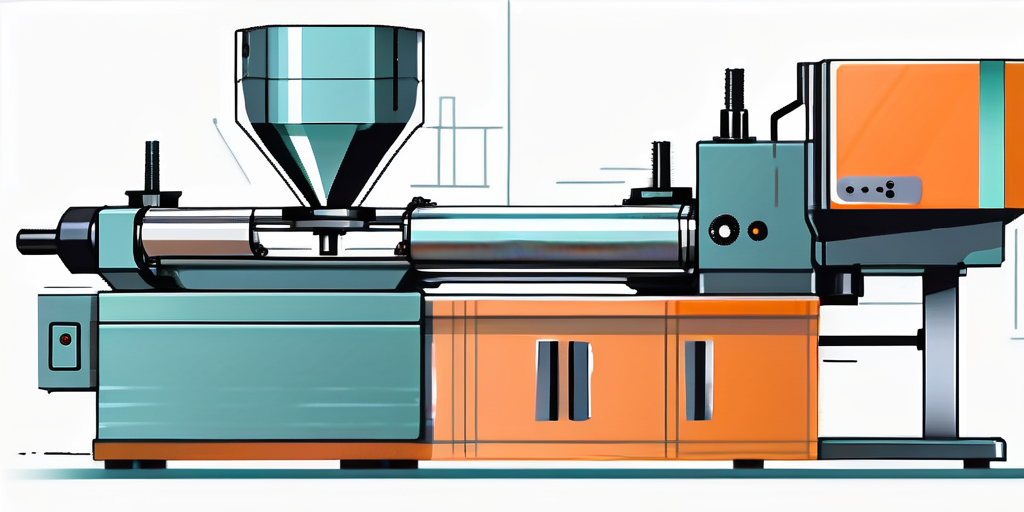
Plastic injection molding is used in a wide range of industries, from automotive to medical to consumer goods. It’s a cost-effective method for producing large quantities of identical parts, and it allows for a great deal of design flexibility. The process can be used with a wide variety of plastic materials, each with its own properties and advantages.
The Process of Plastic Injection Molding
The process of plastic injection molding involves several key steps. First, the plastic material is fed into a heating chamber, where it is melted into a liquid state. This molten plastic is then injected into a mold, which is typically made from metal. The mold is cooled, causing the plastic to solidify into the desired shape. Finally, the part is ejected from the mold and inspected for quality.
Each of these steps requires careful control and precision. The plastic must be heated to the correct temperature, the mold must be designed and manufactured with precision, and the cooling and ejection processes must be carefully managed to avoid damaging the part. All of these factors contribute to the quality and consistency of the final product.
Materials Used in Plastic Injection Molding
There are many different types of plastic that can be used in injection molding, each with its own properties and advantages. Some of the most commonly used materials include polyethylene, polypropylene, polystyrene, and ABS (acrylonitrile butadiene styrene). These materials are chosen for their strength, durability, and resistance to heat and chemicals.
Other materials may be used for specific applications. For example, medical devices often require materials that are biocompatible and resistant to sterilization processes. Automotive parts may require materials with high heat resistance and strength. The choice of material is a critical factor in the design and production of injection molded parts.
Introduction to Cleanroom Molding
Cleanroom molding is a specialized technique used in the production of plastic parts that require the highest level of cleanliness and precision. This process is typically used in industries such as medical, aerospace, and electronics, where even the smallest amount of contamination can have serious consequences.
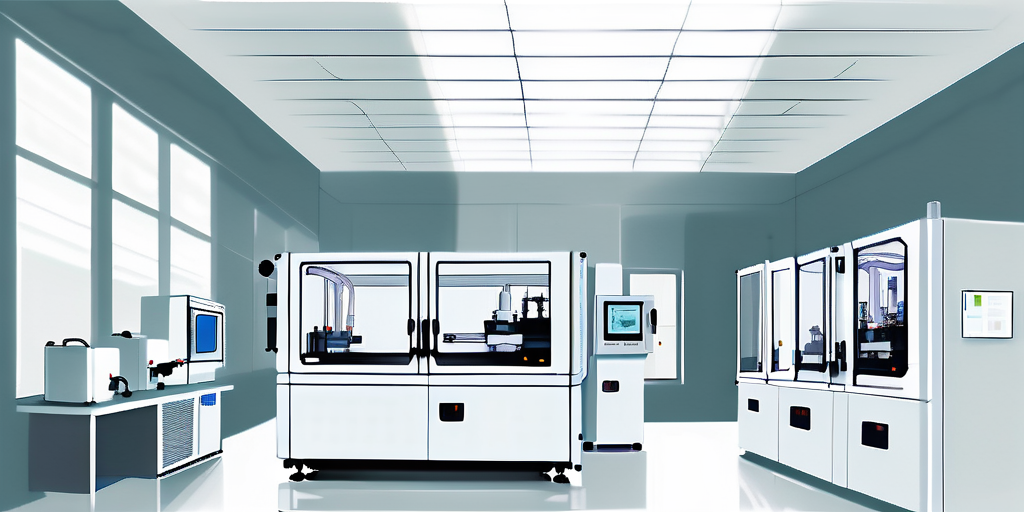
In a cleanroom molding environment, the entire process is conducted in a controlled environment that minimizes the risk of contamination. This includes the use of specialized equipment, rigorous cleaning procedures, and strict quality control measures. The goal is to produce parts that are as clean and precise as possible, to meet the stringent requirements of these industries.
Why Cleanroom Molding is Necessary
Cleanroom molding is necessary in industries where the cleanliness and precision of parts are critical. In the medical industry, for example, parts must be free of contaminants to ensure patient safety. Similarly, in the aerospace and electronics industries, parts must be produced with a high degree of precision to ensure the reliable performance of complex systems.
Even a small amount of contamination can have serious consequences in these industries. For example, a tiny particle of dust or a microscopic flaw in a part can cause a medical device to fail, potentially putting a patient’s life at risk. Similarly, a minor imperfection in an aerospace component can lead to system failures and potentially catastrophic results. For these reasons, cleanroom molding is a critical process in these industries.
How Cleanroom Molding Works
Cleanroom molding works by controlling the environment in which the molding process takes place. This involves the use of a cleanroom, which is a controlled environment that is designed to minimize the presence of airborne particles. The air in a cleanroom is continuously filtered to remove dust, microbes, and other contaminants, and the room is regularly cleaned and sanitized to maintain its cleanliness.
In addition to the cleanroom itself, the molding process is also carefully controlled to minimize the risk of contamination. This includes the use of specialized equipment, such as closed-loop molding machines, which are designed to prevent the introduction of contaminants. The materials used in the process are also carefully controlled, with rigorous testing and inspection to ensure their cleanliness and quality.
Challenges and Solutions in Cleanroom Molding
While cleanroom molding is a critical process in many industries, it also presents a number of challenges. These include the need for specialized equipment and facilities, the high cost of maintaining a cleanroom environment, and the need for rigorous quality control measures. However, with careful planning and management, these challenges can be effectively addressed.
One of the key challenges in cleanroom molding is the need for specialized equipment and facilities. Cleanroom molding requires the use of closed-loop molding machines, which are more expensive than standard molding machines. These machines are designed to prevent the introduction of contaminants, but their complexity and cost can be a barrier for some manufacturers. However, the investment in this equipment can be justified by the improved quality and reliability of the parts produced.
Cost and Quality Control in Cleanroom Molding
The cost of maintaining a cleanroom environment is another significant challenge in cleanroom molding. This includes the cost of the cleanroom itself, as well as the ongoing costs of cleaning, sanitizing, and maintaining the room. Additionally, the materials used in cleanroom molding must be carefully controlled and tested, adding to the overall cost of the process.
Despite these costs, the benefits of cleanroom molding can outweigh the expenses. The improved quality and reliability of the parts produced can lead to reduced costs in other areas, such as warranty claims and product recalls. Additionally, the use of cleanroom molding can help manufacturers meet the stringent regulatory requirements of industries such as medical and aerospace, potentially opening up new markets and opportunities.
Addressing Challenges with Technology and Training
Technology and training are key tools in addressing the challenges of cleanroom molding. Advances in molding technology, such as the development of more efficient and reliable closed-loop molding machines, can help to reduce the cost and complexity of the process. Similarly, advances in cleanroom technology, such as more efficient air filtration systems, can help to reduce the cost of maintaining a cleanroom environment.
Training is also critical in cleanroom molding. Workers must be trained in the proper procedures for working in a cleanroom, including the use of protective clothing and the proper handling of materials. They must also be trained in the specific processes and techniques used in cleanroom molding, to ensure the highest level of quality and consistency in the parts produced.
Conclusion
Cleanroom molding is a critical process in the production of high-precision, high-cleanliness plastic parts. While it presents a number of challenges, these can be effectively addressed with careful planning, the use of advanced technology, and rigorous training. With its ability to produce parts of the highest quality and reliability, cleanroom molding is a key tool in the arsenal of modern manufacturers.

As the demand for high-precision, high-cleanliness parts continues to grow in industries such as medical, aerospace, and electronics, the importance of cleanroom molding is likely to increase. By understanding and effectively managing this process, manufacturers can ensure the quality and reliability of their products, meet the stringent requirements of their industries, and position themselves for success in the competitive global marketplace.