

In the world of plastic manufacturing, the term ‘additive’ holds a significant place. It refers to the substances that are added to the base plastic material during the process of plastic injection molding. These additives play a crucial role in enhancing the properties of the final plastic product, making it more durable, flexible, or resistant to various environmental factors.
Understanding the role and function of additives in plastic injection molding is essential for anyone involved in the plastic manufacturing industry. This glossary entry aims to provide a comprehensive explanation of the term ‘additive’ in the context of plastic injection molding. It will delve into the various types of additives, their functions, the process of their addition, and their impact on the final product.
Definition of Additives in Plastic Injection Molding
Additives in plastic injection molding are substances that are added to the base plastic material to modify its properties. These substances can be in the form of liquids, powders, or granules, and they are mixed with the plastic material before or during the molding process. The type and amount of additive used can significantly affect the characteristics of the final plastic product.
The use of additives in plastic injection molding is a common practice in the industry. They allow manufacturers to tailor the properties of the plastic to suit specific applications, making the process highly versatile and adaptable. Without the use of additives, many of the plastic products we use today would not be possible.
Types of Additives
There are several types of additives used in plastic injection molding, each with a specific purpose. Some of the most common types include plasticizers, stabilizers, fillers, colorants, and flame retardants. Each of these additives has a unique role in enhancing the properties of the plastic material.
Plasticizers, for example, are used to increase the flexibility and elasticity of the plastic. Stabilizers help to protect the plastic from degradation caused by heat, light, or other environmental factors. Fillers are used to increase the volume of the plastic material without significantly increasing its cost. Colorants are used to give the plastic a specific color, and flame retardants are used to make the plastic more resistant to fire.
Function of Additives
The primary function of additives in plastic injection molding is to modify the properties of the base plastic material. This can involve enhancing existing properties, such as increasing the plastic’s strength or flexibility, or introducing new properties, such as making the plastic flame retardant or UV resistant.
Another important function of additives is to improve the processability of the plastic material. Some additives, for example, can make the plastic easier to melt and mold, reducing the energy required for the molding process. Others can improve the flow of the plastic in the mold, ensuring a more uniform distribution of the material and a smoother surface finish on the final product.
Process of Adding Additives
The process of adding additives to the plastic material in injection molding can vary depending on the type of additive and the specific requirements of the product. In general, however, the additives are mixed with the plastic material before the molding process begins.
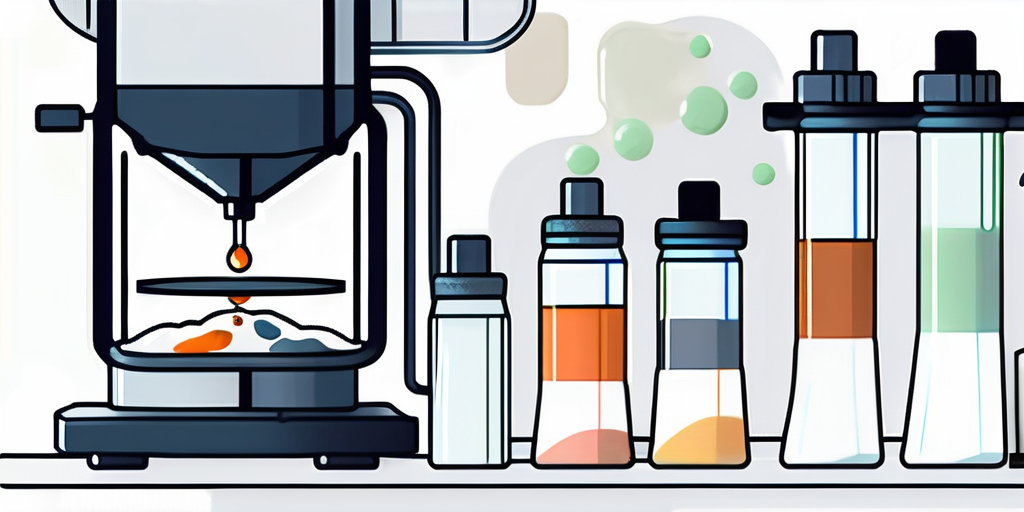
This mixing can be done manually, by simply adding the additive to the plastic material and stirring until it is evenly distributed. Alternatively, it can be done using a machine, which can ensure a more uniform distribution of the additive and reduce the risk of clumping or segregation. Once the additive is mixed with the plastic material, the mixture is heated and injected into the mold, where it cools and solidifies into the final product.
Considerations When Adding Additives
When adding additives to the plastic material in injection molding, there are several important considerations to keep in mind. One of the most important is the compatibility of the additive with the plastic material. Not all additives are compatible with all types of plastic, and using an incompatible additive can result in a final product with poor properties or a flawed appearance.
Another important consideration is the amount of additive to use. The amount of additive required can vary depending on the type of plastic, the type of additive, and the desired properties of the final product. Using too much or too little additive can result in a product that does not meet the required specifications.
Impact of Additives on the Molding Process
The addition of additives can have a significant impact on the plastic injection molding process. Some additives, for example, can increase the viscosity of the plastic material, making it more difficult to inject into the mold. Others can affect the melting point of the plastic, requiring adjustments to the heating and cooling parameters of the molding machine.
Despite these challenges, the use of additives is often necessary to achieve the desired properties in the final product. By carefully selecting the right additives and adjusting the molding process accordingly, manufacturers can produce high-quality plastic products with a wide range of properties and applications.
Impact of Additives on the Final Product
The use of additives in plastic injection molding can have a significant impact on the properties and performance of the final product. By modifying the properties of the base plastic material, additives can make the product more durable, flexible, resistant to environmental factors, and suitable for specific applications.
For example, the addition of a plasticizer can make a plastic product more flexible and less brittle, making it suitable for applications such as flexible packaging or medical devices. The addition of a flame retardant can make a plastic product more resistant to fire, making it suitable for applications such as electrical insulation or construction materials.
Benefits of Using Additives
The use of additives in plastic injection molding offers several benefits. One of the most significant is the ability to tailor the properties of the plastic material to suit specific applications. By adding the right additives, manufacturers can produce plastic products with a wide range of properties, from flexible and elastic to rigid and durable.
Another benefit of using additives is the potential for cost savings. Some additives, such as fillers, can increase the volume of the plastic material without significantly increasing its cost. This can result in a lower cost per unit of the final product, making the process more economical for the manufacturer.
Potential Drawbacks of Using Additives
While the use of additives in plastic injection molding offers many benefits, it also has potential drawbacks. One of the main drawbacks is the potential for environmental impact. Some additives, such as certain types of plasticizers and flame retardants, have been linked to environmental pollution and health risks. This has led to increased regulation and scrutiny of the use of these additives in some regions.
Another potential drawback is the complexity it adds to the molding process. The addition of additives requires careful consideration of the compatibility and amount of the additive, as well as adjustments to the molding process. This can increase the complexity and cost of the process, particularly for small-scale manufacturers or those new to the industry.
Conclusion
In conclusion, additives play a crucial role in plastic injection molding, allowing manufacturers to modify the properties of the base plastic material to suit specific applications. While the use of additives can add complexity to the molding process and has potential environmental implications, the benefits they offer in terms of product performance and cost savings make them an essential part of the industry.

Understanding the role and function of additives in plastic injection molding is essential for anyone involved in the plastic manufacturing industry. By carefully selecting the right additives and using them in the correct amounts, manufacturers can produce high-quality plastic products that meet a wide range of specifications and requirements.