

In the world of manufacturing, plastic injection molding is a critical process used to produce a wide array of products. The term “shot” in plastic injection molding refers to the amount of plastic material that is injected into the mold in one cycle. This glossary entry will delve into the intricacies of the shot, its importance, and how it impacts the overall process of plastic injection molding.
Understanding the shot is crucial for manufacturers and engineers as it directly influences the quality and efficiency of the production process. This entry will also explore the factors that determine the size of the shot, how it is calculated, and the potential issues that can arise if the shot is not properly managed.
Concept of the Shot in Plastic Injection Molding
The shot in plastic injection molding is a fundamental concept that refers to the amount of plastic material, measured in weight, that is injected into the mold during a single cycle. The size of the shot is determined by the capacity of the injection unit and the design of the mold. It is a critical factor that influences the quality of the final product and the efficiency of the production process.

Understanding the shot is essential for optimizing the plastic injection molding process. A shot that is too large can lead to waste and increased costs, while a shot that is too small may not fully fill the mold, resulting in defective products. Therefore, accurately calculating and controlling the shot is a key aspect of plastic injection molding.
Shot Size
The size of the shot is typically measured in grams or ounces and is determined by the volume of the mold and the density of the plastic material. The shot size is one of the key parameters that is set on the injection molding machine before the production process begins. It is critical to accurately calculate the shot size to ensure that the mold is fully filled without wasting any material.
The shot size is influenced by several factors, including the design of the mold, the type of plastic material, and the desired properties of the final product. For example, a complex mold with many cavities will require a larger shot size than a simple mold with a single cavity. Similarly, a denser plastic material will require a larger shot size than a less dense material to fill the same volume.
Shot Weight
The shot weight refers to the weight of the plastic material that is injected into the mold in one cycle. It is a crucial parameter that is used to calculate the shot size. The shot weight is typically measured in grams or ounces and is determined by the volume of the mold and the density of the plastic material.
The shot weight is a critical factor that influences the quality of the final product. If the shot weight is too high, it can lead to overpacking of the mold and defects in the final product. On the other hand, if the shot weight is too low, it may not fully fill the mold, resulting in incomplete or defective products.
Calculating the Shot in Plastic Injection Molding
Calculating the shot in plastic injection molding is a critical step in the production process. It involves determining the volume of the mold, the density of the plastic material, and the desired properties of the final product. The shot is then calculated by multiplying the volume of the mold by the density of the plastic material.
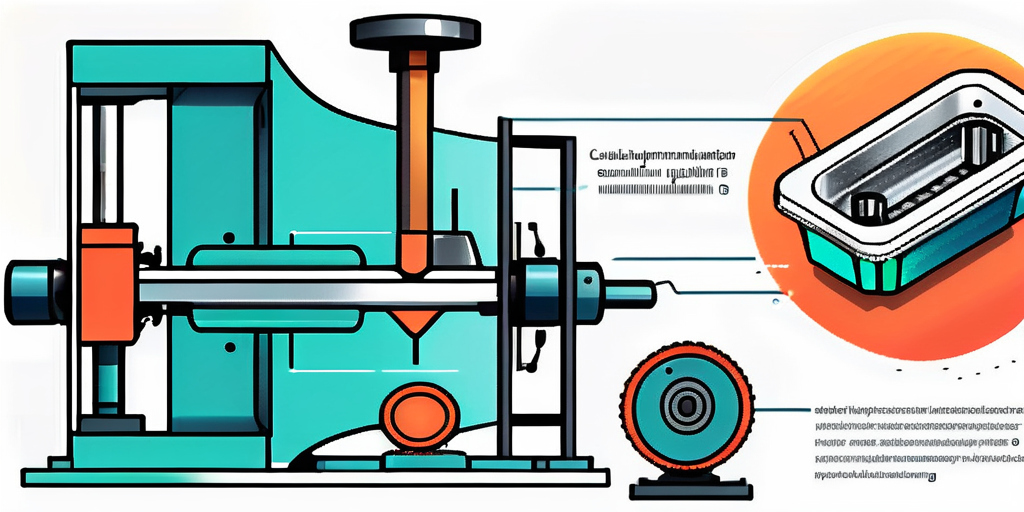
The calculation of the shot is a complex process that requires a deep understanding of the properties of the plastic material and the design of the mold. It is typically performed by experienced engineers using specialized software tools. However, it is also possible to calculate the shot manually using mathematical formulas.
Volume of the Mold
The volume of the mold is a key factor in determining the shot in plastic injection molding. It refers to the total space within the mold that is filled with the plastic material during the injection process. The volume of the mold is typically measured in cubic inches or cubic centimeters and is determined by the design of the mold.
The volume of the mold is influenced by several factors, including the number of cavities, the size of the cavities, and the complexity of the mold design. A larger mold with more cavities will require a larger shot than a smaller mold with fewer cavities. Similarly, a complex mold with intricate features will require a larger shot than a simple mold with basic features.
Density of the Plastic Material
The density of the plastic material is another key factor in determining the shot in plastic injection molding. It refers to the mass of the material per unit volume and is typically measured in grams per cubic centimeter or pounds per cubic foot. The density of the plastic material is influenced by its chemical composition and physical properties.
The density of the plastic material directly influences the weight of the shot. A denser material will result in a heavier shot for the same volume, while a less dense material will result in a lighter shot. Therefore, accurately determining the density of the plastic material is crucial for calculating the shot in plastic injection molding.
Importance of the Shot in Plastic Injection Molding
The shot in plastic injection molding is of paramount importance as it directly influences the quality of the final product and the efficiency of the production process. A properly calculated and controlled shot ensures that the mold is fully filled without wasting any material, resulting in high-quality products and efficient production.
On the other hand, a shot that is not properly managed can lead to a variety of problems, including defective products, wasted material, and increased production costs. Therefore, understanding and controlling the shot is a critical aspect of plastic injection molding.
Quality of the Final Product
The shot directly influences the quality of the final product in plastic injection molding. A shot that is too large can lead to overpacking of the mold, resulting in defects such as warping, sink marks, and dimensional inaccuracies. On the other hand, a shot that is too small may not fully fill the mold, resulting in incomplete or defective products.
Therefore, accurately calculating and controlling the shot is crucial for producing high-quality products. It ensures that the mold is fully filled with the right amount of material, resulting in products that meet the desired specifications and quality standards.
Efficiency of the Production Process
The shot also influences the efficiency of the production process in plastic injection molding. A shot that is too large can lead to waste of material and increased production costs. On the other hand, a shot that is too small may require multiple cycles to fully fill the mold, resulting in longer production times and lower efficiency.
Therefore, optimizing the shot is crucial for improving the efficiency of the production process. It ensures that the right amount of material is used in each cycle, reducing waste and improving the overall productivity of the manufacturing process.
Managing the Shot in Plastic Injection Molding
Managing the shot in plastic injection molding involves accurately calculating the shot size, setting the appropriate parameters on the injection molding machine, and monitoring the process to ensure that the shot is consistently delivered. It is a complex task that requires a deep understanding of the properties of the plastic material, the design of the mold, and the operation of the injection molding machine.
Proper management of the shot is crucial for producing high-quality products and maintaining the efficiency of the production process. It involves a combination of theoretical knowledge, practical skills, and experience. Therefore, it is typically performed by skilled engineers and technicians who have been trained in the principles and practices of plastic injection molding.
Calculating the Shot Size
Calculating the shot size is the first step in managing the shot in plastic injection molding. It involves determining the volume of the mold and the density of the plastic material, and then multiplying these two values to obtain the shot size. The shot size is typically measured in grams or ounces and is a critical parameter that is set on the injection molding machine before the production process begins.
The calculation of the shot size is a complex process that requires a deep understanding of the properties of the plastic material and the design of the mold. It is typically performed by experienced engineers using specialized software tools. However, it is also possible to calculate the shot size manually using mathematical formulas.
Setting the Injection Parameters
Setting the injection parameters is another important step in managing the shot in plastic injection molding. It involves setting the appropriate values for the shot size, injection pressure, injection speed, and other parameters on the injection molding machine. These parameters directly influence the quality of the final product and the efficiency of the production process.
The injection parameters are typically set based on the properties of the plastic material, the design of the mold, and the desired properties of the final product. They are adjusted as needed during the production process to ensure that the shot is consistently delivered and that the mold is fully filled without wasting any material.
Monitoring the Injection Process
Monitoring the injection process is a critical aspect of managing the shot in plastic injection molding. It involves observing the operation of the injection molding machine, checking the quality of the final products, and making necessary adjustments to the injection parameters as needed. This ensures that the shot is consistently delivered and that the mold is fully filled, resulting in high-quality products and efficient production.
Monitoring the injection process requires a keen eye for detail and a deep understanding of the principles and practices of plastic injection molding. It is typically performed by skilled technicians who have been trained in the operation and maintenance of injection molding machines.
Conclusion
In conclusion, the shot in plastic injection molding is a critical concept that directly influences the quality of the final product and the efficiency of the production process. It involves the amount of plastic material that is injected into the mold in one cycle, and is determined by the volume of the mold and the density of the plastic material.
Understanding and managing the shot is crucial for manufacturers and engineers as it helps to optimize the plastic injection molding process, reduce waste, and produce high-quality products. Therefore, the shot is a key aspect of plastic injection molding that deserves careful attention and thorough understanding.