

The screw is a crucial component in the plastic injection molding process. It is responsible for melting the plastic material and injecting it into the mold. This article will delve into the intricacies of the screw, its role, its design, and its impact on the overall plastic injection molding process.
Understanding the screw is fundamental to mastering the plastic injection molding process. Its design and operation can significantly affect the quality of the final product. This article will provide a comprehensive explanation of the screw, its function, and its importance in plastic injection molding.
The Role of the Screw in Plastic Injection Molding
The screw plays a pivotal role in the plastic injection molding process. It is responsible for melting the plastic granules and injecting the molten plastic into the mold. The screw’s design and operation can significantly influence the quality of the final product.
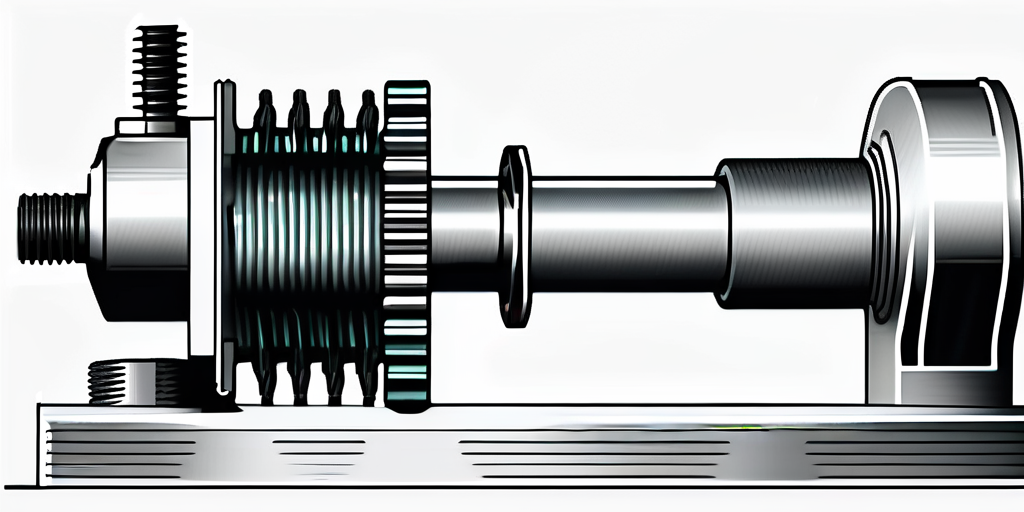
The screw’s primary function is to transport, melt, and inject the plastic material. It does this by rotating and moving forward, creating heat through friction and pressure, which melts the plastic. The screw then injects the molten plastic into the mold, where it cools and solidifies into the desired shape.
Transportation of Plastic Material
The screw’s first role is to transport the plastic granules from the hopper to the heating cylinder. As the screw rotates, it picks up the plastic granules and moves them forward. This movement is critical as it ensures a continuous supply of plastic material for the molding process.
The design of the screw’s flights, or the spiral ridges on the screw, plays a significant role in this transportation process. The flights’ size, shape, and spacing can affect the rate at which the plastic material is transported, which can in turn influence the molding process’s efficiency and the quality of the final product.
Melting of Plastic Material
As the screw moves the plastic material forward, it also generates heat through friction and pressure, which melts the plastic. This melting process is critical as it transforms the solid plastic granules into a molten state that can be injected into the mold.
The screw’s design, particularly its length-to-diameter ratio and the design of its flights, can significantly affect the melting process. A screw with a higher length-to-diameter ratio or more tightly spaced flights can generate more heat and thus melt the plastic more efficiently.
Design of the Screw
The design of the screw is a critical factor in the plastic injection molding process. It can significantly affect the efficiency of the process and the quality of the final product. The screw’s design includes its length-to-diameter ratio, the design of its flights, and the presence of any special features such as a mixing section.
The screw’s length-to-diameter ratio is a critical design factor. A screw with a higher length-to-diameter ratio can generate more heat and thus melt the plastic more efficiently. However, a screw with a too high length-to-diameter ratio can cause excessive shear and degrade the plastic material.
Flights Design
The flights are the spiral ridges on the screw that transport and mix the plastic material. The design of the flights, including their size, shape, and spacing, can significantly affect the efficiency of the molding process and the quality of the final product.
A screw with tightly spaced flights can generate more heat and thus melt the plastic more efficiently. However, if the flights are too tightly spaced, they can cause excessive shear and degrade the plastic material. Conversely, a screw with loosely spaced flights can transport the plastic material more efficiently but may not generate enough heat to melt the plastic effectively.
Special Features
Some screws may have special features to enhance their performance. For example, a screw may have a mixing section at the end to ensure that the molten plastic is thoroughly mixed before it is injected into the mold. This mixing section can improve the consistency of the molten plastic and thus the quality of the final product.
Other special features may include a barrier flight, which separates the solid and molten plastic to improve the melting efficiency, or a gas-venting section, which allows any trapped gases to escape and prevent defects in the final product.
Impact of the Screw on the Molding Process
The screw’s design and operation can significantly impact the plastic injection molding process. It can affect the efficiency of the process, the quality of the final product, and the cost of the molding operation.
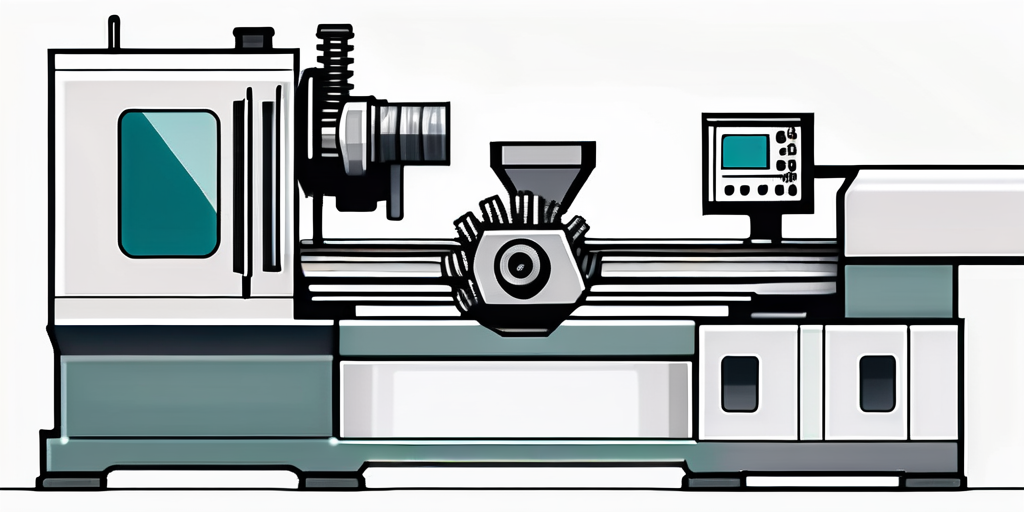
The screw’s design, particularly its length-to-diameter ratio and the design of its flights, can affect the efficiency of the melting and injection processes. A well-designed screw can melt the plastic efficiently and inject it into the mold with the right amount of pressure, ensuring a high-quality final product.
Efficiency of the Process
A well-designed screw can improve the efficiency of the plastic injection molding process. It can transport the plastic material efficiently, melt it effectively, and inject it into the mold with the right amount of pressure. This can reduce the cycle time, increase the production rate, and lower the cost of the molding operation.
Conversely, a poorly designed screw can reduce the efficiency of the process. It may not transport the plastic material efficiently, may not melt it effectively, or may not inject it into the mold with the right amount of pressure. This can increase the cycle time, reduce the production rate, and raise the cost of the molding operation.
Quality of the Final Product
The screw’s design and operation can also affect the quality of the final product. A well-designed screw can ensure that the plastic is thoroughly melted and mixed, and that it is injected into the mold with the right amount of pressure. This can result in a final product with a consistent shape, size, and surface finish.
Conversely, a poorly designed screw can lead to defects in the final product. It may not melt the plastic thoroughly, may not mix it effectively, or may not inject it into the mold with the right amount of pressure. This can result in a final product with inconsistencies in shape, size, and surface finish, or with defects such as warping, sink marks, or gas traps.
Conclusion
In conclusion, the screw is a critical component in the plastic injection molding process. Its design and operation can significantly affect the efficiency of the process and the quality of the final product. Therefore, understanding the screw and its role in the molding process is fundamental to mastering plastic injection molding.
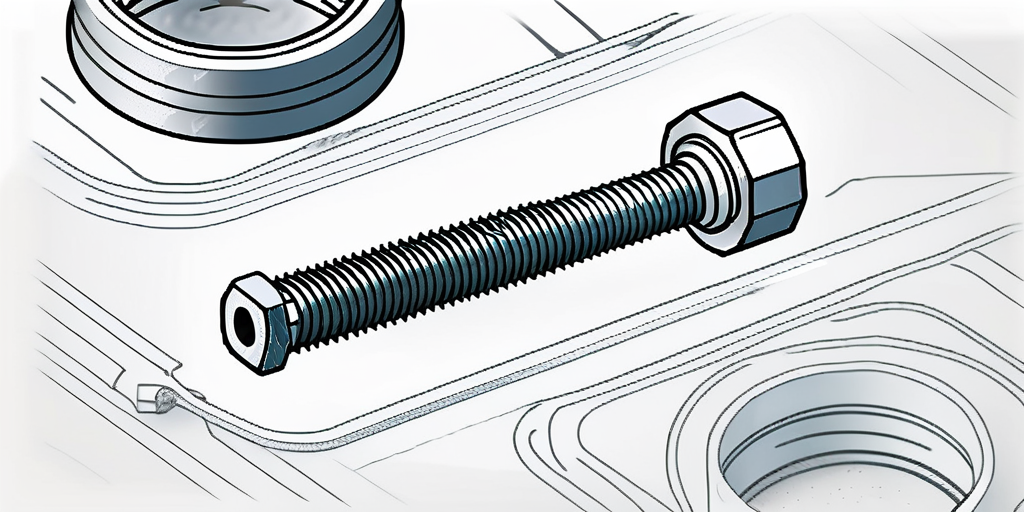
By delving into the intricacies of the screw, its function, and its impact on the overall process, one can better understand and optimize the plastic injection molding process. This knowledge can lead to improved efficiency, higher quality products, and lower costs, making it an invaluable tool for anyone involved in plastic injection molding.