

The runner system is an integral part of the plastic injection molding process. It is the pathway that the molten plastic takes from the injection unit, through the mold, and finally to the part being produced. Understanding the runner system is crucial for anyone involved in the plastic injection molding industry, as it can significantly impact the quality of the final product, the efficiency of the process, and the overall cost of production.
Plastic injection molding is a manufacturing process used to produce parts in large volumes. It involves injecting molten plastic into a mold, where it cools and solidifies into the desired shape. The runner system plays a critical role in this process, as it ensures the even and efficient distribution of the molten plastic throughout the mold.
Components of the Runner System
The runner system in plastic injection molding consists of several key components, each with a specific function. These components include the sprue, the runner, and the gate. The design and configuration of these components can vary depending on the specific requirements of the molding process and the part being produced.
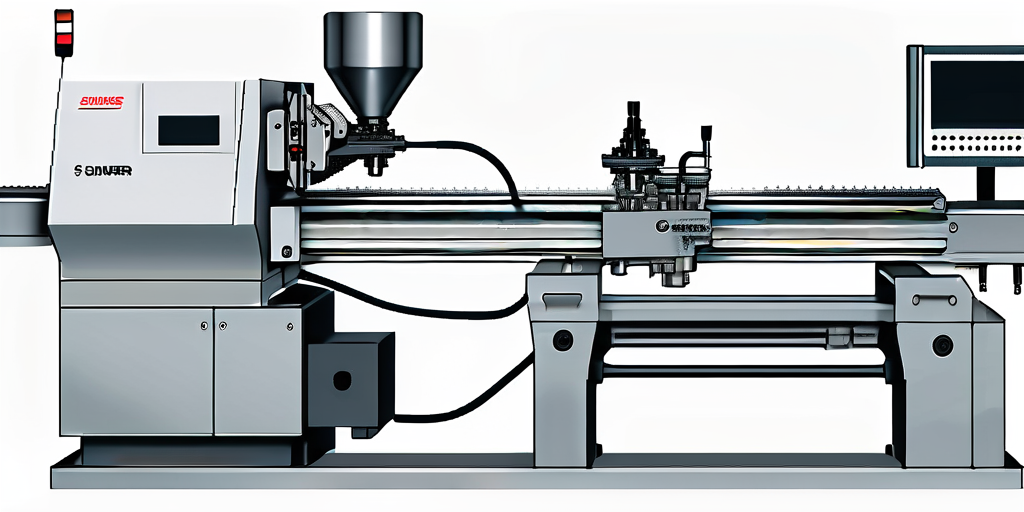
The sprue is the passage through which the molten plastic travels from the injection unit into the mold. The runner is the network of channels that distribute the plastic from the sprue to the various cavities within the mold. The gate is the point at which the plastic enters the part cavity from the runner. Each of these components must be carefully designed and optimized to ensure the efficient and effective operation of the molding process.
The Sprue
The sprue is the initial section of the runner system. It is a large-diameter channel that connects the nozzle of the injection unit to the runner. The sprue is designed to accommodate the high pressure and volume of the molten plastic as it is injected into the mold. The diameter and length of the sprue can significantly impact the flow rate and pressure of the plastic, and therefore must be carefully calculated and controlled.
The sprue is typically tapered, with the larger end connected to the injection unit and the smaller end leading to the runner. This taper helps to reduce the pressure drop as the plastic travels through the sprue, ensuring a more consistent and controlled flow. The sprue is also often designed with a slight offset or bend to help prevent the plastic from flowing back into the injection unit once the injection phase is complete.
The Runner
The runner is the network of channels that distribute the molten plastic from the sprue to the various cavities within the mold. The design and configuration of the runner can have a significant impact on the quality of the final product and the efficiency of the molding process. The runner must be designed to ensure the even and efficient distribution of the plastic, minimizing variations in pressure, temperature, and flow rate.
The runner system can be either a cold runner or a hot runner. A cold runner system is one in which the runner is cooled along with the mold, causing the plastic within the runner to solidify. A hot runner system is one in which the runner is heated, keeping the plastic within the runner molten. Each type of runner system has its advantages and disadvantages, and the choice between the two often depends on the specific requirements of the molding process and the part being produced.
The Gate
The gate is the point at which the molten plastic enters the part cavity from the runner. The design and location of the gate can significantly impact the quality of the final product. The gate must be designed to ensure the smooth and controlled flow of the plastic into the part cavity, minimizing variations in pressure and temperature.
The size and shape of the gate can also affect the appearance and strength of the final product. A larger gate can allow for a faster flow rate, but may also result in a more visible gate mark on the final product. A smaller gate can result in a less visible gate mark, but may also require a higher injection pressure and result in a slower fill time. The choice of gate design often depends on the specific requirements of the part being produced.
Types of Runner Systems
There are two main types of runner systems used in plastic injection molding: cold runner systems and hot runner systems. Each type has its advantages and disadvantages, and the choice between the two often depends on the specific requirements of the molding process and the part being produced.
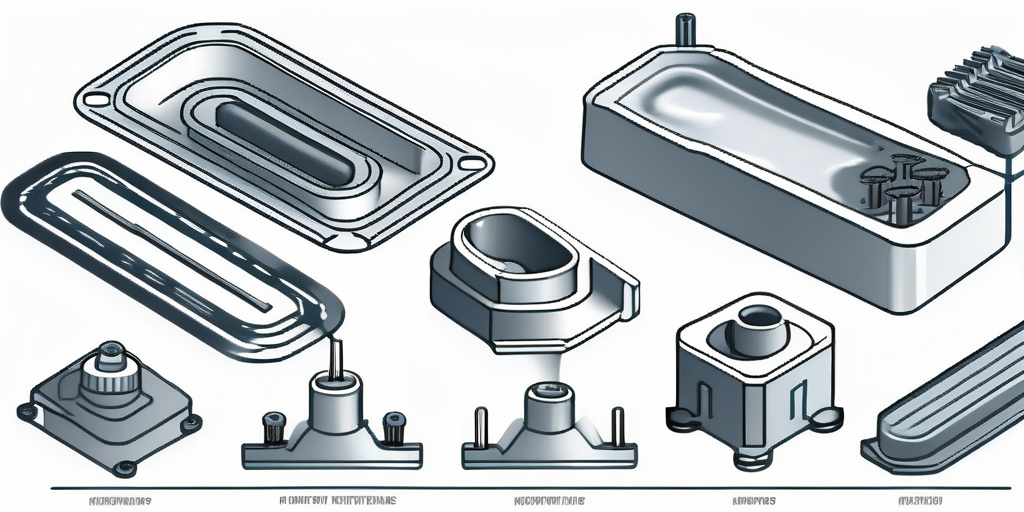
A cold runner system is one in which the runner is cooled along with the mold, causing the plastic within the runner to solidify. This type of system is simple and inexpensive, but it can result in a significant amount of material waste, as the plastic within the runner cannot be reused. A hot runner system is one in which the runner is heated, keeping the plastic within the runner molten. This type of system is more complex and expensive, but it can significantly reduce material waste and improve the efficiency of the molding process.
Cold Runner Systems
A cold runner system is one in which the runner is cooled along with the mold, causing the plastic within the runner to solidify. This type of system is simple and inexpensive, and it is commonly used for low-volume production or for molding materials that are sensitive to heat.
However, a cold runner system can result in a significant amount of material waste, as the plastic within the runner cannot be reused. This waste can be reduced by using a sub-runner or a multi-cavity mold, but these solutions can also increase the complexity and cost of the mold. Additionally, a cold runner system can result in variations in pressure and temperature within the mold, which can affect the quality of the final product.
Hot Runner Systems
A hot runner system is one in which the runner is heated, keeping the plastic within the runner molten. This type of system is more complex and expensive, but it can significantly reduce material waste and improve the efficiency of the molding process. A hot runner system can also provide a more consistent and controlled flow of plastic, improving the quality of the final product.
However, a hot runner system can also present challenges in terms of temperature control and maintenance. The heating elements must be carefully controlled to prevent overheating or underheating of the plastic, which can affect the flow rate and the quality of the final product. The heated runner can also be more difficult to clean and maintain, potentially increasing the downtime and cost of the molding process.
Design Considerations for the Runner System
The design of the runner system is a critical aspect of the plastic injection molding process. The runner system must be carefully designed and optimized to ensure the efficient and effective operation of the molding process, and to produce a high-quality final product.
There are several key factors to consider when designing the runner system. These include the type of plastic being used, the size and shape of the part being produced, the number of cavities in the mold, the injection pressure and temperature, and the cooling time. Each of these factors can significantly impact the design and performance of the runner system.
Type of Plastic
The type of plastic being used can significantly impact the design of the runner system. Different types of plastics have different flow properties, which can affect the design of the sprue, runner, and gate. For example, a plastic with a high viscosity may require a larger sprue and runner to accommodate the slower flow rate. Similarly, a plastic with a low melting point may require a lower injection temperature, which can affect the design of the hot runner system.
The type of plastic can also affect the choice between a cold runner system and a hot runner system. Some plastics are sensitive to heat and may degrade if kept in a molten state for too long, making a cold runner system a better choice. Other plastics may be difficult to cool and solidify, making a hot runner system a better choice.
Size and Shape of the Part
The size and shape of the part being produced can also significantly impact the design of the runner system. A larger part may require a larger sprue and runner to accommodate the higher volume of plastic. Similarly, a complex part with multiple cavities may require a more complex runner system to ensure the even and efficient distribution of the plastic.
The shape of the part can also affect the location and design of the gate. A part with a complex shape may require multiple gates to ensure the complete and even filling of the part cavity. The location of the gate can also affect the appearance and strength of the final product, and therefore must be carefully considered.
Number of Cavities
The number of cavities in the mold can significantly impact the design of the runner system. A mold with multiple cavities requires a more complex runner system to ensure the even and efficient distribution of the plastic. The runner system must be designed to minimize variations in pressure, temperature, and flow rate between the different cavities, to ensure the consistent quality of the final products.
The number of cavities can also affect the choice between a cold runner system and a hot runner system. A mold with multiple cavities may benefit from a hot runner system, as it can provide a more consistent and controlled flow of plastic. However, a hot runner system can also be more complex and expensive, and therefore may not be the best choice for low-volume production.
Conclusion
In conclusion, the runner system is a critical component of the plastic injection molding process. It plays a crucial role in the distribution of the molten plastic from the injection unit, through the mold, and into the part being produced. The design and optimization of the runner system can significantly impact the quality of the final product, the efficiency of the process, and the overall cost of production.
Understanding the components and functions of the runner system, the different types of runner systems, and the key design considerations can help to ensure the successful operation of the plastic injection molding process. With careful design and optimization, the runner system can contribute to the production of high-quality, cost-effective plastic parts.