

Plastic injection molding is a manufacturing process used to produce parts in large volumes. This technique is most commonly used in mass-production processes where the same part is being created thousands or even millions of times in succession.
The process of plastic injection molding involves melting plastic pellets until they become a molten liquid. This liquid is then forced into a mold under high pressure. Once in the mold, the liquid plastic cools and solidifies, taking on the shape of the mold cavity.
History of Plastic Injection Molding
The history of plastic injection molding dates back to the late 19th century, when the first plastic injection molding machine was invented by John Wesley Hyatt. This machine was relatively simple compared to the complex machinery used today, but it laid the foundation for the future of plastic manufacturing.
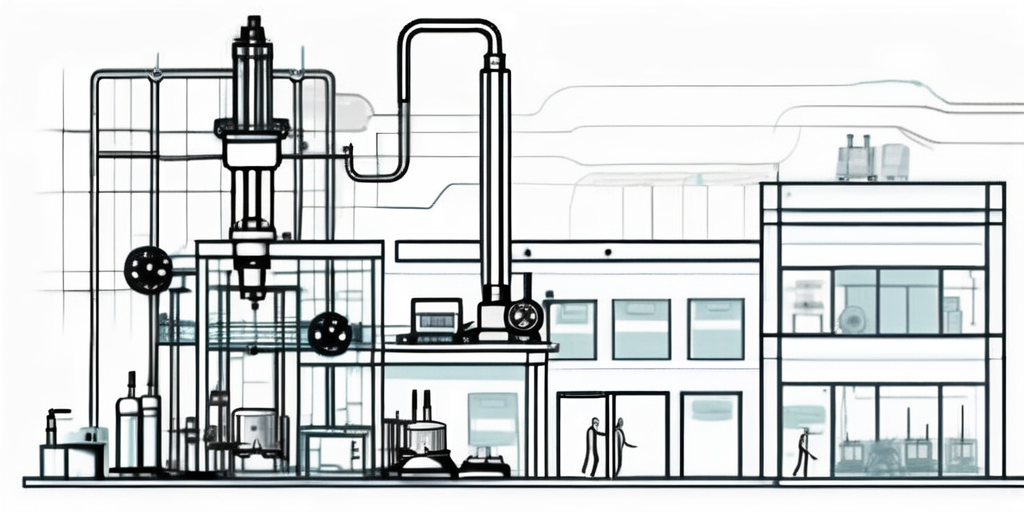
Over the years, the technology and techniques used in plastic injection molding have evolved significantly. The introduction of thermoplastic materials in the 1940s revolutionized the industry, allowing for the mass production of a wide range of plastic products.
Early Developments
The early developments in plastic injection molding were largely driven by the needs of the growing consumer goods industry. As demand for plastic products increased, manufacturers sought more efficient ways to produce these items.
The invention of the screw injection machine in the 1950s was a major breakthrough in this regard. This machine, which used a rotating screw to mix and heat the plastic before injecting it into the mold, greatly improved the efficiency and quality of plastic injection molding.
Modern Advances
In recent decades, advances in technology have led to further improvements in plastic injection molding. Computer-aided design (CAD) and computer-aided manufacturing (CAM) software have made it possible to design and produce complex molds with high precision.
Additionally, the development of new plastic materials with improved properties has expanded the range of products that can be made using plastic injection molding. These materials include high-performance plastics that can withstand extreme temperatures and pressures, as well as biodegradable plastics that are more environmentally friendly.
Process of Plastic Injection Molding
The process of plastic injection molding involves several key steps: material preparation, melting and injection, cooling, and ejection. Each of these steps is critical to ensuring the production of high-quality plastic parts.
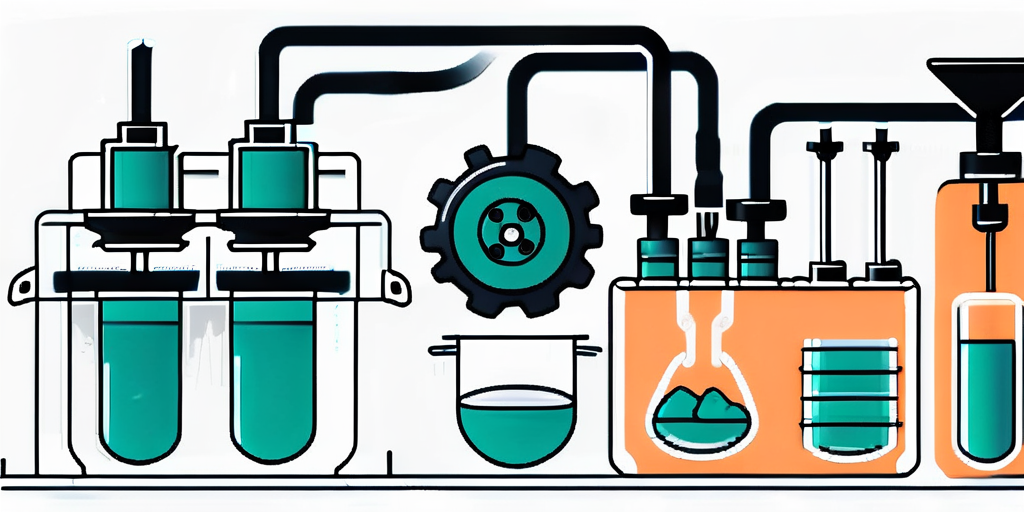
While the basic process of plastic injection molding is relatively straightforward, it requires a high degree of precision and control to achieve consistent results. Factors such as the type of plastic material, the design of the mold, and the settings of the injection molding machine can all affect the quality of the final product.
Material Preparation
The first step in the plastic injection molding process is material preparation. This involves selecting the appropriate plastic material and preparing it for use in the injection molding machine. The plastic material is typically supplied in the form of small pellets, which are dried to remove any moisture before use.
The type of plastic material used can greatly affect the properties of the final product. Different types of plastics have different melting points, flow rates, and cooling rates, which can affect the ease of molding and the quality of the final product.
Melting and Injection
The next step in the process is melting and injection. The plastic pellets are fed into the injection molding machine, where they are heated until they melt into a liquid. This liquid is then injected into the mold under high pressure.
The injection pressure and speed are carefully controlled to ensure that the molten plastic fills the entire mold cavity. If the pressure is too high, the plastic may flash, or overflow, resulting in a defective part. If the pressure is too low, the plastic may not fill the entire mold cavity, resulting in a part with voids or incomplete features.
Cooling
After the molten plastic has been injected into the mold, it begins to cool and solidify. The cooling process is critical to the quality of the final product, as it affects the part’s dimensional accuracy and surface finish.
The cooling rate is carefully controlled to ensure that the plastic solidifies evenly throughout the part. If the plastic cools too quickly, it may shrink unevenly, resulting in warping or distortion. If the plastic cools too slowly, it may not fully solidify, resulting in a part with a soft or tacky surface.
Ejection
The final step in the plastic injection molding process is ejection. Once the plastic part has fully cooled and solidified, it is ejected from the mold. The ejection process must be carefully controlled to prevent damage to the part.
After ejection, the plastic part may undergo additional processing, such as trimming, painting, or assembly, before it is ready for use. The mold is then prepared for the next cycle, and the process begins again.
Types of Plastic Injection Molding
There are several different types of plastic injection molding, each with its own advantages and applications. These include traditional injection molding, gas-assisted injection molding, overmolding, and insert molding.
The type of plastic injection molding used depends on the requirements of the specific product. Factors such as the complexity of the part, the type of plastic material, and the production volume can all influence the choice of molding technique.
Traditional Injection Molding
Traditional injection molding is the most common type of plastic injection molding. This technique involves injecting molten plastic into a mold, where it cools and solidifies into the desired shape.
Traditional injection molding is versatile and can be used to produce a wide range of parts, from small components to large items like car bumpers. However, it requires a high initial investment in tooling and machinery, making it less suitable for low-volume production.
Gas-Assisted Injection Molding
Gas-assisted injection molding is a variation of traditional injection molding that uses pressurized gas to assist in the molding process. This technique allows for the production of parts with complex geometries and large thin-walled sections.
In gas-assisted injection molding, the molten plastic is injected into the mold as usual. However, before the plastic has fully solidified, pressurized gas is injected into the mold. This gas pushes the molten plastic against the mold walls, ensuring that the plastic fills the entire mold cavity and resulting in a part with a more uniform wall thickness.
Overmolding
Overmolding is a type of plastic injection molding that involves molding a layer of plastic over a pre-existing part. This technique is often used to add a soft, comfortable grip to a hard plastic part, or to encapsulate a part for protection or aesthetic purposes.
In overmolding, the pre-existing part is placed into the mold, and molten plastic is injected over it. The plastic bonds with the surface of the part, creating a single, integrated piece. Overmolding requires careful material selection and process control to ensure a strong bond between the two materials.
Insert Molding
Insert molding is a type of plastic injection molding that involves molding plastic around a pre-inserted component. This technique is often used to incorporate metal parts into plastic components, such as threaded inserts or electrical contacts.
In insert molding, the pre-inserted component is placed into the mold, and molten plastic is injected around it. The plastic bonds with the surface of the component, encapsulating it within the plastic part. Insert molding requires careful material selection and process control to ensure a strong bond between the plastic and the insert.
Applications of Plastic Injection Molding
Plastic injection molding is used in a wide range of industries to produce a variety of products. From automotive parts to medical devices, this versatile manufacturing process plays a crucial role in our everyday lives.
The applications of plastic injection molding are virtually limitless. With the ability to produce complex parts in large volumes, this process is ideal for many types of products and industries.
Automotive Industry
The automotive industry is one of the largest users of plastic injection molding. This process is used to produce a wide range of automotive parts, from interior components like dashboard panels and knobs, to exterior parts like bumpers and grilles.
Plastic injection molding allows for the production of lightweight, durable parts that can withstand the harsh conditions of automotive use. Additionally, the ability to produce parts in a variety of colors and finishes makes this process ideal for the aesthetic requirements of the automotive industry.
Medical Industry
Plastic injection molding is also widely used in the medical industry. This process is used to produce a variety of medical devices and components, from surgical instruments and drug delivery devices, to prosthetics and implants.
Plastic injection molding allows for the production of precise, sterile parts that meet the strict requirements of the medical industry. Additionally, the ability to use biocompatible and sterilizable plastics makes this process ideal for medical applications.
Consumer Goods
From toys and kitchen utensils, to electronics and personal care products, plastic injection molding is used to produce a wide range of consumer goods. This process allows for the production of high-quality, durable products in a variety of shapes, sizes, and colors.
Plastic injection molding is particularly well-suited to the production of complex parts in large volumes, making it ideal for the mass production of consumer goods. Additionally, the ability to use a wide range of plastic materials makes this process versatile enough to meet the diverse needs of the consumer goods industry.
Advantages and Disadvantages of Plastic Injection Molding
Like any manufacturing process, plastic injection molding has its advantages and disadvantages. Understanding these can help manufacturers make informed decisions about whether this process is the right choice for their specific application.
While plastic injection molding offers many benefits, it also has some limitations that must be considered. These include the high initial investment in tooling and machinery, the need for skilled operators, and the challenges associated with producing parts with complex geometries or large thin-walled sections.
Advantages
One of the main advantages of plastic injection molding is its ability to produce parts in large volumes. Once the mold has been created, the same part can be produced thousands or even millions of times in succession. This makes plastic injection molding a cost-effective choice for mass production.
Another advantage of plastic injection molding is its ability to produce complex parts with high precision. The use of a mold allows for the production of parts with intricate geometries and fine details. Additionally, the high pressure used in the injection process ensures that the plastic fills the entire mold cavity, resulting in a part with a high level of dimensional accuracy.
Disadvantages
One of the main disadvantages of plastic injection molding is the high initial investment required. The cost of designing and producing a mold can be significant, particularly for complex parts. This makes plastic injection molding less suitable for low-volume production or prototyping.
Another disadvantage of plastic injection molding is the need for skilled operators. The process requires a high degree of precision and control, and any errors can result in defective parts. Additionally, the process can be time-consuming and requires regular maintenance to ensure the quality of the final product.
Future of Plastic Injection Molding
The future of plastic injection molding looks promising, with advances in technology and materials expected to drive further improvements in the process. From the development of new plastic materials with improved properties, to the use of artificial intelligence and machine learning to optimize the molding process, the possibilities are endless.
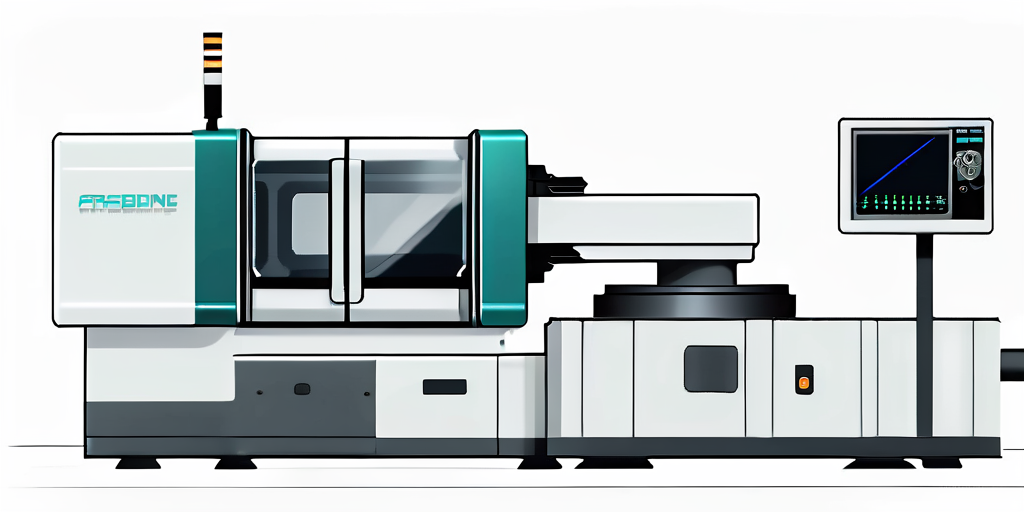
As the demand for plastic products continues to grow, so too will the need for efficient, high-quality manufacturing processes like plastic injection molding. With its versatility, precision, and cost-effectiveness, plastic injection molding is likely to remain a key player in the manufacturing industry for years to come.