

The nozzle is a critical component in the plastic injection molding process, serving as the final gateway through which molten plastic travels before it enters the mold cavity. This article will delve into the intricacies of the nozzle, its role, types, materials used, maintenance, and its impact on the overall plastic injection molding process.
Understanding the function and importance of the nozzle in plastic injection molding is crucial for anyone involved in the manufacturing industry. This knowledge can help in optimizing the molding process, reducing waste, improving product quality, and ultimately, increasing profitability.
Role of the Nozzle in Plastic Injection Molding
The primary role of the nozzle in plastic injection molding is to direct the flow of molten plastic from the injection unit into the mold cavity. The nozzle ensures a seamless transition of the plastic, minimizing the risk of cooling or solidification that could lead to defects in the final product.
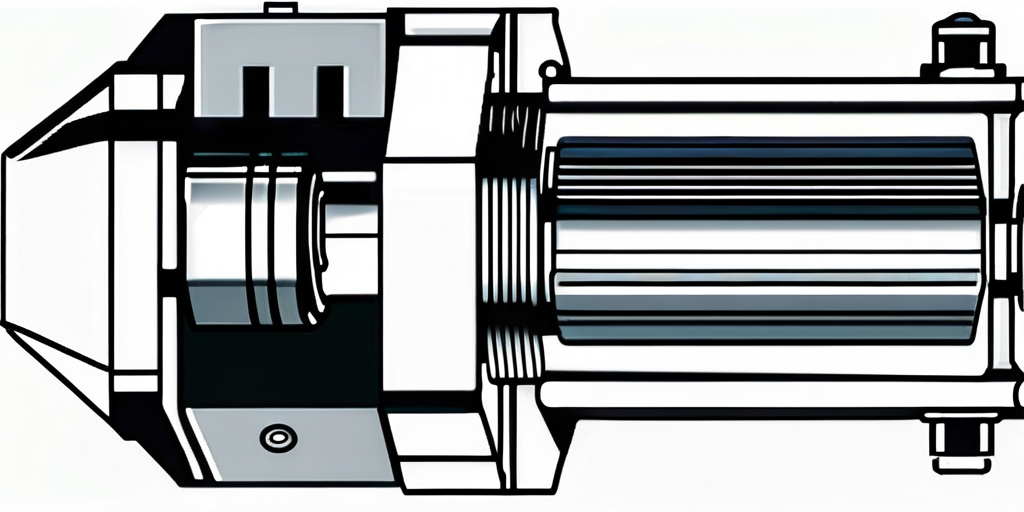
Moreover, the nozzle helps maintain the desired temperature of the plastic, which is crucial for the molding process. It also helps control the pressure at which the plastic is injected, which can directly influence the quality and consistency of the molded parts.
Temperature Control
One of the critical functions of the nozzle is to maintain the temperature of the molten plastic. The plastic needs to remain at a specific temperature to ensure it remains fluid enough to fill the mold cavity completely. The nozzle, often heated, helps maintain this temperature, preventing premature cooling of the plastic.
However, maintaining the right temperature is a delicate balance. If the plastic is too hot, it could degrade, affecting the quality of the final product. On the other hand, if it’s too cool, it may not fill the mold properly, leading to incomplete or defective parts.
Pressure Control
The nozzle also plays a crucial role in controlling the pressure at which the plastic is injected into the mold. The pressure needs to be high enough to ensure the molten plastic fills the entire mold cavity, even the smallest and most intricate parts.
However, excessive pressure can lead to problems such as flash, where excess plastic escapes from the mold cavity, resulting in wasted material and additional trimming work. Therefore, the nozzle must be designed and operated in a way that allows for precise pressure control.
Types of Nozzles in Plastic Injection Molding
There are several types of nozzles used in plastic injection molding, each designed for specific applications and materials. The choice of nozzle can significantly impact the efficiency of the molding process and the quality of the final product.
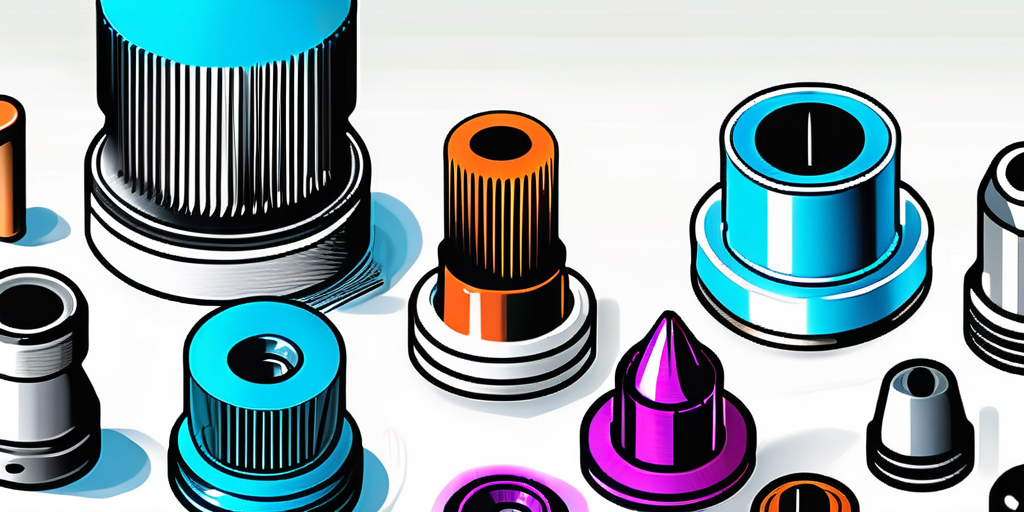
Some of the common types of nozzles include general-purpose nozzles, reverse taper nozzles, free-flow nozzles, and extended nozzles. Each of these nozzles has its unique features, advantages, and limitations, which will be discussed in the following sections.
General-Purpose Nozzles
General-purpose nozzles, as the name suggests, are designed for a wide range of applications. They are typically used when the molding process does not require any specific characteristics from the nozzle. These nozzles have a straightforward design and are relatively easy to maintain.
However, general-purpose nozzles may not be suitable for certain specialized applications, such as when molding highly intricate parts or using specific types of plastic. In such cases, a more specialized nozzle may be required.
Reverse Taper Nozzles
Reverse taper nozzles are designed with a wider opening at the tip, which gradually narrows towards the base. This design helps reduce the pressure required to inject the plastic into the mold, making it easier to fill intricate mold cavities.
However, the design of reverse taper nozzles can make them more prone to wear and tear, requiring more frequent maintenance and replacement. They may also be more susceptible to leakage, especially if not properly maintained.
Materials Used in Nozzle Construction
The material used to construct the nozzle can significantly impact its performance, durability, and maintenance requirements. The choice of material depends on several factors, including the type of plastic being molded, the temperature and pressure requirements, and the complexity of the mold.
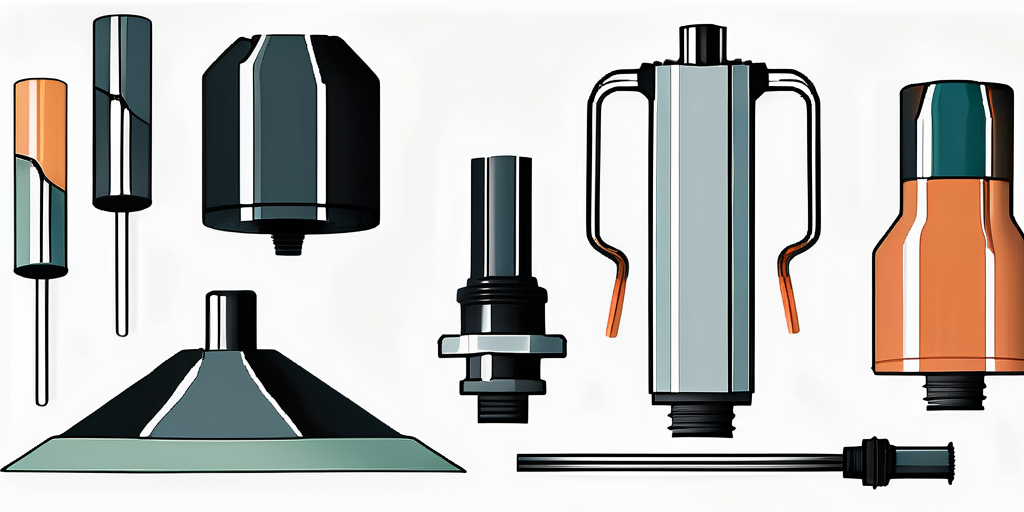
Common materials used in nozzle construction include steel, brass, and aluminum. Each of these materials has its unique properties, making them suitable for different applications.
Steel Nozzles
Steel is a popular material for nozzle construction due to its strength and durability. Steel nozzles can withstand high temperatures and pressures, making them suitable for molding a wide range of plastics.
However, steel nozzles can be prone to rust and corrosion, especially when used with certain types of plastic. Therefore, they may require regular maintenance and replacement to ensure optimal performance.
Brass Nozzles
Brass nozzles are known for their excellent heat conductivity, which helps maintain the temperature of the molten plastic. They are also resistant to corrosion, making them a good choice for use with corrosive plastics.
However, brass nozzles are less durable than steel nozzles and may wear out faster, especially under high pressure. Therefore, they may need to be replaced more frequently.
Maintenance of Nozzles in Plastic Injection Molding
Maintenance is a crucial aspect of nozzle operation in plastic injection molding. Regular maintenance can help ensure the nozzle performs optimally, prolong its lifespan, and prevent issues that could affect the quality of the molded parts.
Common maintenance tasks include cleaning the nozzle to remove any residual plastic, checking for wear and tear, and replacing worn-out parts. The frequency and extent of maintenance depend on several factors, including the type of nozzle, the material it’s made of, and the conditions under which it’s used.
Cleaning
Cleaning is a fundamental part of nozzle maintenance. Over time, residual plastic can build up inside the nozzle, affecting its performance and potentially leading to defects in the molded parts. Therefore, it’s essential to clean the nozzle regularly to remove any buildup.
The cleaning process typically involves disassembling the nozzle and using specialized tools and solvents to remove the residual plastic. It’s crucial to follow the manufacturer’s instructions during this process to avoid damaging the nozzle.
Inspection and Replacement
Regular inspection of the nozzle is crucial to detect any signs of wear and tear early. This can help prevent more serious issues down the line, such as leaks or blockages, which could affect the molding process and the quality of the final product.
If any parts of the nozzle are worn out or damaged, they should be replaced immediately. Using a damaged nozzle can lead to inefficiencies in the molding process and potentially result in defective parts.
Impact of the Nozzle on the Plastic Injection Molding Process
The nozzle plays a crucial role in the plastic injection molding process, and its impact cannot be overstated. From controlling the temperature and pressure of the molten plastic to directing its flow into the mold cavity, the nozzle influences every stage of the molding process.
Furthermore, the choice of nozzle can significantly impact the efficiency of the molding process and the quality of the final product. Therefore, understanding the role, types, and maintenance of nozzles in plastic injection molding is crucial for anyone involved in the manufacturing industry.
Efficiency of the Molding Process
The nozzle can significantly impact the efficiency of the plastic injection molding process. A well-designed and properly maintained nozzle can ensure a smooth and consistent flow of plastic, reducing waste and improving the speed of the molding process.
On the other hand, a poorly maintained or improperly chosen nozzle can lead to issues such as blockages or leaks, slowing down the molding process and potentially leading to defective parts.
Quality of the Final Product
The quality of the final product is directly influenced by the nozzle. A nozzle that maintains the right temperature and pressure can ensure the plastic fills the mold cavity completely and evenly, resulting in high-quality parts.
Conversely, a nozzle that fails to maintain the right conditions can lead to defects in the final product, such as warping, shrinkage, or incomplete filling. Therefore, the choice and maintenance of the nozzle are crucial for ensuring the quality of the molded parts.