

Plastic injection molding is a manufacturing process widely used to produce parts from plastic materials. The process involves injecting molten plastic into a mold, which then cools and solidifies into the final part. The term ‘mold’ in plastic injection molding refers to the hollow form or matrix into which the plastic material is injected and shaped. This article delves into the intricacies of molds in plastic injection molding, explaining their design, types, materials, and more.
The mold is a critical component of the plastic injection molding process. It determines the shape, size, and even the quality of the final product. Understanding the mold’s role, its design, and the materials used to make it is crucial for anyone involved in the manufacturing industry, especially those dealing with plastic injection molding.
Design of Molds in Plastic Injection Molding
The design of a mold is a complex process that requires careful consideration of various factors. It involves creating a 3D model of the part to be produced, which is then used to design the mold. The design process must take into account the type of plastic material to be used, the desired shape and size of the part, and the specific requirements of the injection molding machine.
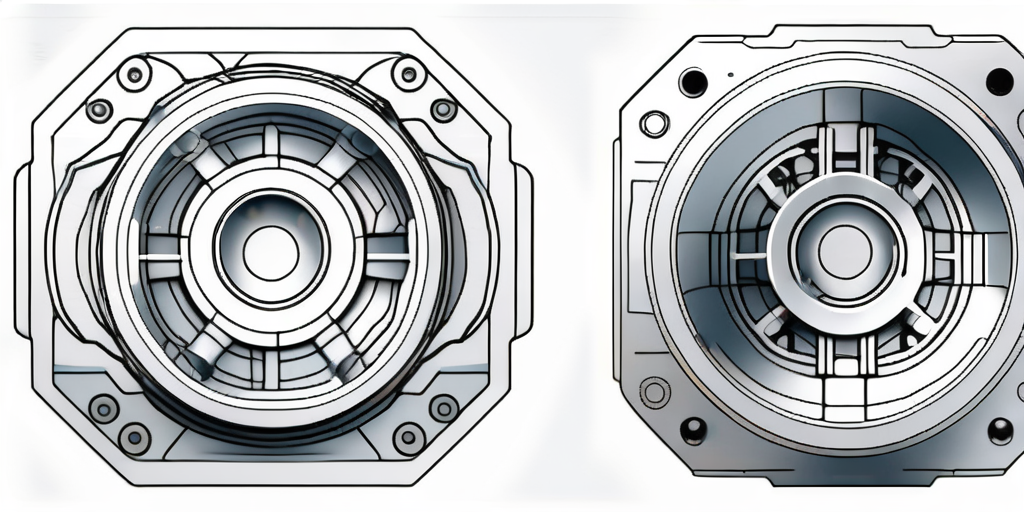
Moreover, the mold design must also consider the cooling system, which plays a crucial role in the molding process. The cooling system helps to solidify the plastic material quickly and uniformly, ensuring the quality of the final product. The design of the cooling system is closely related to the mold material and the design of the mold cavity.
Mold Cavity Design
The mold cavity is the hollow space within the mold where the plastic material is injected and shaped. The design of the mold cavity is critical as it directly affects the shape and size of the final product. The mold cavity must be designed to allow for the smooth flow of the molten plastic, minimizing the risk of defects such as warping or shrinkage.
Furthermore, the mold cavity design must also take into account the shrinkage of the plastic material as it cools and solidifies. This requires a deep understanding of the properties of the plastic material to be used, including its shrinkage rate. The mold cavity design must be adjusted accordingly to compensate for this shrinkage and ensure the accuracy of the final product dimensions.
Cooling System Design
The cooling system in a mold is designed to remove heat from the molten plastic material, helping it to solidify quickly and uniformly. The design of the cooling system is crucial as it affects the cycle time of the molding process and the quality of the final product. A well-designed cooling system can significantly reduce the cycle time, increasing the efficiency of the molding process.
However, designing an effective cooling system is a complex task. It requires a thorough understanding of heat transfer principles and the properties of the plastic material. The cooling system must be designed to ensure uniform cooling throughout the mold, preventing defects such as warping or sink marks in the final product.
Types of Molds in Plastic Injection Molding
There are several types of molds used in plastic injection molding, each suited to different applications and requirements. The choice of mold type depends on factors such as the complexity of the part to be produced, the production volume, and the specific requirements of the molding process.

Some of the most common types of molds include two-plate molds, three-plate molds, and hot runner molds. Each of these mold types has its own advantages and disadvantages, and the choice between them depends on the specific needs of the molding process.
Two-Plate Molds
Two-plate molds are the simplest and most common type of mold used in plastic injection molding. They consist of two main parts: the injection half (or cavity half) and the ejector half (or core half). The plastic material is injected into the cavity through a gate located at the parting line between the two halves of the mold.
Two-plate molds are relatively easy to design and manufacture, making them a cost-effective choice for many applications. However, they may not be suitable for producing complex parts with multiple cavities or intricate features.
Three-Plate Molds
Three-plate molds are more complex than two-plate molds and are used to produce parts with multiple cavities or intricate features. They consist of three main parts: the injection half, the floating half, and the ejector half. The plastic material is injected into the cavities through gates located on the floating half of the mold.
Three-plate molds offer greater flexibility in gate location and part design, making them suitable for producing complex parts. However, they are more difficult to design and manufacture, and their cycle times are typically longer than those of two-plate molds.
Hot Runner Molds
Hot runner molds are a type of mold that uses a heated runner system to keep the plastic material in a molten state until it reaches the cavities. This eliminates the need for runners, reducing material waste and improving the efficiency of the molding process.
Hot runner molds are particularly useful for high-volume production runs, as they can significantly reduce cycle times and material costs. However, they are more expensive to design and manufacture, and they require precise temperature control to prevent defects in the final product.
Materials Used in Mold Making
The choice of material for a mold is a critical decision that affects the performance and lifespan of the mold. The mold material must be able to withstand the high pressures and temperatures involved in the molding process, and it must also be resistant to wear and corrosion.
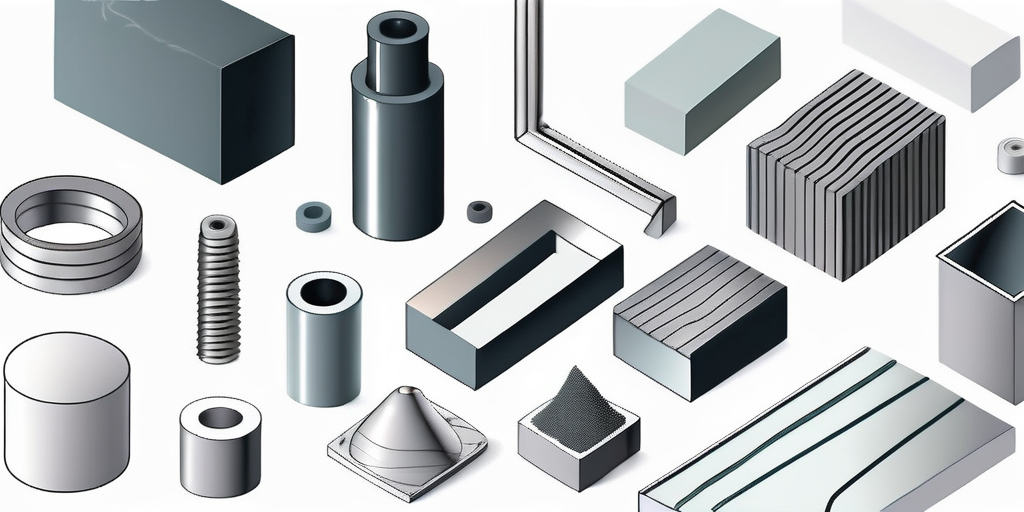
Some of the most commonly used materials for molds include steel, aluminum, and beryllium-copper alloy. Each of these materials has its own advantages and disadvantages, and the choice between them depends on factors such as the production volume, the complexity of the part to be produced, and the specific requirements of the molding process.
Steel Molds
Steel is the most commonly used material for molds in plastic injection molding. It offers excellent durability and wear resistance, making it suitable for high-volume production runs. Steel molds can produce a high-quality surface finish on the final product, and they can be used to produce complex parts with intricate features.
However, steel molds are relatively expensive to manufacture, and they require regular maintenance to prevent rust and corrosion. They also have a longer cycle time compared to other mold materials, due to their high thermal conductivity.
Aluminum Molds
Aluminum is another commonly used material for molds in plastic injection molding. It is lighter and more thermally conductive than steel, resulting in shorter cycle times. Aluminum molds are also easier to machine, reducing the manufacturing cost and lead time.
However, aluminum molds are less durable than steel molds, and they may not be suitable for high-volume production runs. They also require a protective coating to prevent oxidation and corrosion.
Beryllium-Copper Alloy Molds
Beryllium-copper alloy is a high-performance material used for molds in plastic injection molding. It offers excellent thermal conductivity, helping to reduce cycle times. Beryllium-copper alloy molds are also highly durable and resistant to wear, making them suitable for high-volume production runs.
However, beryllium-copper alloy molds are expensive to manufacture, and they require special handling due to the health risks associated with beryllium. They are typically used for specific applications where their performance benefits outweigh their higher cost.
Conclusion
The mold is a critical component of the plastic injection molding process, determining the shape, size, and quality of the final product. Understanding the intricacies of molds, including their design, types, and materials, is crucial for anyone involved in the manufacturing industry, especially those dealing with plastic injection molding.
This article has provided a comprehensive overview of molds in plastic injection molding, delving into their design process, the different types of molds, and the materials used to make them. It is hoped that this information will be useful to both newcomers and seasoned professionals in the field of plastic injection molding.