

The hopper is a fundamental component in the plastic injection molding process. It serves as the entry point for the raw plastic material, often in the form of granules or pellets, which are then heated and molded into the desired shape. The hopper is a critical piece of equipment in the injection molding process, as it is responsible for feeding the correct amount of material into the machine at the right time.
Understanding the function and importance of the hopper in plastic injection molding is crucial for anyone involved in the manufacturing of plastic products. This glossary entry will delve into the intricacies of the hopper, its role in the plastic injection molding process, and its impact on the quality and efficiency of the final product.
Function of the Hopper
The primary function of the hopper in plastic injection molding is to hold and feed the raw plastic material into the machine. The plastic material, usually in pellet form, is poured into the hopper, which then feeds the material into the barrel of the injection molding machine. The rate at which the material is fed into the machine can be controlled, allowing for precise control over the amount of material used in each cycle.
Another important function of the hopper is to help maintain a consistent flow of material into the machine. This is crucial for ensuring that the final product is of consistent quality. If the flow of material is not consistent, it can result in defects in the final product, such as warping or shrinkage.
Control Mechanisms
The hopper is equipped with control mechanisms that allow for precise control over the flow of material into the machine. These controls can be adjusted to increase or decrease the rate at which the material is fed into the machine, allowing for precise control over the amount of material used in each cycle.
These control mechanisms are typically automated, meaning they can be programmed to adjust the flow rate based on the specific requirements of the product being manufactured. This allows for a high degree of precision and consistency in the manufacturing process.
Material Flow
The hopper is designed to ensure a consistent flow of material into the machine. This is achieved through the use of a conical or angled design, which helps to funnel the material down into the machine. This design also helps to prevent the material from clumping or sticking together, which can cause blockages and disrupt the flow of material.
The consistency of the material flow is crucial for ensuring the quality of the final product. If the flow of material is not consistent, it can result in defects in the final product, such as warping or shrinkage.
Types of Hoppers
There are several different types of hoppers used in plastic injection molding, each with its own unique features and benefits. The type of hopper used can depend on a variety of factors, including the type of material being used, the size of the machine, and the specific requirements of the product being manufactured.
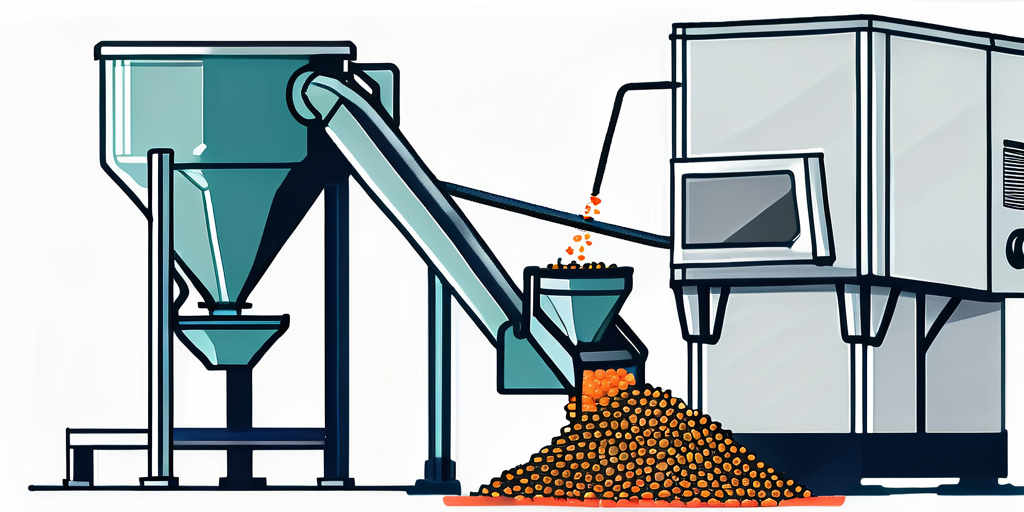
Some of the most common types of hoppers include gravity hoppers, screw hoppers, and vacuum hoppers. Each of these types of hoppers has its own unique features and benefits, which will be discussed in more detail in the following sections.
Gravity Hoppers
Gravity hoppers are the simplest type of hopper and are often used in smaller injection molding machines. As the name suggests, these hoppers rely on gravity to feed the material into the machine. The material is simply poured into the hopper and then falls into the machine as it is needed.
While gravity hoppers are simple and inexpensive, they do not offer as much control over the flow of material as other types of hoppers. This can make them less suitable for applications that require a high degree of precision or consistency.
Screw Hoppers
Screw hoppers use a rotating screw to feed the material into the machine. This allows for a more controlled and consistent flow of material, making screw hoppers more suitable for applications that require a high degree of precision and consistency.
In addition to providing a more consistent flow of material, screw hoppers also offer the advantage of being able to handle a wider range of materials. This includes materials that are more difficult to feed into the machine, such as powders or fibrous materials.
Vacuum Hoppers
Vacuum hoppers use a vacuum to draw the material into the machine. This allows for a high degree of control over the flow of material, making vacuum hoppers suitable for applications that require a high degree of precision and consistency.
Vacuum hoppers also offer the advantage of being able to handle a wide range of materials, including powders and fibrous materials. Additionally, vacuum hoppers can be used to feed material into the machine from a remote location, making them ideal for applications where space is limited.
Materials Used in Hoppers
The materials used to construct the hopper can have a significant impact on its performance and durability. The most common materials used in the construction of hoppers include stainless steel, aluminum, and plastic.
Stainless steel is often used for its durability and resistance to corrosion. Aluminum is lighter and less expensive than stainless steel, but it is also less durable and more prone to corrosion. Plastic hoppers are lightweight and inexpensive, but they may not be as durable or resistant to wear and tear as metal hoppers.
Stainless Steel Hoppers
Stainless steel hoppers are highly durable and resistant to corrosion, making them ideal for use in harsh or corrosive environments. They are also resistant to wear and tear, making them a good choice for applications that require a high degree of durability.
While stainless steel hoppers are more expensive than other types of hoppers, they can be a cost-effective choice in the long run due to their durability and longevity. They are also easy to clean and maintain, which can help to reduce downtime and increase productivity.
Aluminum Hoppers
Aluminum hoppers are lighter and less expensive than stainless steel hoppers, making them a popular choice for smaller machines or applications where weight is a concern. However, they are not as durable or resistant to corrosion as stainless steel hoppers, which can limit their lifespan and performance.
Despite these limitations, aluminum hoppers can be a good choice for applications that do not require a high degree of durability or resistance to corrosion. They are also easy to clean and maintain, which can help to reduce downtime and increase productivity.
Plastic Hoppers
Plastic hoppers are lightweight and inexpensive, making them a popular choice for smaller machines or applications where cost is a concern. However, they are not as durable or resistant to wear and tear as metal hoppers, which can limit their lifespan and performance.
Despite these limitations, plastic hoppers can be a good choice for applications that do not require a high degree of durability or resistance to wear and tear. They are also easy to clean and maintain, which can help to reduce downtime and increase productivity.
Importance of Hopper Maintenance
Maintaining the hopper in good condition is crucial for ensuring the efficiency and quality of the injection molding process. Regular maintenance can help to prevent problems such as blockages or inconsistent flow of material, which can lead to defects in the final product.

Maintenance tasks can include cleaning the hopper to remove any residual material, checking for signs of wear and tear, and adjusting the control mechanisms to ensure they are functioning correctly. Regular maintenance can help to extend the lifespan of the hopper and improve the overall efficiency of the injection molding process.
Cleaning the Hopper
Cleaning the hopper regularly is crucial for preventing blockages and ensuring a consistent flow of material. This can involve removing any residual material from the hopper, as well as cleaning the interior surfaces to remove any buildup of material.
There are several methods that can be used to clean the hopper, including manual cleaning, using a cleaning solution, or using a hopper cleaning machine. The best method will depend on the type of material being used, the size of the hopper, and the specific requirements of the application.
Checking for Wear and Tear
Regularly checking the hopper for signs of wear and tear can help to identify any potential problems before they become serious. This can include checking for signs of corrosion, checking the condition of the control mechanisms, and checking for any signs of damage or wear to the interior surfaces of the hopper.
If any signs of wear and tear are identified, it is important to address them as soon as possible to prevent further damage. This can involve repairing or replacing the affected parts, or in some cases, replacing the entire hopper.
Adjusting the Control Mechanisms
Adjusting the control mechanisms on the hopper can help to ensure a consistent flow of material and improve the overall efficiency of the injection molding process. This can involve adjusting the flow rate, adjusting the feed rate, or adjusting the temperature controls.
It is important to regularly check and adjust these controls to ensure they are functioning correctly. If the controls are not functioning correctly, it can result in inconsistent flow of material, which can lead to defects in the final product.
Conclusion
The hopper is a critical component in the plastic injection molding process. It serves as the entry point for the raw plastic material, and its design and function play a crucial role in ensuring a consistent and efficient molding process. Understanding the function and importance of the hopper, as well as how to maintain it properly, can help to ensure the quality and efficiency of the injection molding process.
Whether you are a manufacturer, a technician, or simply someone interested in the plastic injection molding process, understanding the role of the hopper can provide valuable insight into the intricacies of this complex process. By understanding the importance of the hopper, you can ensure that your injection molding process is as efficient and effective as possible.