

In the world of plastic injection molding, the term ‘gate’ holds significant importance. It is a critical component of the molding process, acting as the entry point through which molten plastic is introduced into the mold cavity. The gate’s design, size, and location can significantly impact the quality of the final product.
The gate serves a dual purpose. Firstly, it directs the flow of the molten plastic into the mold cavity, ensuring an even distribution of material. Secondly, it also helps in controlling the speed at which the plastic enters the mold. This control is crucial in preventing defects such as warping, shrinkage, and other deformities that can occur due to rapid cooling or uneven filling.
Types of Gates
There are several types of gates used in plastic injection molding, each with its own set of advantages and disadvantages. The choice of gate type depends on various factors such as the type of plastic material, the design and complexity of the part, and the specific requirements of the molding process.
The main types of gates include edge gates, tab gates, submarine gates, and fan gates, among others. Each of these gate types has a unique design and is used in different scenarios, depending on the specific needs of the molding process.
Edge Gates
Edge gates are the most common type of gate used in plastic injection molding. They are typically placed on the edge of the part and allow for easy flow of plastic into the mold. Edge gates are simple to design and implement, making them a popular choice for many molding applications.
However, edge gates can lead to issues such as gate blush or jetting if not properly designed and controlled. Gate blush is a cosmetic defect that occurs when the molten plastic cools too quickly, while jetting refers to the turbulent flow of plastic that can lead to defects in the final part.
Tab Gates
Tab gates, also known as tunnel gates, are another common type of gate used in plastic injection molding. They are typically used when the gate needs to be hidden for aesthetic reasons or to prevent interference with the part’s function.
Tab gates are designed to break away from the part after the molding process, leaving a small mark on the part. This makes them ideal for applications where the appearance of the part is important. However, tab gates can be more difficult to design and implement than edge gates, and they may not be suitable for all types of plastic materials.
Gate Design Considerations
The design of the gate is a critical aspect of the plastic injection molding process. It can significantly impact the quality of the final part, as well as the efficiency and cost-effectiveness of the molding process.
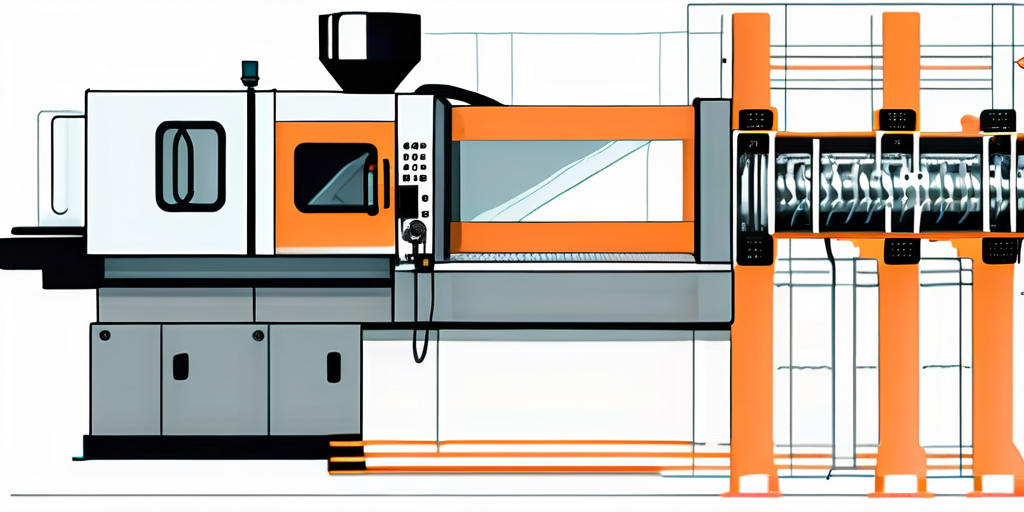
Several factors need to be considered when designing a gate. These include the type of plastic material, the size and complexity of the part, the molding machine’s capabilities, and the specific requirements of the molding process.
Material Type
The type of plastic material being used can greatly influence the design of the gate. Different materials have different flow rates and cooling rates, which need to be taken into account when designing the gate.
For example, materials with a high flow rate may require a smaller gate to control the flow of plastic into the mold. On the other hand, materials with a slow cooling rate may require a larger gate to ensure that the plastic fills the mold before it begins to solidify.
Part Size and Complexity
The size and complexity of the part also play a significant role in gate design. Larger parts may require multiple gates to ensure even distribution of plastic throughout the mold. Similarly, complex parts with intricate features may require specially designed gates to ensure that the plastic reaches all areas of the mold.
Additionally, the location of the gate must be carefully considered to minimize the impact on the part’s appearance and function. For example, the gate should be placed in an area that is not visible or does not interfere with the part’s function.
Gate Removal and Post-Molding Processes
Once the plastic part has been molded and cooled, the gate must be removed. This is typically done using a process called degating, which involves cutting or breaking the gate away from the part.
Depending on the type of gate used and the specific requirements of the part, degating can be done manually or automatically. Manual degating involves using tools such as cutters or pliers to remove the gate, while automatic degating involves using specialized machinery to remove the gate during the ejection process.
Manual Degating
Manual degating is a labor-intensive process that requires skilled workers to remove the gate without damaging the part. This method is typically used for small production runs or for parts that require a high level of precision.
However, manual degating can be time-consuming and costly, especially for large production runs. It also carries the risk of human error, which can lead to defects in the final part.
Automatic Degating
Automatic degating is a more efficient and cost-effective method of gate removal. It involves using specialized machinery to remove the gate during the ejection process, eliminating the need for manual labor.
Automatic degating is ideal for large production runs and for parts that do not require a high level of precision. However, it requires a higher initial investment in machinery and equipment, and it may not be suitable for all types of parts and materials.
Conclusion
In conclusion, the gate is a critical component of the plastic injection molding process. Its design, size, and location can significantly impact the quality of the final product, as well as the efficiency and cost-effectiveness of the molding process.

By understanding the different types of gates and the factors that influence gate design, manufacturers can make informed decisions that lead to high-quality, cost-effective plastic parts.