

Plastic injection molding is a manufacturing process widely used to produce parts from plastic materials. In this process, molten plastic is injected into a mold, which is then cooled and opened to release the finished part. The core, a key component in this process, is a term that refers to the section of the mold that shapes the interior of the molded part. This article provides an in-depth explanation of the core in plastic injection molding, its functions, types, materials used, and more.
The core is a critical part of the mold that directly influences the quality, shape, and structure of the molded part. It is often made of hardened steel, although other materials can also be used depending on the requirements of the part being produced. The design and manufacture of the core require precision and expertise, as any defects in the core can lead to defects in the molded part.
Function of the Core
The primary function of the core in plastic injection molding is to shape the interior of the molded part. When the molten plastic is injected into the mold, it fills the space between the core and the cavity, taking on the shape of the mold. Once the plastic cools and solidifies, the mold is opened and the part is ejected, with its interior shape determined by the core.
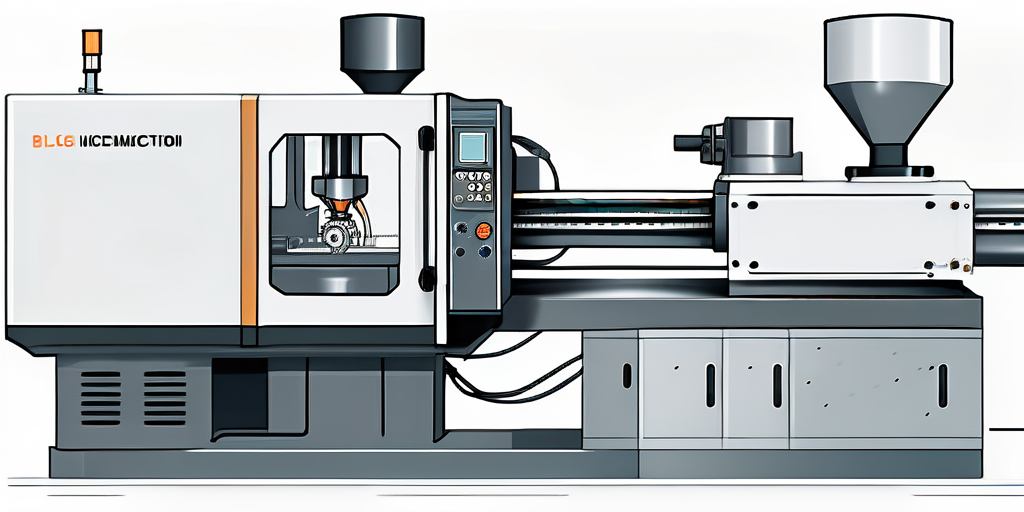
Aside from shaping the interior of the part, the core also plays a role in cooling the molded part. Cores often have cooling channels through which coolant is circulated to speed up the cooling and solidification of the plastic. This not only reduces the cycle time of the molding process but also improves the quality of the molded part by minimizing warping and shrinkage.
Core Design
The design of the core is a critical aspect of the plastic injection molding process. The core must be designed to accurately represent the interior shape of the part being produced. This requires a thorough understanding of the part’s design and function, as well as the properties of the plastic material being used.
Core design also involves considerations of how the molten plastic will flow into and around the core, and how the part will be ejected from the mold. The core must be designed to facilitate even filling of the mold and easy ejection of the part, without causing defects such as warping, shrinkage, or deformation.
Core Manufacturing
The manufacturing of the core is a precise and meticulous process. The core is typically machined from a block of hardened steel using CNC (Computer Numerical Control) machines. The machining process must be carefully controlled to ensure that the core accurately represents the interior shape of the part being produced.
After machining, the core is often heat-treated to increase its hardness and durability. The core may also be coated with a release agent to facilitate the ejection of the part from the mold. The quality of the core directly influences the quality of the molded part, making the manufacturing of the core a critical aspect of the plastic injection molding process.
Types of Cores
There are several types of cores used in plastic injection molding, each with its own advantages and applications. The type of core used depends on the complexity of the part being produced, the properties of the plastic material, and the requirements of the molding process.
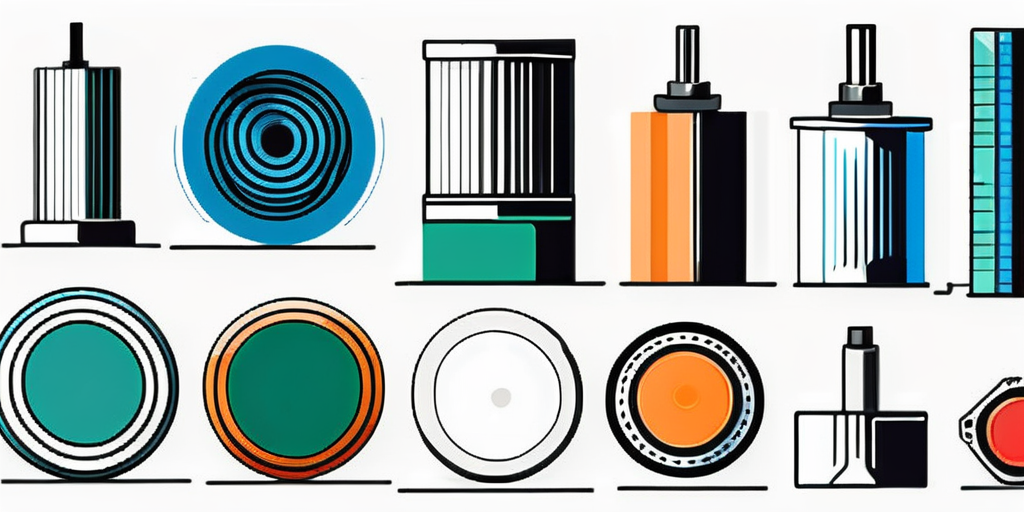
Some common types of cores include fixed cores, movable cores, and collapsible cores. Fixed cores are the simplest type, used for parts with simple interior shapes. Movable cores are used for parts with complex interior shapes that cannot be molded using a fixed core. Collapsible cores are used for parts with undercuts or negative drafts, which would be difficult or impossible to mold using a fixed or movable core.
Fixed Cores
Fixed cores are the most common type of core used in plastic injection molding. They are typically made of hardened steel and are permanently attached to the mold base. Fixed cores are used for parts with simple interior shapes that can be easily ejected from the mold.
Fixed cores are relatively easy to manufacture and maintain, making them a cost-effective option for many applications. However, they are not suitable for parts with complex interior shapes or undercuts, as these would prevent the part from being ejected from the mold.
Movable Cores
Movable cores, also known as core pulls or side cores, are used for parts with complex interior shapes that cannot be molded using a fixed core. Movable cores are attached to the mold base but can be moved or retracted to allow the part to be ejected from the mold.
Movable cores are more complex and expensive to manufacture than fixed cores, but they allow for the production of parts with complex interior shapes and undercuts. The use of movable cores requires a more complex molding machine with additional controls for moving the cores.
Collapsible Cores
Collapsible cores are a special type of core used for parts with undercuts or negative drafts, which would be difficult or impossible to mold using a fixed or movable core. Collapsible cores are designed to collapse or retract into themselves, allowing the part to be ejected from the mold.
Collapsible cores are complex and expensive to manufacture, but they allow for the production of parts with complex interior shapes that would not be possible with other types of cores. The use of collapsible cores requires a specialized molding machine with additional controls for collapsing and expanding the cores.
Materials Used for Cores
The material used for the core in plastic injection molding must be durable enough to withstand the high pressures and temperatures of the molding process, and precise enough to accurately represent the interior shape of the part being produced. The most common material used for cores is hardened steel, but other materials may also be used depending on the requirements of the part and the molding process.
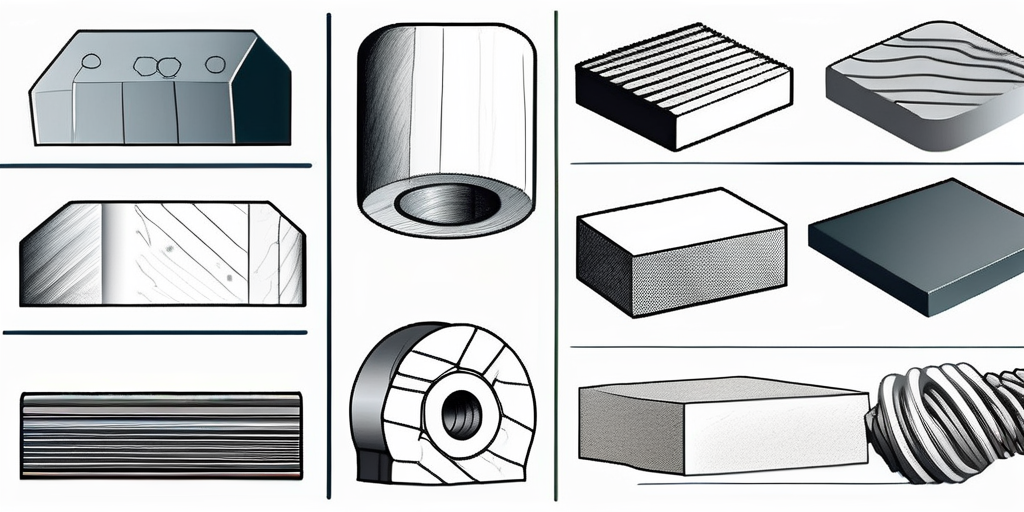
Hardened steel is the most common material used for cores due to its durability and precision. Steel cores can withstand the high pressures and temperatures of the molding process, and can be machined to a high degree of precision. However, steel cores are expensive and time-consuming to manufacture, and may not be suitable for all applications.
Aluminum Cores
Aluminum is sometimes used for cores in plastic injection molding. Aluminum cores are lighter and easier to machine than steel cores, making them a cost-effective option for certain applications. However, aluminum cores are less durable than steel cores and may not be suitable for high-volume or high-pressure molding applications.
Aluminum cores are often used for prototype molds or low-volume production runs, where the cost and time savings outweigh the reduced durability. Aluminum cores can also be used for molding plastic parts with low melting temperatures, where the reduced thermal conductivity of aluminum compared to steel is not a disadvantage.
Brass and Copper Cores
Brass and copper are occasionally used for cores in plastic injection molding. Brass and copper cores have higher thermal conductivity than steel or aluminum cores, allowing for faster cooling and solidification of the plastic part. However, brass and copper cores are less durable than steel cores and may not be suitable for high-volume or high-pressure molding applications.
Brass and copper cores are often used for molding plastic parts with high melting temperatures, where the increased thermal conductivity can help to reduce cycle times. Brass and copper cores can also be used for molding parts with complex interior shapes, where the softer material allows for easier machining of the core.
Conclusion
The core is a critical component in the plastic injection molding process, shaping the interior of the molded part and influencing its quality and performance. The design and manufacture of the core require precision and expertise, and the choice of core type and material can have a significant impact on the efficiency and effectiveness of the molding process.
Understanding the role and importance of the core in plastic injection molding can help manufacturers and designers make informed decisions about the design and production of plastic parts. With the right core design and material, it is possible to produce high-quality plastic parts efficiently and cost-effectively.