

The clamping unit is a fundamental component of plastic injection molding machines, responsible for holding the two halves of the mold together during the injection process. This glossary entry provides a comprehensive overview of the clamping unit, its role in the injection molding process, and the different types of clamping units available.
Understanding the clamping unit’s function and operation is essential for anyone involved in the plastic injection molding industry. This knowledge can help optimize the molding process, improve product quality, and increase operational efficiency.
Role of the Clamping Unit in Plastic Injection Molding
The clamping unit’s primary role is to hold the mold halves together under pressure during the injection and cooling stages of the molding process. This pressure prevents the molten plastic from escaping, ensuring that the final product has the correct shape and dimensions.

Additionally, the clamping unit opens and closes the mold between cycles, allowing the finished product to be ejected and a new cycle to begin. The speed and efficiency of this operation can significantly impact the overall production rate.
Pressure Application
The clamping unit applies pressure to the mold to counteract the injection pressure of the molten plastic. If the clamping force is insufficient, the mold may open slightly, causing flash (excess material) to form on the product. This pressure must be carefully controlled to prevent damage to the mold or machine.
Moreover, the clamping unit must maintain this pressure throughout the cooling stage to ensure that the product solidifies correctly. Any variation in pressure during this stage can lead to defects such as warping or shrinkage.
Mold Opening and Closing
The clamping unit is responsible for opening and closing the mold between cycles. This operation must be performed quickly and smoothly to minimize cycle time and maximize production rate. However, it must also be done gently to prevent damage to the mold or product.
Once the product has solidified, the clamping unit opens the mold and ejects the product. The mold is then closed, and the next cycle begins. The speed and efficiency of this operation can significantly impact the overall production rate.
Types of Clamping Units
There are several types of clamping units used in plastic injection molding, each with its own advantages and disadvantages. The choice of clamping unit depends on factors such as the type of product being produced, the material used, and the production volume.
Hydraulic, mechanical, and electric clamping units are the most common types. Each of these types uses a different mechanism to apply and maintain pressure on the mold.
Hydraulic Clamping Units
Hydraulic clamping units use hydraulic pressure to apply force to the mold. These units are known for their high clamping force and are typically used for large, high-pressure molding applications. However, they are less energy-efficient than other types and require regular maintenance to prevent leaks and other issues.
Despite these drawbacks, hydraulic clamping units are widely used due to their versatility and ability to handle a wide range of mold sizes and shapes. They also offer excellent precision, allowing for tight control over the clamping force and mold opening and closing speed.
Mechanical Clamping Units
Mechanical clamping units use a mechanical linkage to apply force to the mold. These units are typically simpler and more robust than hydraulic units, making them less prone to breakdowns and easier to maintain. However, they may not provide the same level of precision or versatility.
One of the main advantages of mechanical clamping units is their energy efficiency. Because they do not rely on hydraulic pressure, they consume less energy, making them a more environmentally friendly option. They are also typically quieter than hydraulic units, which can be a significant advantage in certain environments.
Electric Clamping Units
Electric clamping units use electric motors to apply force to the mold. These units are known for their precision and repeatability, making them ideal for applications that require tight control over the molding process. They are also more energy-efficient than hydraulic units and quieter than both hydraulic and mechanical units.
However, electric clamping units are typically more expensive than other types and may not be suitable for high-pressure applications. They also require a reliable power supply and may be more susceptible to electrical disturbances.
Factors Influencing the Choice of Clamping Unit
Several factors influence the choice of clamping unit for a particular application. These include the type of product being produced, the material used, the production volume, and the available resources.
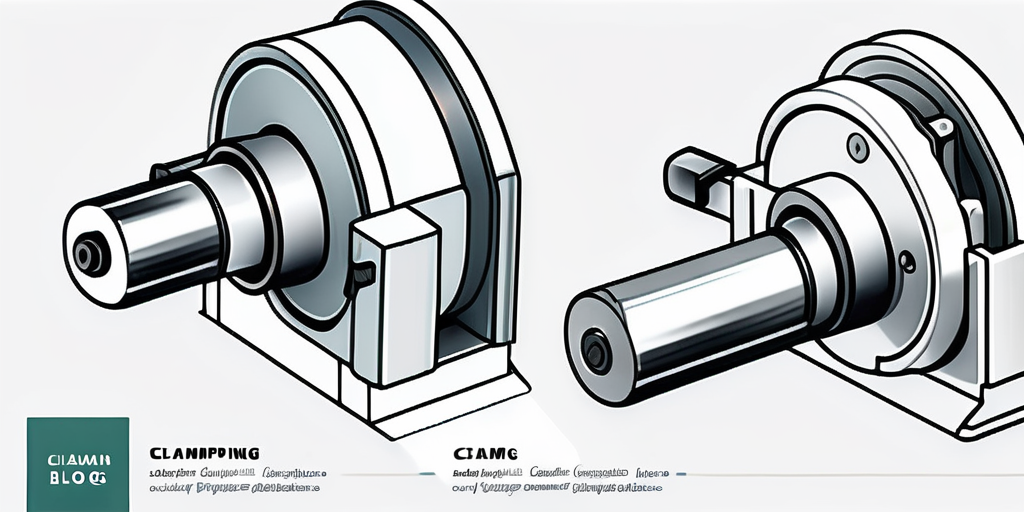
For example, if precision and repeatability are critical, an electric clamping unit may be the best choice. On the other hand, if high clamping force is required, a hydraulic unit may be more suitable. The choice also depends on factors such as energy efficiency, noise levels, and maintenance requirements.
Type of Product
The type of product being produced can significantly influence the choice of clamping unit. For example, products with complex shapes or tight dimensional tolerances may require a clamping unit that offers high precision and repeatability, such as an electric unit.
Similarly, large products or those made from high-viscosity materials may require a clamping unit with high clamping force, such as a hydraulic unit. The product’s design and material properties must be carefully considered when choosing a clamping unit.
Material Used
The material used in the molding process can also influence the choice of clamping unit. Different materials have different flow and cooling characteristics, which can affect the required clamping force and the precision of the molding process.
For example, materials with high viscosity or slow cooling rates may require a clamping unit with high clamping force and precise control over the molding process. The material’s properties must be thoroughly understood to choose the most suitable clamping unit.
Production Volume
The production volume is another important factor in choosing a clamping unit. High-volume production may require a clamping unit that can operate quickly and efficiently, minimizing cycle time and maximizing production rate.
On the other hand, low-volume or custom production may benefit from a clamping unit that offers high precision and flexibility, allowing for quick changes between different products or molds. The production volume and the required production rate must be considered when choosing a clamping unit.
Conclusion
The clamping unit is a critical component of the plastic injection molding process. It holds the mold halves together under pressure, preventing the molten plastic from escaping and ensuring that the final product has the correct shape and dimensions.

There are several types of clamping units, each with its own advantages and disadvantages. The choice of clamping unit depends on factors such as the type of product being produced, the material used, and the production volume. Understanding these factors and how they influence the clamping unit’s operation can help optimize the molding process and improve product quality.