

The term ‘cavity’ in the context of plastic injection molding refers to the hollow space within the mold where the plastic material is injected and shaped to form the desired part. The design and construction of the cavity are critical to the quality and functionality of the final product. This article will delve into the intricacies of the cavity in plastic injection molding, its design considerations, types, and the role it plays in the overall molding process.
Understanding the concept of the cavity is fundamental to grasping the mechanics of plastic injection molding. The cavity is not just a hollow space; it is a meticulously designed and precision-engineered component that directly impacts the quality, consistency, and efficiency of the molding process. From the material selection to the cooling system integration, every aspect of the cavity design is crucial to the success of the molding operation.
Design Considerations for Cavity
Designing the cavity for plastic injection molding is a complex task that requires a deep understanding of the material properties, molding process, and the desired characteristics of the final product. The design must take into account factors such as the material’s flow behavior, shrinkage rate, cooling rate, and the part’s geometry and dimensional tolerances.
Moreover, the cavity design must also consider the mold’s ability to withstand the high pressures involved in the injection molding process. This involves selecting the appropriate mold material and ensuring the mold’s structural integrity. The design must also incorporate a suitable ejection system to facilitate the removal of the molded part without causing damage or deformation.
Material Flow and Shrinkage
The flow behavior of the plastic material within the cavity is a critical factor in the design process. The cavity must be designed in such a way that the material fills the cavity completely and evenly, without causing any defects such as short shots or weld lines. The design must also account for the material’s shrinkage rate, which can affect the dimensional accuracy of the molded part.
Shrinkage is the reduction in size of the plastic part as it cools and solidifies within the mold. Different plastic materials have different shrinkage rates, and the cavity design must compensate for this shrinkage to ensure the final part meets the specified dimensional tolerances. This often involves designing the cavity slightly larger than the desired part size.
Part Geometry and Dimensional Tolerances
The geometry of the part to be molded also plays a significant role in the cavity design. Complex part geometries may require special design considerations to ensure the material fills all areas of the cavity evenly and completely. This may involve the use of multiple gates to direct the flow of material, or the use of flow aids such as ribs and bosses.
Dimensional tolerances are the allowable variations in the dimensions of the molded part. The cavity design must ensure that these tolerances are met consistently across all parts produced. This involves careful control of the molding conditions and the design of the cavity to compensate for factors such as material shrinkage and warpage.
Types of Cavities
There are various types of cavities used in plastic injection molding, each with its own unique characteristics and applications. The choice of cavity type depends on factors such as the complexity of the part geometry, the production volume, and the material properties.
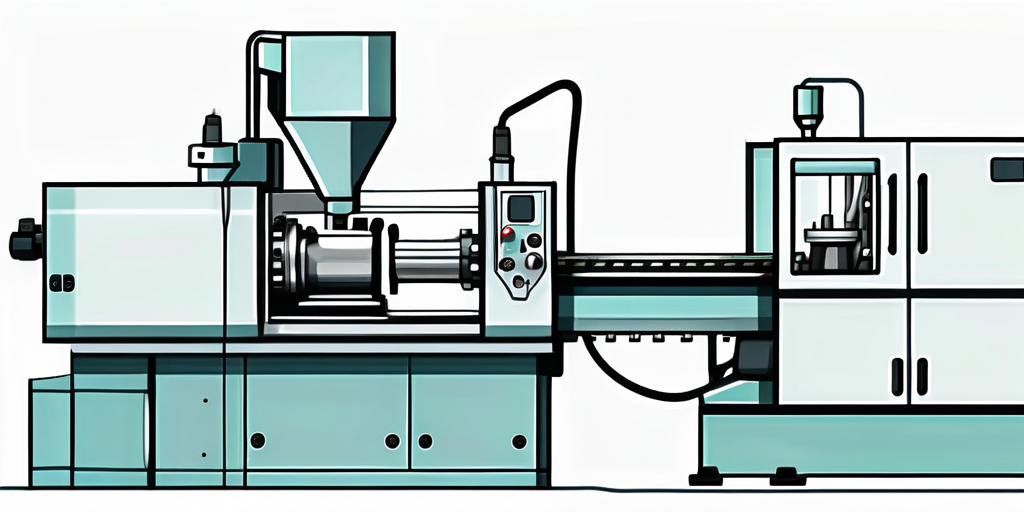
Single-cavity molds have one cavity and produce one part per cycle. Multi-cavity molds have multiple cavities that produce multiple identical parts per cycle. Family molds have multiple cavities that produce different parts of an assembly in a single cycle. Each of these cavity types has its own advantages and challenges, and the choice depends on the specific requirements of the molding project.
Single-Cavity Molds
Single-cavity molds are the simplest type of mold and are typically used for low-volume production or for molding large parts. The main advantage of single-cavity molds is their simplicity and lower cost compared to multi-cavity molds. However, they have a lower production rate since they can only produce one part per cycle.
Designing the cavity for a single-cavity mold is relatively straightforward, as there is only one part to consider. However, the design must still take into account all the factors discussed earlier, such as material flow, shrinkage, part geometry, and dimensional tolerances.
Multi-Cavity Molds
Multi-cavity molds are used for high-volume production of identical parts. They have multiple cavities that are identical in shape and size, allowing for the simultaneous production of multiple parts in a single cycle. This increases the production rate and reduces the cost per part, making multi-cavity molds a cost-effective solution for high-volume production.
However, designing the cavities for a multi-cavity mold is more complex than for a single-cavity mold. The cavities must be identical in every respect to ensure the consistency of the parts produced. This requires precise control over the molding conditions and meticulous attention to the design and construction of the cavities.
Role of Cavity in the Molding Process
The cavity plays a central role in the plastic injection molding process. It is where the plastic material is injected, shaped, cooled, and solidified to form the final part. The design and construction of the cavity directly impact the quality and consistency of the molded parts, as well as the efficiency of the molding process.
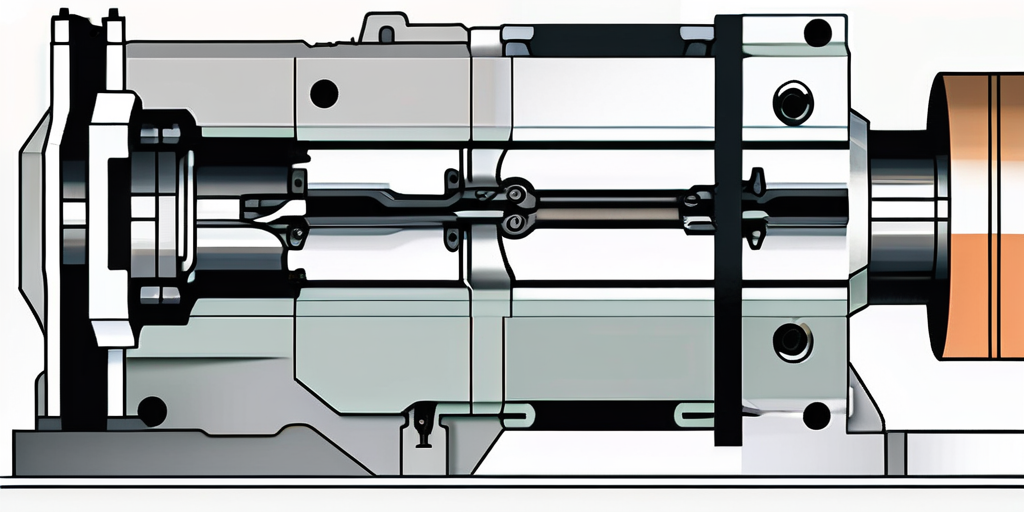
The cavity is also integral to the ejection of the molded part. The design of the cavity must facilitate the smooth and efficient ejection of the part, without causing damage or deformation. This involves the design of the ejection system, as well as considerations for the shrinkage and warpage of the part.
Injection and Shaping
The injection of the plastic material into the cavity is the first step in the molding process. The material is heated to a molten state and then injected into the cavity under high pressure. The design of the cavity must ensure that the material fills the cavity completely and evenly, without causing any defects.
The shaping of the part occurs as the material fills the cavity. The shape of the cavity determines the shape of the part, and any details or features on the part are formed by corresponding features in the cavity. This requires precise control over the design and construction of the cavity to ensure the accuracy and consistency of the part shape.
Cooling and Solidification
The cooling and solidification of the plastic material within the cavity is a critical stage in the molding process. The design of the cavity must facilitate the efficient cooling of the material to ensure the part solidifies properly and maintains its shape. This involves the integration of a cooling system into the mold, as well as considerations for the material’s shrinkage and warpage.
The solidification of the material occurs as it cools within the cavity. The rate of cooling and the uniformity of the temperature distribution within the cavity can affect the quality and consistency of the molded part. This requires careful design and control of the cooling system, as well as consideration of the material’s thermal properties.
Conclusion
The concept of the cavity in plastic injection molding is a complex and multifaceted one, involving a range of considerations from material properties to part geometry. The design and construction of the cavity are critical to the quality and functionality of the final product, and require a deep understanding of the molding process and the specific requirements of the project.

Whether it’s a single-cavity mold for a low-volume production or a multi-cavity mold for a high-volume production, the role of the cavity remains central to the molding process. From the injection and shaping of the material to its cooling and solidification, every stage of the process is influenced by the design and construction of the cavity. It is therefore essential to give due consideration to the cavity in any plastic injection molding project.