

The Bridge Tool is a critical component in the process of plastic injection molding. This tool, often overlooked, plays a significant role in the creation of complex plastic parts and components. Understanding its function, design, and application can greatly enhance the efficiency and quality of the injection molding process.
Plastic injection molding is a manufacturing process used to produce parts in large volume. It is most commonly used in mass-production processes where the same part is being created thousands or even millions of times in succession. The primary advantage of injection molding is the ability to scale production en masse, while ensuring each part is of consistent quality.
Understanding the Bridge Tool
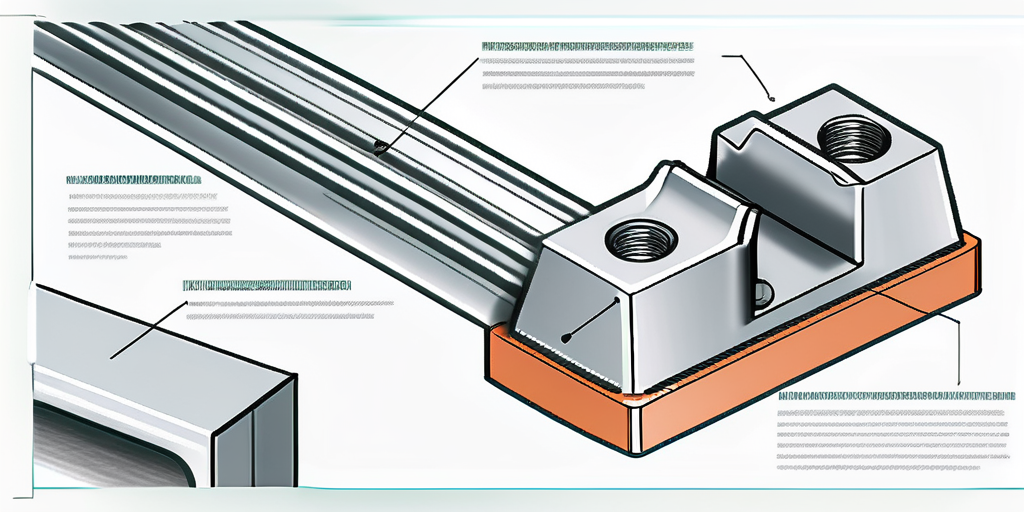
The Bridge Tool is a specialized tool used in the plastic injection molding process. It is designed to create a bridge or connection between two or more parts of a mold. This is particularly useful in the creation of complex parts that require intricate details or multiple components.

The Bridge Tool is typically made from hardened steel or aluminum, and its design can vary depending on the specific requirements of the mold. The tool’s primary function is to ensure that the plastic material flows evenly and consistently throughout the mold, reducing the risk of defects and ensuring a high-quality finish.
Design of the Bridge Tool
The design of the Bridge Tool is critical to its function. The tool must be designed to fit perfectly within the mold, ensuring that the plastic material flows evenly and consistently. This requires precise measurements and careful consideration of the mold’s design.
The Bridge Tool is typically designed with a series of channels or pathways that guide the plastic material through the mold. These channels must be carefully designed to ensure that the material flows smoothly and evenly, reducing the risk of defects and ensuring a high-quality finish.
Application of the Bridge Tool
The Bridge Tool is applied during the injection molding process. Once the mold is prepared and the plastic material is ready, the Bridge Tool is inserted into the mold. The plastic material is then injected into the mold, flowing through the channels created by the Bridge Tool.
The Bridge Tool ensures that the plastic material is evenly distributed throughout the mold, reducing the risk of defects and ensuring a high-quality finish. Once the plastic material has cooled and hardened, the Bridge Tool is removed, leaving behind a perfectly formed plastic part.
Role of the Bridge Tool in Plastic Injection Molding
The Bridge Tool plays a critical role in the plastic injection molding process. Its primary function is to ensure that the plastic material flows evenly and consistently throughout the mold. This is particularly important in the creation of complex parts that require intricate details or multiple components.
Without the Bridge Tool, the plastic material may not flow evenly, leading to defects and inconsistencies in the final product. The Bridge Tool ensures that each part is of consistent quality, regardless of the complexity of the design or the volume of production.
Quality Control
The Bridge Tool plays a significant role in quality control in plastic injection molding. By ensuring that the plastic material flows evenly and consistently, the Bridge Tool reduces the risk of defects and inconsistencies. This leads to a higher quality final product and reduces the need for costly and time-consuming rework.
Quality control is a critical aspect of plastic injection molding. The ability to produce parts of consistent quality, regardless of the volume of production, is a key advantage of this manufacturing process. The Bridge Tool plays a crucial role in achieving this consistency.
Efficiency and Productivity
The Bridge Tool also contributes to the efficiency and productivity of the plastic injection molding process. By ensuring that the plastic material flows evenly and consistently, the Bridge Tool reduces the risk of defects and inconsistencies. This leads to a faster production process and a higher yield of quality parts.
Efficiency and productivity are key considerations in any manufacturing process. The ability to produce high-quality parts quickly and efficiently is a major advantage of plastic injection molding, and the Bridge Tool plays a crucial role in achieving this.
Challenges and Solutions in Using the Bridge Tool
While the Bridge Tool is a critical component in the plastic injection molding process, its use can present certain challenges. These challenges can include issues with the design of the tool, difficulties in application, and problems with the flow of the plastic material.
However, these challenges can be overcome with careful planning, precise measurements, and regular maintenance of the tool. By understanding the potential challenges and how to address them, manufacturers can ensure that they are using the Bridge Tool to its full potential.
Design Challenges
One of the main challenges in using the Bridge Tool is ensuring that it is designed correctly. The tool must fit perfectly within the mold and the channels must be designed to ensure a smooth and even flow of the plastic material. Any errors in the design can lead to defects and inconsistencies in the final product.
To overcome this challenge, it is important to take precise measurements and to carefully consider the design of the mold. Using computer-aided design (CAD) software can also help to ensure that the tool is designed correctly.
Application Challenges
Another challenge in using the Bridge Tool is ensuring that it is applied correctly. The tool must be inserted into the mold in the correct position and at the correct angle to ensure a smooth and even flow of the plastic material. Any errors in application can lead to defects and inconsistencies in the final product.
To overcome this challenge, it is important to carefully follow the manufacturer’s instructions and to regularly check the position and angle of the tool. Using automated machinery can also help to ensure that the tool is applied correctly.
Maintenance and Care of the Bridge Tool
Proper maintenance and care of the Bridge Tool is critical to its performance and longevity. Regular cleaning and inspection of the tool can help to prevent issues and ensure that it continues to function effectively.
It is important to clean the Bridge Tool after each use to remove any residual plastic material. This can help to prevent buildup and ensure that the channels remain clear. Regular inspection of the tool can also help to identify any signs of wear or damage, allowing for timely repairs or replacement.
Cleaning the Bridge Tool
Cleaning the Bridge Tool involves removing any residual plastic material from the channels. This can be done using a specialized cleaning solution and a soft brush. It is important to clean the tool thoroughly, ensuring that all areas are reached and that no residue is left behind.
After cleaning, the tool should be dried thoroughly to prevent rust and corrosion. It is also important to store the tool in a clean, dry place to protect it from damage and contamination.
Inspecting the Bridge Tool
Regular inspection of the Bridge Tool is important to identify any signs of wear or damage. This can include checking for any cracks or chips in the tool, as well as checking the channels for any signs of blockage or buildup.
If any issues are identified during the inspection, it is important to address them promptly. This may involve repairing or replacing the tool, depending on the severity of the issue. Regular maintenance and inspection can help to extend the lifespan of the tool and ensure that it continues to function effectively.
Conclusion
The Bridge Tool is a critical component in the plastic injection molding process. Its role in ensuring a smooth and even flow of the plastic material is crucial to the quality and consistency of the final product. By understanding the function, design, and application of the Bridge Tool, manufacturers can enhance the efficiency and quality of their injection molding process.
While the use of the Bridge Tool can present certain challenges, these can be overcome with careful planning, precise measurements, and regular maintenance. By addressing these challenges and taking care of the tool, manufacturers can ensure that they are using the Bridge Tool to its full potential, leading to a more efficient and productive plastic injection molding process.