

The barrel in plastic injection molding is a critical component that plays a significant role in the overall process. It is a cylindrical container where the plastic material is heated and mixed before it is injected into the mold. The barrel’s design and functionality are integral to the efficiency and quality of the molding process.
The barrel’s primary function is to facilitate the heating of the plastic material to its melting point, and to ensure the material is evenly mixed before it is injected into the mold. The barrel works in conjunction with other components such as the screw, heater bands, and thermocouples to achieve this.
Design and Construction of the Barrel
The design and construction of the barrel in plastic injection molding machines are crucial for the machine’s performance. Barrels are typically cylindrical and are made from wear-resistant materials such as tool steel or bimetallic liners. This is to withstand the high pressures, temperatures, and abrasive nature of the plastic materials being processed.
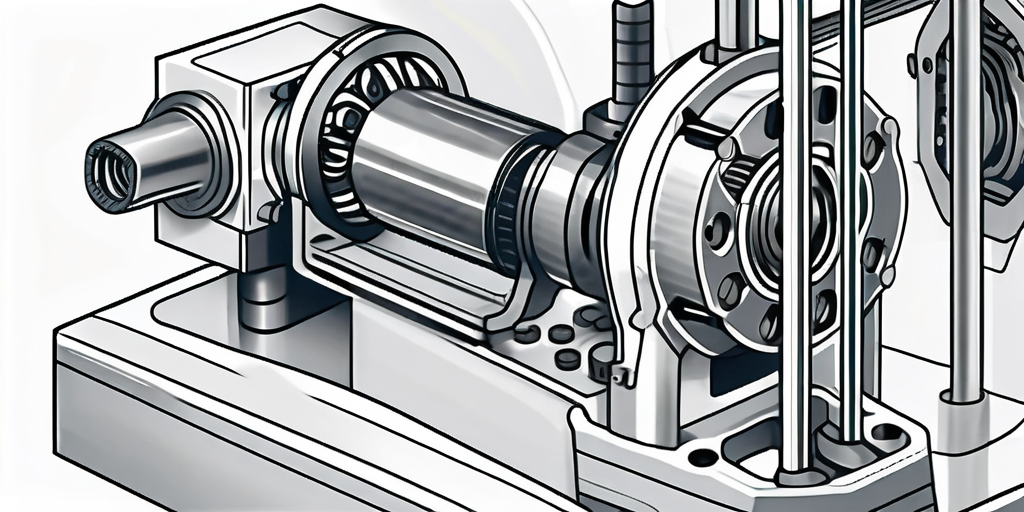
The interior of the barrel is often lined with a harder material to resist wear. This lining is usually a bimetallic layer that provides a hard, wear-resistant surface while maintaining the toughness and strength of the underlying material. The barrel’s length is typically designed to be about 20 times its diameter to provide sufficient residence time for the plastic material to melt and mix properly.
Barrel Temperature Control
Temperature control is a critical aspect of the barrel’s design. The barrel is equipped with heater bands and cooling lines to maintain the appropriate temperature for the plastic material. Heater bands are wrapped around the barrel to provide the heat necessary to melt the plastic, while cooling lines circulate water or oil to prevent overheating.
Thermocouples are also installed in the barrel to monitor the temperature. These devices provide feedback to the machine’s control system, which adjusts the heater bands and cooling lines to maintain the desired temperature. This precise temperature control is crucial for the quality of the molded parts and the efficiency of the process.
Barrel Wear and Maintenance
Barrel wear is a common issue in plastic injection molding. The abrasive nature of the plastic materials, combined with the high pressures and temperatures, can cause the barrel’s interior surface to wear over time. This wear can lead to a decrease in the quality of the molded parts and a reduction in the efficiency of the process.
Regular maintenance and inspection of the barrel are necessary to prevent excessive wear. This includes checking the barrel for signs of wear, such as scoring or pitting, and measuring the barrel’s interior diameter to detect any changes. If excessive wear is detected, the barrel may need to be replaced or relined with a new bimetallic layer.
Function of the Barrel in the Injection Molding Process
The barrel plays a central role in the plastic injection molding process. It is here that the plastic material is heated, mixed, and prepared for injection into the mold. The barrel works in conjunction with the screw, which rotates and moves the plastic material through the barrel.
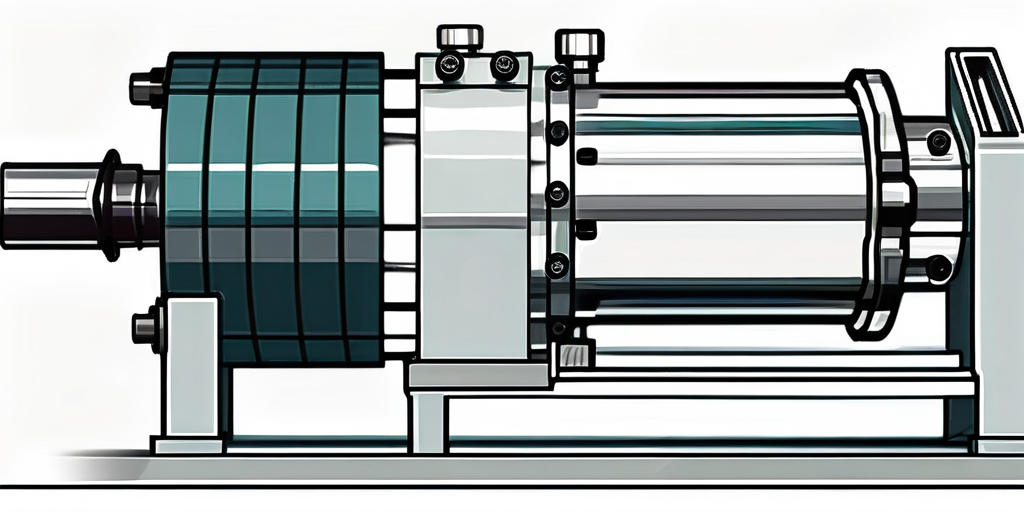
The plastic material enters the barrel in the form of granules or pellets. As the screw rotates, the material is pushed forward in the barrel. The friction between the material and the barrel, combined with the heat from the heater bands, causes the material to melt. The screw also mixes the melted material to ensure a uniform temperature and consistency.
Feeding Zone
The first section of the barrel, known as the feeding zone, is where the plastic material is introduced into the barrel. The material is fed into the barrel through a hopper located at the rear of the machine. The screw’s rotation moves the material forward in the barrel.
The feeding zone is typically kept at a lower temperature than the rest of the barrel. This is to prevent the material from melting prematurely, which could cause it to stick to the barrel and impede the feeding process. The temperature in the feeding zone is usually set to be close to the plastic material’s glass transition temperature, which is the temperature at which it begins to soften.
Compression Zone
The second section of the barrel, known as the compression zone, is where the plastic material begins to melt. The screw’s design in this zone compresses the material, increasing the pressure and temperature. The heat from the heater bands also contributes to the melting of the material.
The compression zone is critical for achieving a uniform melt. The screw’s rotation mixes the melted material, ensuring a consistent temperature and viscosity. This is important for the quality of the molded parts, as variations in the melt can lead to defects such as warping or sink marks.
Metering Zone
The final section of the barrel, known as the metering zone, is where the melted plastic material is prepared for injection into the mold. The screw continues to mix the material in this zone, ensuring a uniform melt. The material is also pressurized in preparation for injection.
The metering zone is typically kept at the highest temperature of all the barrel zones. This is to ensure the material is fully melted and at the right viscosity for injection. The precise temperature required depends on the specific plastic material being used.
Impact of the Barrel on the Quality of Molded Parts
The barrel’s design and operation have a significant impact on the quality of the molded parts produced by the plastic injection molding process. The barrel’s ability to provide a uniform, well-mixed melt is crucial for the quality of the parts.

If the barrel is not able to maintain the appropriate temperature, or if the material is not properly mixed, this can lead to defects in the molded parts. These defects can include warping, sink marks, and short shots, where the mold is not completely filled. The barrel’s wear can also affect the quality of the parts, as it can lead to changes in the barrel’s interior diameter, which can affect the pressure and temperature of the melt.
Barrel and Material Compatibility
The compatibility of the barrel with the plastic material being processed is also important for the quality of the molded parts. Different materials have different melting points, viscosities, and abrasive properties, which can affect how they interact with the barrel.
For example, some materials, such as glass-filled plastics, are highly abrasive and can cause rapid wear of the barrel. Other materials, such as PVC, can degrade at high temperatures and release corrosive gases, which can damage the barrel. Therefore, it is important to select a barrel that is compatible with the material being processed.
Barrel and Machine Settings
The settings of the plastic injection molding machine, including the barrel temperature, screw speed, and back pressure, can also affect the quality of the molded parts. These settings need to be optimized for the specific material and part design being used.
For example, if the barrel temperature is set too high, this can cause the material to degrade, leading to defects in the parts. On the other hand, if the temperature is set too low, the material may not fully melt, leading to short shots. Similarly, if the screw speed is set too high, this can cause excessive shear heat, which can degrade the material. Therefore, it is important to carefully control the machine settings to ensure the quality of the molded parts.
Conclusion
In conclusion, the barrel is a critical component in the plastic injection molding process. Its design and operation play a significant role in the efficiency of the process and the quality of the molded parts. Proper understanding and control of the barrel are therefore essential for successful plastic injection molding.
From its construction and temperature control to its role in feeding, compressing, and metering the plastic material, the barrel’s importance cannot be overstated. Its impact on the quality of the molded parts, through factors such as material compatibility and machine settings, further underscores its significance. As such, the barrel truly is at the heart of the plastic injection molding process.