

The term ‘thermoplastic’ refers to a category of polymers that can be melted and reshaped multiple times without losing their structural integrity. These materials are widely used in the plastic injection molding process, a manufacturing technique that involves injecting molten plastic into a mold to create a variety of products.
Plastic injection molding is a versatile and efficient method for mass-producing plastic parts with complex shapes and sizes. The process is highly automated, which allows for high production rates and consistent quality. This article will delve into the intricacies of thermoplastics and their application in plastic injection molding.
Understanding Thermoplastics
Thermoplastics are a type of polymer that become pliable or moldable at a certain elevated temperature and solidify upon cooling. This characteristic is due to the polymer’s molecular structure, which consists of long chains of polymers that slide past each other when heated, allowing the material to be reshaped.
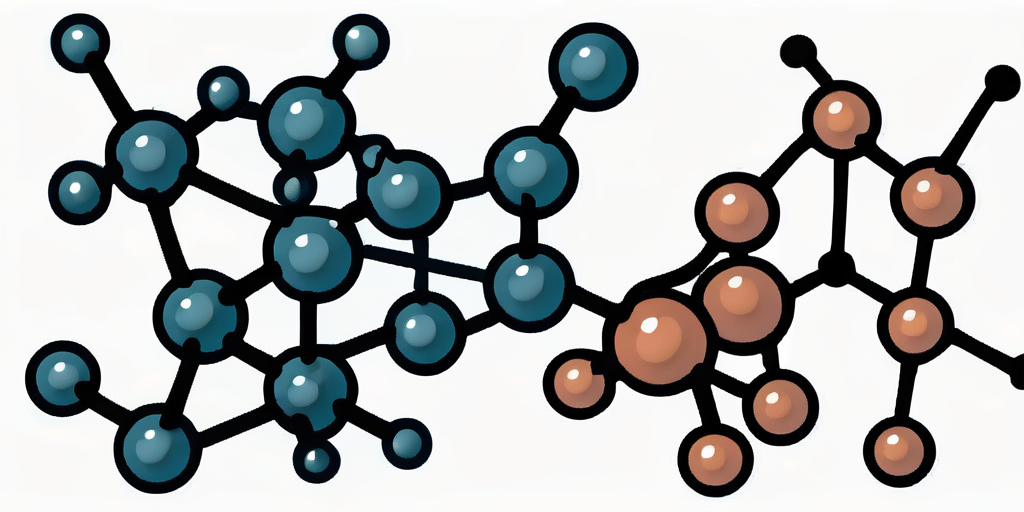
The ability of thermoplastics to be repeatedly melted and reshaped without degrading their material properties makes them ideal for recycling. This is a significant advantage over thermosetting plastics, which cannot be melted and reshaped once they have been molded.
Types of Thermoplastics
There are many types of thermoplastics, each with its unique properties and applications. Some of the most commonly used thermoplastics in plastic injection molding include Polyethylene (PE), Polypropylene (PP), Polyvinyl Chloride (PVC), Polystyrene (PS), and Polyethylene Terephthalate (PET).
These materials vary in terms of their strength, flexibility, transparency, resistance to heat and chemicals, and other properties. Therefore, the choice of thermoplastic depends on the specific requirements of the product to be manufactured.
Properties of Thermoplastics
Thermoplastics exhibit a wide range of physical and chemical properties, which can be modified through the addition of additives or by altering the polymer’s molecular structure. Some of the key properties of thermoplastics include high strength, low weight, good toughness, excellent thermal and electrical insulation properties, and resistance to chemicals and weathering.
These properties make thermoplastics suitable for a wide range of applications, from packaging materials and household goods to automotive parts and medical devices.
Plastic Injection Molding Process
Plastic injection molding is a manufacturing process that involves injecting molten plastic into a mold to create a part or product. The process begins with the melting of the plastic material in a heating chamber. The molten plastic is then injected into the mold under high pressure. Once the plastic has cooled and solidified, the mold is opened, and the part is ejected.
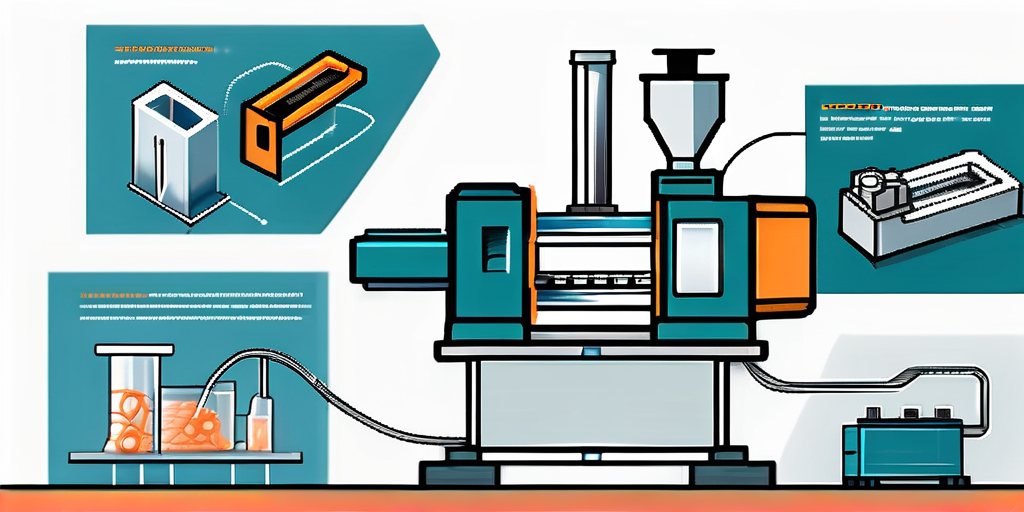
This process is highly automated and can produce parts with complex shapes and sizes. It is also highly efficient, with short cycle times and high production rates.
Steps in the Plastic Injection Molding Process
The plastic injection molding process consists of several steps, including material preparation, melting, injection, cooling, and ejection. Each of these steps plays a crucial role in ensuring the quality and consistency of the final product.
Material preparation involves drying the plastic granules and feeding them into the injection molding machine. The plastic is then heated to its melting point and injected into the mold. The cooling process allows the plastic to solidify in the shape of the mold. Finally, the mold is opened, and the part is ejected.
Advantages of Plastic Injection Molding
Plastic injection molding offers several advantages over other manufacturing processes. These include high production rates, consistent quality, the ability to produce complex shapes, and low labor costs. Additionally, the process allows for the use of a wide range of materials, including various types of thermoplastics.
Another significant advantage of plastic injection molding is its efficiency. The process has a short cycle time, which means that it can produce a large number of parts in a short amount of time. This makes it an ideal choice for mass production.
Thermoplastics in Plastic Injection Molding
Thermoplastics are widely used in plastic injection molding due to their versatility and unique properties. These materials can be easily melted and reshaped, which makes them ideal for this manufacturing process. Additionally, thermoplastics can be recycled, which contributes to the sustainability of the process.
The choice of thermoplastic depends on the specific requirements of the product to be manufactured. Factors to consider include the material’s strength, flexibility, transparency, resistance to heat and chemicals, and cost.
Commonly Used Thermoplastics in Plastic Injection Molding
Some of the most commonly used thermoplastics in plastic injection molding include Polyethylene (PE), Polypropylene (PP), Polyvinyl Chloride (PVC), Polystyrene (PS), and Polyethylene Terephthalate (PET). These materials are chosen for their specific properties, such as strength, flexibility, and resistance to heat and chemicals.
For example, PE is known for its toughness and flexibility, making it ideal for products such as plastic bags and containers. PP, on the other hand, has excellent chemical resistance and is commonly used in automotive parts and medical devices.
Considerations When Using Thermoplastics in Plastic Injection Molding
When using thermoplastics in plastic injection molding, several factors need to be considered. These include the material’s melting point, flow rate, cooling rate, and shrinkage. These factors can significantly affect the quality and consistency of the final product.
For example, a material with a high melting point may require a higher injection pressure, which can increase the risk of defects. Similarly, a material with a high shrinkage rate may result in dimensional inaccuracies in the final product. Therefore, it is crucial to understand the properties of the thermoplastic and adjust the molding process accordingly.
Conclusion
Thermoplastics play a crucial role in plastic injection molding, a manufacturing process that is widely used to produce a variety of products. These materials offer several advantages, including the ability to be melted and reshaped multiple times without losing their structural integrity. This makes them ideal for recycling and contributes to the sustainability of the process.
Understanding the properties of thermoplastics and how they interact with the injection molding process is crucial for producing high-quality, consistent products. With the right choice of material and process parameters, plastic injection molding can offer a highly efficient and versatile solution for mass production.