

In the world of manufacturing, plastic injection molding is a technique that has revolutionized the production of complex plastic parts. One of the critical components of this process is the ejection pin. This article aims to provide a comprehensive understanding of ejection pins within the context of plastic injection molding.
Ejection pins play a vital role in the plastic injection molding process. They are used to eject the finished part from the mold after it has cooled. Without these pins, the removal of the product would be difficult, if not impossible, leading to damage to the product or the mold. This article will delve into the intricacies of ejection pins, their types, functions, materials used, and much more.
Understanding Plastic Injection Molding
Before we delve into the specifics of ejection pins, it’s essential to understand the broader context in which they operate – plastic injection molding. This process is a popular method for manufacturing plastic parts due to its efficiency and ability to produce high volumes of complex, high-quality parts.
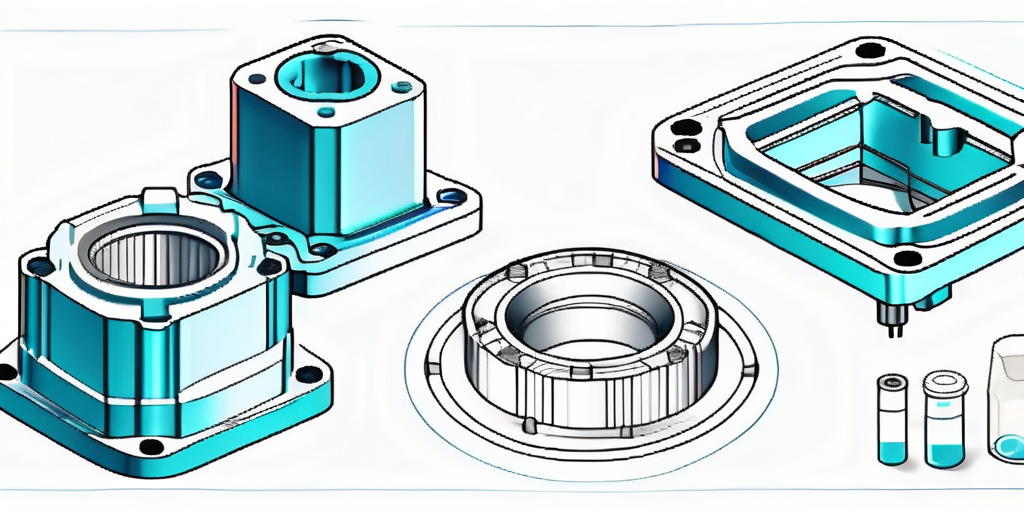
Plastic injection molding involves injecting molten plastic into a mold (or ‘mould’ in British English) under high pressure. Once the plastic has cooled and solidified, the mold is opened, and the part is ejected using ejection pins. This process is widely used in various industries, including automotive, medical, consumer goods, and more.
The Process of Plastic Injection Molding
The plastic injection molding process can be broken down into a few key stages. First, plastic granules are heated until they become a molten liquid. This molten plastic is then injected into a mold cavity under high pressure. The mold is a reverse image of the desired part, and so the molten plastic takes on the shape of this cavity as it cools and solidifies.
Once the plastic has cooled sufficiently, the mold is opened. This is where ejection pins come into play. These pins push the finished part out of the mold. The process is then ready to begin again, making it an efficient method for mass-producing plastic parts.
Advantages and Disadvantages of Plastic Injection Molding
Plastic injection molding offers several advantages. It allows for high-volume production and complex shapes that would be difficult to achieve with other manufacturing methods. The process also provides excellent dimensional accuracy and requires minimal post-production work. However, it’s not without its disadvantages. The initial cost of creating the mold can be high, and the process is not suitable for short-run productions due to these upfront costs.
Furthermore, the design and manufacture of the mold require a high level of expertise. Any errors in the mold design can lead to defects in the finished product, which can be costly to rectify. Despite these challenges, plastic injection molding remains a popular choice for many manufacturers due to its numerous benefits.
Role of Ejection Pins in Plastic Injection Molding
Now that we have a basic understanding of the plastic injection molding process, we can delve into the specifics of ejection pins. As mentioned earlier, ejection pins are used to eject the finished part from the mold once it has cooled. This is a critical step in the process, as improper ejection can lead to damage to the part or the mold.

Ejection pins are typically cylindrical and are fitted into the ejector half of the mold. When the mold opens, the ejector plate pushes the pins, which in turn push the part out of the mold. The number and placement of these pins are carefully calculated during the mold design phase to ensure even ejection and prevent deformation of the part.
Types of Ejection Pins
There are several types of ejection pins used in plastic injection molding, each with its unique characteristics and uses. The most common types are straight ejection pins, which have a uniform diameter along their length, and stepped ejection pins, which have a smaller diameter at the tip. The type of pin used depends on the specific requirements of the part being produced.
For instance, straight ejection pins are typically used when the part has a flat surface, while stepped ejection pins are used for parts with uneven or angled surfaces. Other types of ejection pins include blade pins, sleeve pins, and core pins, each used for specific applications within the molding process.
Materials Used for Ejection Pins
The materials used for ejection pins must be durable and able to withstand the high pressures and temperatures involved in the injection molding process. Most ejection pins are made from hardened steel, which provides the necessary strength and durability. However, other materials, such as aluminum or brass, may be used for specific applications.
For instance, aluminum pins may be used when molding softer plastics, while brass pins are often used when a smoother finish is required. The choice of material can significantly impact the quality of the finished part and the lifespan of the mold, making it a critical consideration in the mold design process.
Ejection Pin Maintenance and Troubleshooting
Ejection pins, like all components of the injection molding process, require regular maintenance to ensure they continue to function correctly. This maintenance typically involves cleaning the pins and the surrounding areas to remove any plastic residue that may have accumulated. In addition, the pins should be regularly inspected for signs of wear or damage, and replaced if necessary.

Failure to properly maintain ejection pins can lead to a variety of problems, including sticking or jamming of the pins, which can result in damage to the part or the mold. Therefore, regular maintenance is essential to ensure the smooth operation of the injection molding process.
Common Ejection Pin Problems
Despite best efforts, problems with ejection pins can still occur. One common issue is pin breakage, which can occur if the pins are subjected to excessive force or if they are made from a material that is not strong enough to withstand the pressures of the injection molding process. Other common problems include pin bending, which can occur if the pins are not properly aligned, and pin sticking, which can occur if the pins become clogged with plastic residue.
Each of these problems can lead to defects in the finished part, such as warping, deformation, or surface blemishes. Therefore, it’s crucial to quickly identify and address any issues with the ejection pins to prevent these defects from occurring.
Solving Ejection Pin Problems
When problems with ejection pins occur, there are several steps that can be taken to resolve them. If a pin is broken or bent, it will need to be replaced. If a pin is sticking, it may need to be cleaned or lubricated to ensure it can move freely. In some cases, the problem may be with the mold design itself, in which case a more significant intervention may be required.
For instance, if the pins are not properly aligned with the part, the mold may need to be modified to correct this. Alternatively, if the pins are not strong enough to eject the part, a different material may need to be used for the pins. In all cases, the goal is to ensure the ejection pins can perform their function effectively, ensuring the quality of the finished part and the efficiency of the molding process.
Conclusion
In conclusion, ejection pins play a critical role in the plastic injection molding process. They are responsible for ejecting the finished part from the mold, a task that requires precision and durability. The type, placement, and material of the ejection pins can significantly impact the quality of the finished part and the efficiency of the molding process, making them a critical consideration in mold design.
Like all components of the injection molding process, ejection pins require regular maintenance and may occasionally encounter problems. However, with proper care and troubleshooting, these issues can be quickly resolved, ensuring the continued smooth operation of the molding process. In the complex world of plastic injection molding, the humble ejection pin is a small but vital component that deserves our attention and understanding.